Portuguese
  Spanish


3D printing is gaining ground in civil construction, bringing innovation and efficiency to large projects. Now, this technology will be applied to the construction of the world’s first 3D-printed railway station, allowing the structure to be completed in just six hours.
Japan is about to make history by building the world’s first 3D-printed railway station in just six hours.
The structure will be erected during the early hours of March 25, in the short interval between the last train of the night and the first one the following morning.
The chosen location is Hatsushima Station, on the Kisei Line, in Arita, Wakayama Prefecture.
-
Brazil’s Minas Gerais Government Signs Agreement for Ring Road to Divert Heavy Trucks Away from Urban Center

-
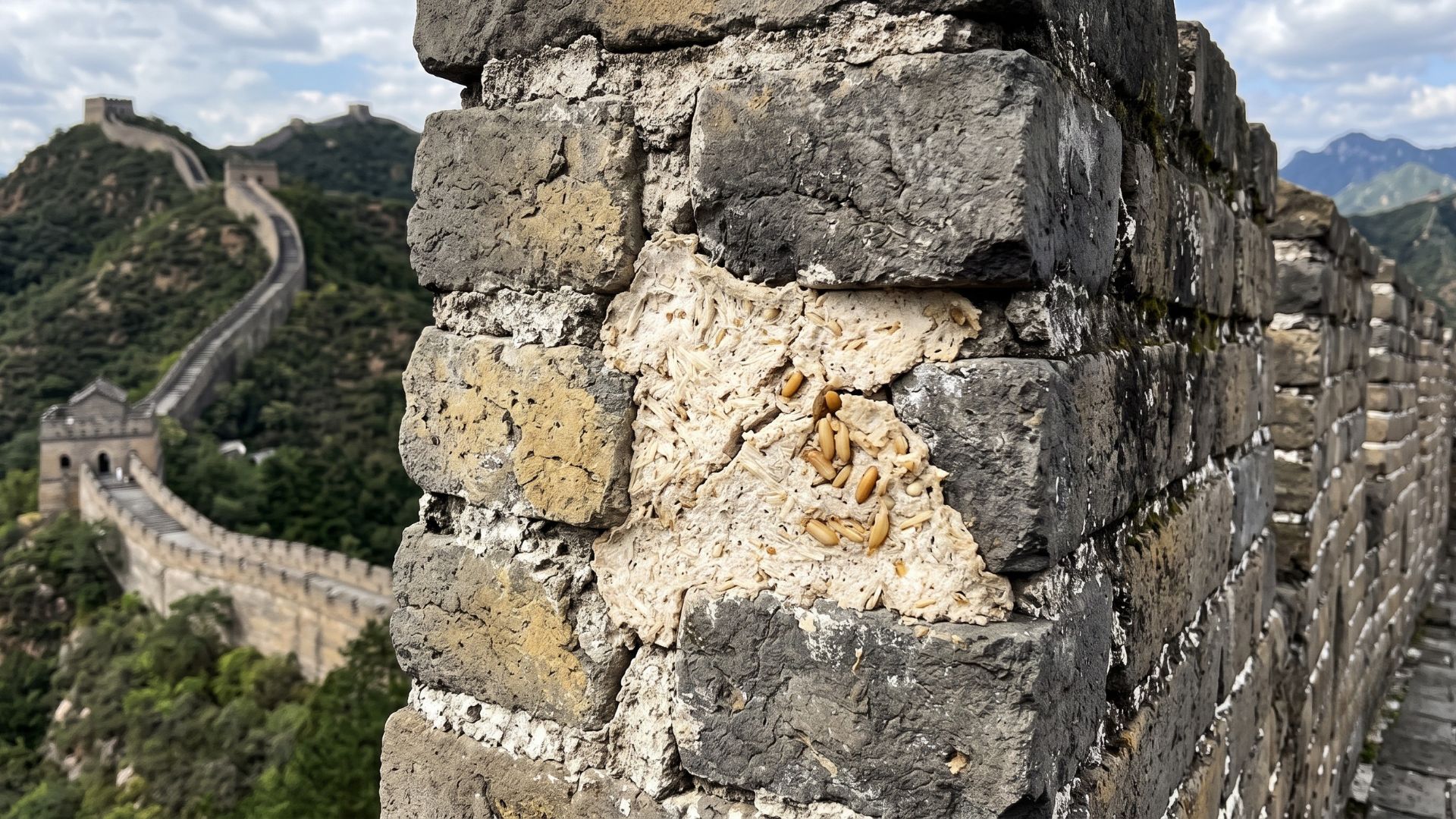
The Great Wall of China was built with a surprising kitchen secret: sticky rice mixed with lime created a mortar so durable it has withstood centuries, earthquakes, and human destruction.

-
Tired of Seeing Homelessness, New Westminster in Canada to Open Region’s First Tiny Home Village: 30 Container Homes with Central Kitchen, Meals, and Facilities
-
Brazil’s Santa Catarina Port Drives 770 Tons of Steel Piles into the Sea, Reaches Midpoint of $100 Million Project to Dock Two Ships Simultaneously by October



Technology Accelerates Construction of the Japanese Railway Station
The innovative method adopted by JR West completely replaces the traditional concrete construction process.
Instead of using wooden or metal forms to shape the concrete, 3D printing produces the ready components for assembly directly.
The company responsible for supplying these components is Serendix Inc., a construction firm specializing in this type of technology, based in Nishinomiya.
Each piece of the new Hatsushima station will be printed in concrete and then assembled on site. The building will have only one floor, measuring 2.6 meters in height, 6.3 meters in width, and 2.1 meters in depth.
According to JR West, this strategy greatly simplifies construction and significantly reduces labor costs and construction time.
The main advantage of this technology is the speed of project execution. Normally, replacing a railway station requires long interruptions of railway services.
However, with 3D printing, it will be possible to complete the entire construction in just six hours, minimizing the impact on users of the railway line.
Flexibility in Design
Another positive aspect of 3D printing highlighted by JR West is the greater flexibility in architectural design.
Unlike traditional techniques, limited by standard shapes, 3D printing allows for creating more complex and customized designs, going beyond typical rectangular or triangular shapes.
Thus, the new stations can be designed taking into account specific characteristics of the location where they will be installed.
JR West explained that the exterior appearance of the new Hatsushima station will reflect the peculiarities of the region, creating a pleasant and functional building for local residents.
In addition, the station was specifically chosen for its coastal location. The company’s goal is to test the durability of 3D-printed concrete against wear caused by exposure to salty air.
If the performance is satisfactory, the company plans to expand the model to other stations in the railway network in the future.
Sustainability and Economy
JR West also believes that the new technology could make railway infrastructure more sustainable.
The ease of assembly and maintenance reduces expenses, while the rapid construction minimizes waste and the use of resources such as electricity and water.
According to a statement released by the company, the experience in Hatsushima will be used as a model to evaluate the costs and benefits of this type of construction.
The idea is to expand the use of this technology not only to replace old facilities but also in new projects.
The 3D-printed station represents an important step in JR West’s strategy to modernize its railway network.
The company emphasized that it intends to continue investing in cutting-edge technology, always allied with environmental sustainability and the integration of stations with local communities.
After the inauguration, JR West technicians will conduct a detailed analysis of the results obtained with the new station. Operational costs, material resistance, necessary maintenance, and user satisfaction will be some of the factors assessed by the company.
The data obtained from this experience will be essential to confirm the viability of expanding this technological innovation to other parts of the country.