Portuguese
  Spanish



First Natural Gas Bus Produced by Scania in the Country Will Start Operating
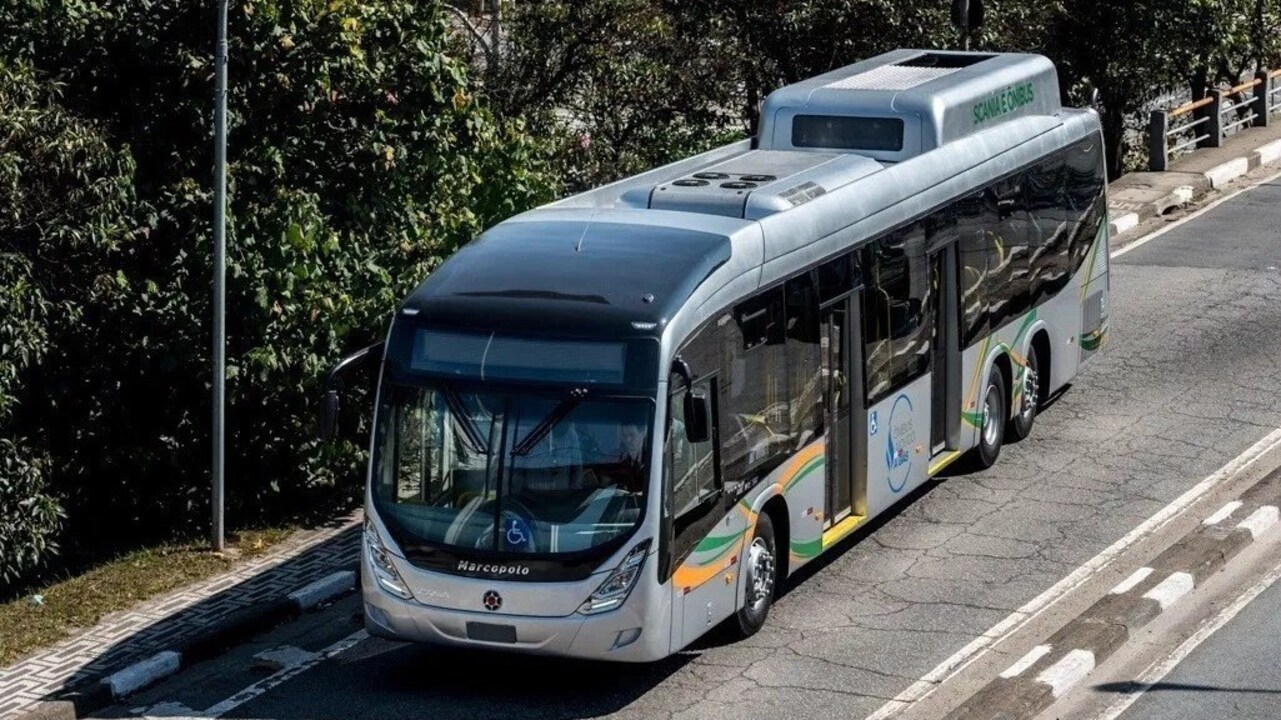
Scania, Gerdau, Turis Silva, and Marcopolo make history by presenting the first bus in Brazil powered by compressed natural gas (CNG) and/or biomethane for charter services. The model will transport employees from Gerdau’s special steel mill located in Charqueadas (RS), still within this first four-month period.
Read Also
Clean and Quiet Engine with Natural Gas – Scania
“We are very excited for this pioneering operation; it will no longer be possible to continue using diesel as the only matrix,” said Jaime Silva, founder and owner of Turis Silva Transportes.
“The requests from contractors for greener products are growing every day, and sustainability is a one-way street. I am convinced that this will be the first of many gas buses for charter services,” he said.
-
Latin America’s Largest Port Invests $400 Million in Rail System with Trains Up to 2.4 Kilometers Long
-
New Smart Radar Begins Issuing Fines to Solo Drivers in Carpool Lanes, Uses Cameras to Count Occupants, Changing Traffic Enforcement Rules on Busy European Roads

-
Why can the crane operator only obey the correct signalman on the construction site: among dozens of workers, a hand raised by the wrong person can confuse the maneuver and turn a load of tons into an immediate risk.
-
What changes with the new public transportation rules that can reduce pressure on fares and pave the way for zero fare in Brazil?

The Scania K 320 4×2 gas-powered bus features a rear gas engine with 320 horsepower, meeting Euro 6 emission standards. It can be fueled with mineral natural gas, biomethane, or a mixture of both. According to the manufacturer, its performance is similar to that of a diesel model but is quieter.
The Scania vehicle has an eight-cylinder tank, providing a range of 300 km, and if the customer desires, more cylinders can be installed without significant changes to the bodywork.
How the Scania Gas Bus Works
The vehicle operates with an “Otto cycle” engine, which is quieter than diesel buses, an important condition for urban circulation. Furthermore, the new bus has low pollutant emissions – about 85% less than a similar diesel bus – according to tests and demonstrations carried out in several Brazilian cities and verified by Netz Automotive Engineering.
The vehicle managed to travel approximately 700 km on highways with its full gas load (300 m3), but in cities, the performance is around 350 km. The cost per kilometer traveled was R$ 0.89 compared to R$ 1.24 for diesel buses.