






 Portuguese
  Spanish
  3 min of reading
  0 comments


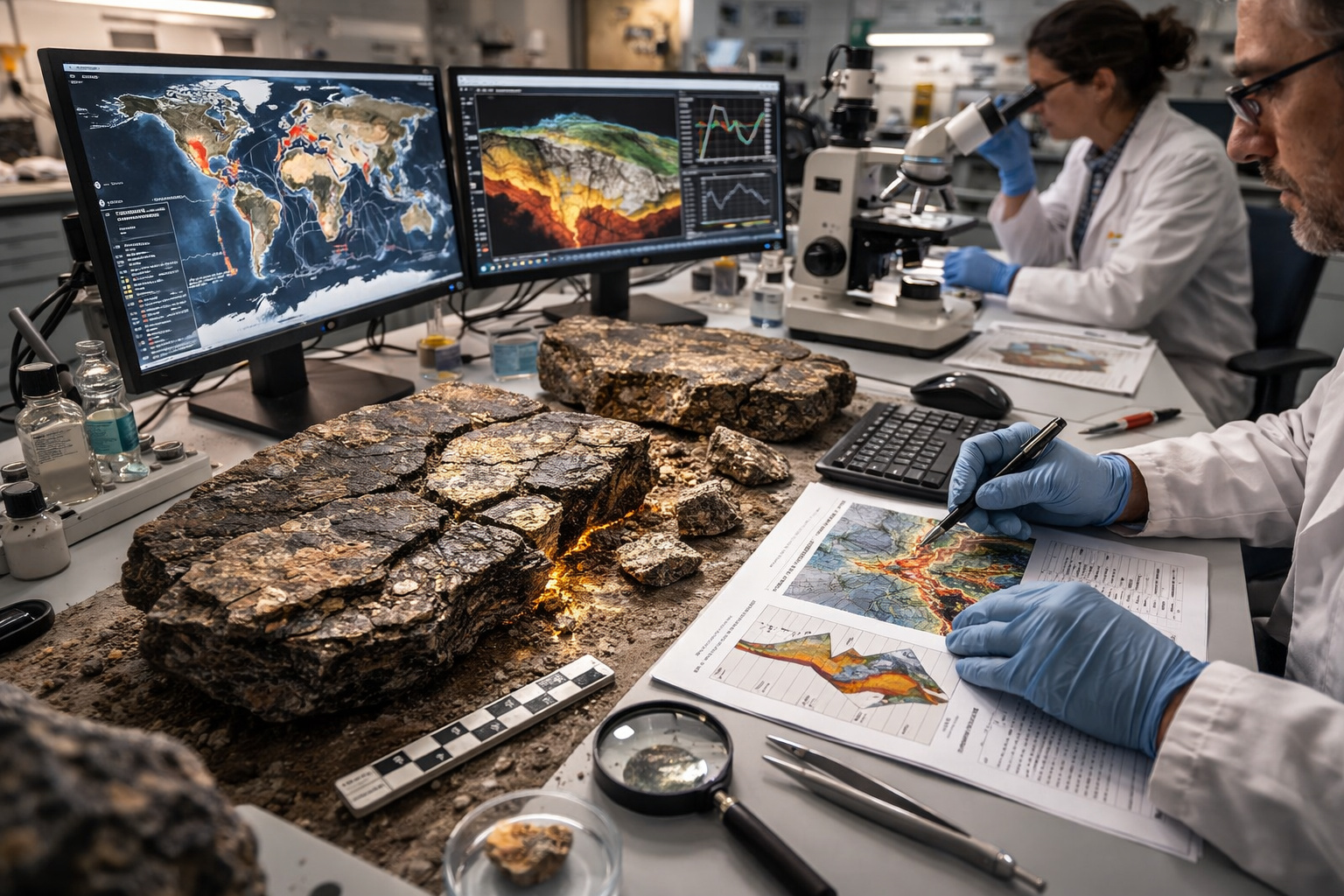
Research Based on the Oldest Rocks on Earth and Computational Modeling Shows That the Formation of the First Continents Was Marked by Structural Instability and Intense Mantle Dynamics
A scientific investigation into the oldest rocks on Earth revealed that the first continents were structurally unstable.
Moreover, the discovery helps to explain how the geological transformation of the planet occurred over approximately 4.5 billion years since its initial formation.
According to data consolidated by geoscience institutions until 2024, there is still little direct evidence regarding the early stages of continental formation.
-
While Brazil is still discussing infrastructure for electric vehicles, China operates a giant yard with hundreds of trucks, 216 plugs, 1.44 MW chargers, and 300,000 kWh delivered in a single day, showing how heavy recharging has already become a logistical routine.

-
It looks just like a metallic card, but this titanium gadget hides more than 70 tools for routine, fishing, technology, and emergencies.

-
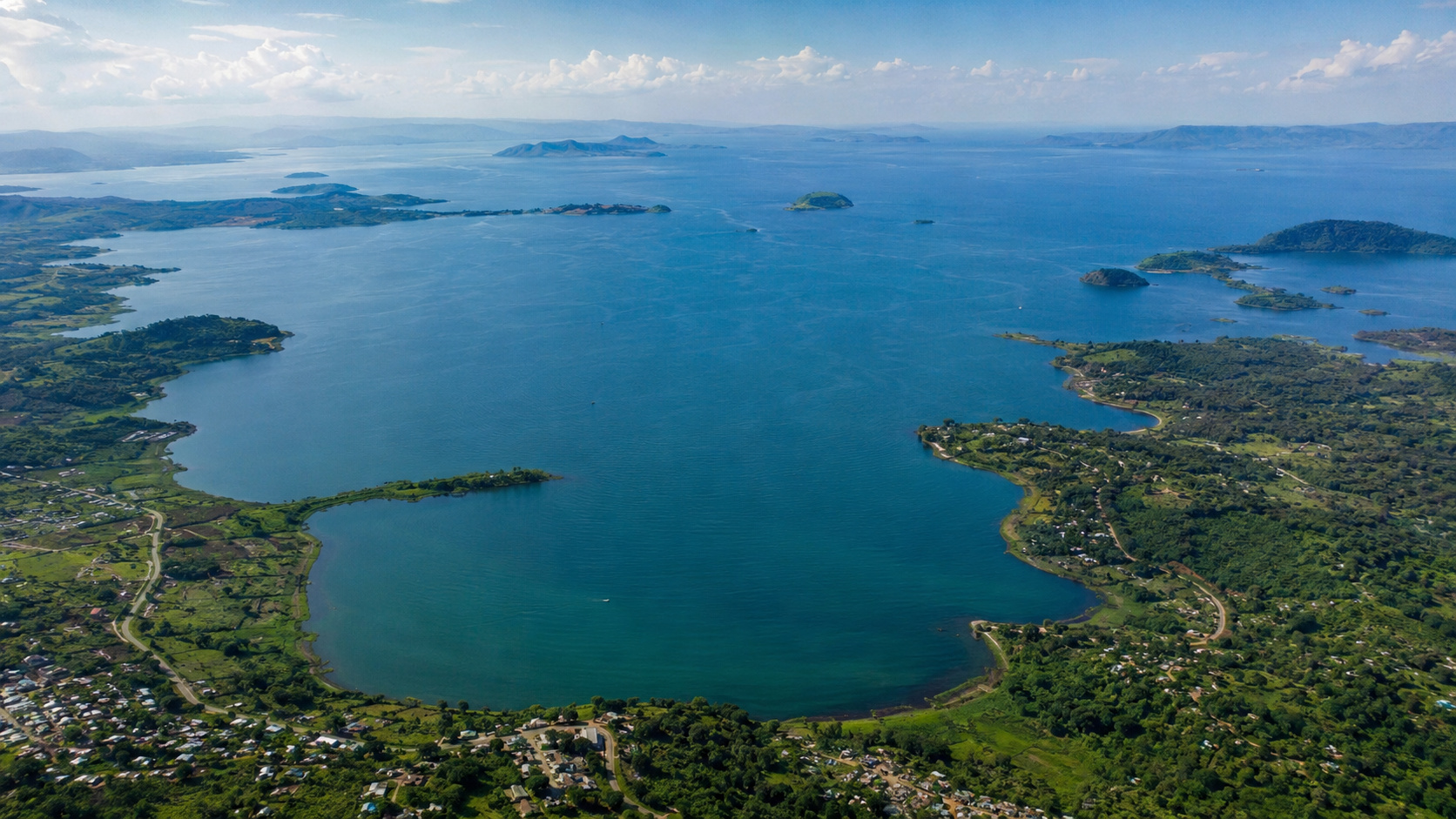
Giant lake in Africa becomes a “natural storm factory” over the Equator, producing extreme lightning at night and revealing why the region hosts some of the largest electrical hotspots on Earth.

-
Alert about supplement used by millions for joint pain: observational study associates glucosamine with a 25% higher risk of progression from mild cognitive impairment to dementia and reignites concern.



Therefore, understanding this period continues to be one of the greatest challenges of modern geology.

Technical Investigation Analyzes Cratonic Nuclei
Diverse lines of evidence suggest that continents may have arisen from cratonic nuclei, ancient structures of the Earth’s lithosphere.
Cratons are differentiated portions of the crust and upper mantle.
In addition, they present a heterogeneous mineral composition, gathering materials of different ages, chemical compositions, and geological origins.
However, directly associating the birth of continents with cratons is still considered premature.
This is because the very process of craton formation remains widely debated in contemporary scientific literature.
Currently, according to geological surveys recognized until 2024, only 35 cratons are officially identified on the planet.
Simulation of the First Billion Years of Earth
In light of these uncertainties, geologist Fabio Capitanio from the School of Earth, Atmosphere, and Environment at Monash University in Australia conducted an investigation based on computational modeling.
According to a scientific statement released by Monash University in 2023, a simulation of the first billion years of Earth was conducted.
The goal was to analyze the thermal and chemical evolution of the cratonic lithospheric mantle.
The results indicate that these structures may not have been stable in their early stages.
Furthermore, the researchers suggest that fragments of these formations may still be preserved in the deep mantle.
Consequently, these “pieces” could return to the surface in certain geodynamic contexts.
Implications for Life and Other Worlds
Understanding how continents arose is crucial for explaining the very maintenance of life on Earth.
After all, continental stability influences global climate, geochemical cycles, and environmental conditions that sustain living organisms.
Moreover, recent studies in planetary geosciences indicate that this research also has implications for the search for potentially habitable worlds beyond the Solar System.
This is because continental formation and stability may be determining factors in the habitability of other rocky planets.
Therefore, although many questions remain unanswered, the study reinforces the importance of investigating the initial dynamics of Earth.
As new modeling techniques and mineral analysis progress, new evidence may emerge.
In light of this scenario, a central question arises for planetary science: can a better understanding of the instability of the early continents help explain why Earth became a habitable planet while other worlds remained inhospitable?









-

-

3 people reacted to this.