Portuguese
  Spanish


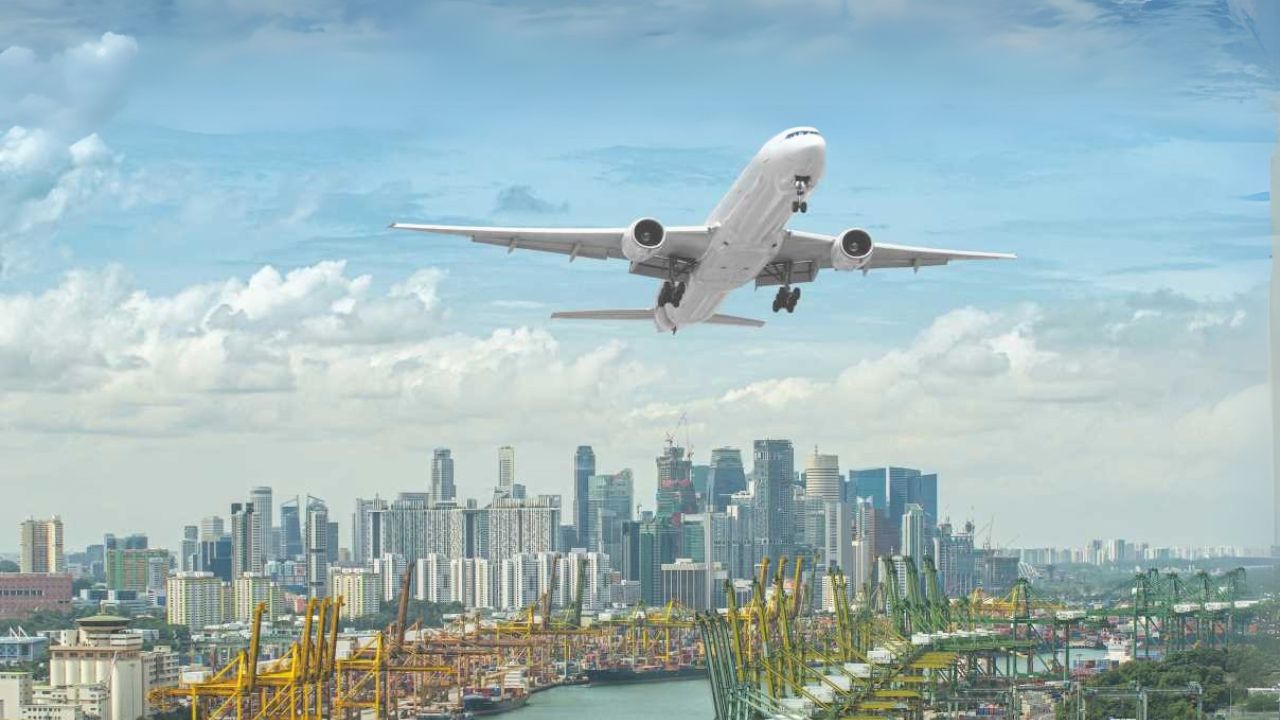

This SAF Can Reduce Carbon Emissions by Up to 80% Compared to Conventional Petroleum-Derived Fuels
A revolutionary breakthrough in the sustainable aviation fuel (SAF) market has been achieved by South Korean scientists, who presented the first example of SAFs based on forest waste and suitable for long-distance flights.
This discovery could transform the aviation industry and contribute significantly to environmental sustainability.

An Innovative Fuel from Wood and Grass
A team led by Ha Jeong-Myeong and Yu Chun-Jae from the Clean Energy Research Center at the Korean Institute of Science and Technology (KIST), managed to develop a sustainable fuel with properties similar to conventional aviation fuel.
This SAF is capable of operating for up to 100 hours, even in the presence of impurities, as reported by the researchers.
-
Brazil on Track for Record 40.7 Billion Liters of Ethanol in 2026/27 Season, Driven by Corn Ethanol
-
Petrobras Approves $1.2 Billion Refinery in Brazil to Produce Aviation Fuel and Diesel from Plants

-
Brazil Welcomes Spanish Wamos Air and Nigerian Air Peace, Potentially Transforming International Routes and Increasing Competition

-
Offshore air transport soars in Brazil, surpasses 2.5 million passengers, and reveals how oil has transformed Rio’s airports into key pieces of national logistics.


Key Advantages of Forest-Based SAF:
- Up to 80% reduction in carbon emissions compared to petroleum-derived aviation fuels.
- Utilization of non-food resources, such as wood and grass, avoiding competition with crops intended for human consumption.
The study, published in the journal Energy Conversion and Management, highlights that previous attempts to produce SAF from wood and grass generated compounds similar to gasoline, which are not suitable for aviation.
However, Ha’s team overcame this challenge through advanced decarbonization and polymerization reactions, optimizing the oils extracted from these materials.
The new fuel contains high-energy components essential for aviation, such as naphthenes and aromatics. When mixed with existing SAFs, it can entirely replace petroleum-based fuels in the future.
Green Air Corridors: The Future of Sustainable Aviation
In the context of the COP29 conference, it was suggested that green air corridors between strategic locations could accelerate the transition to a fully decarbonized aviation.
This concept, inspired by sustainable maritime corridors, is being studied by an international team of researchers from Heriot-Watt University (UK) and the American University of Sharjah (UAE).

A Strategic Approach to Sustainable Fuels for Long-Haul Flights
The study, published in the journal Energy and Environmental Science, proposes prioritizing high-demand routes, such as London-Dubai, given that both airports are among the busiest in the world and generate high CO2 emissions.
Highlighted Data:
- Heathrow Airport in London is already a global leader in SAF implementation, with a goal of incorporating 11% SAF into its total fuel consumption by 2030.
- Dubai and the UK have a strong reliance on long-haul flights, which presents a unique opportunity to lead the adoption of SAFs and demonstrate the viability of these technologies.
International Collaboration and Emerging Technology
According to Professor Steve Griffiths, Vice President of Research at the American University of Sharjah, establishing green air corridors would not only accelerate the decarbonization of the aviation sector but also promote global cooperation in the development of sustainable fuels.
Moreover, Professor John Andresen from Heriot-Watt University emphasizes the urgency of prioritizing strategic routes to foster the use of SAF technologies with zero net emissions.
Implications for the Future
This advancement in SAFs made from wood and grass waste, combined with the strategy of green air corridors, represents a crucial step toward more sustainable aviation.
The reduction of emissions, the utilization of non-food resources, and international collaboration will be essential to achieve truly eco-friendly air transport.