Portuguese
  Spanish



With A Focus On Milk Production In Minas Gerais, The New Cycle Of The More Healthy Milk Project Expands Technical Assistance, Applied Research, And Sustainable Actions For Family Farmers In Northwestern Minas Gerais
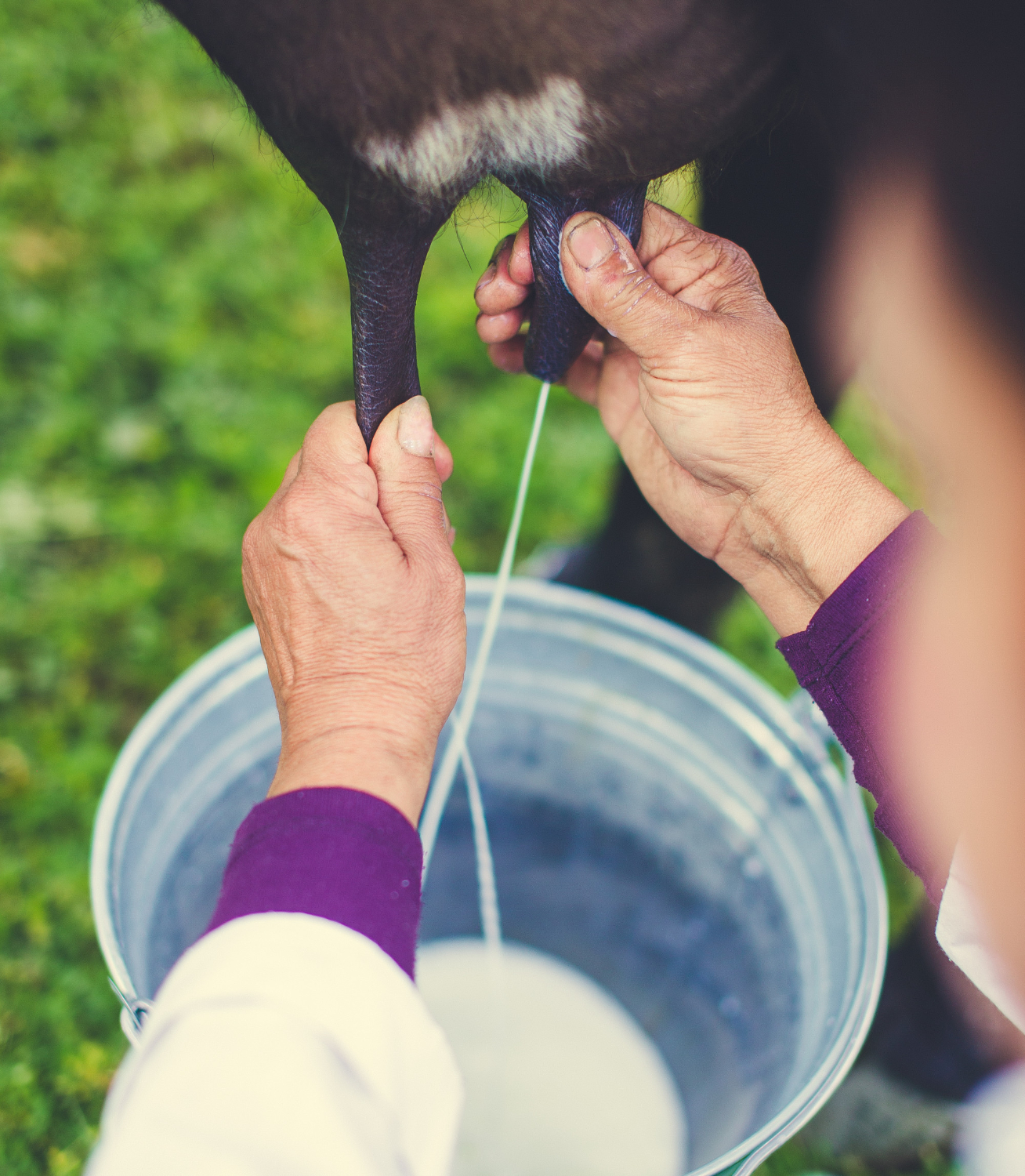
The milk production in Minas Gerais gains new prominence with the advancement of the renewed cycle of the More Healthy Milk project, which brings together integrated actions to support family farmers in Paracatu and reinforce sustainable practices developed by Embrapa Cerrados in partnership with the Agricultural Cooperative of Vale do Paracatu, according to a report published.
The start of this phase mobilized technicians selected at the end of October, who have already begun visits to properties at the beginning of November, structuring ongoing monitoring supported by three veterinarians and two agronomists.
The guidance follows a methodology validated since 2020 and integrates applied research, rural extension, and updated technical training.
-
Study of Brazil’s Tietê River Finds 25 Pesticides in Water, Including Cancer-Linked Substance Near Source

-
Young Entrepreneur Expands from 50 to 1,400 Chickens, Proving “Happy Hens” Can Be a Viable Business
-
Small Farm in Brazil’s Minas Gerais Produces 403 Liters of Milk Daily, Sets Benchmark for Rural Producers
-
Man Revives 1930s Abandoned Trout Farm, Learns from Scratch, and Earns $1.1 Million Annually Selling Fish to Michelin-Starred Restaurants



The monitoring of 150 family properties reinforces the relevance of milk production in Minas Gerais by connecting conservation agriculture with nutritional management of the herd.
This technical axis aims to adjust cultivation systems, reduce soil loss, and guide decisions that avoid compaction during periods of higher humidity.
The tests conducted by researchers such as José Humberto Xavier evaluate necessary adjustments to improve the performance of crops used for animal feed.
The harvest of silage, for example, still requires techniques that minimize the intense extraction of nutrients and favor practices that ensure productive stability under different regional climatic conditions.
Conservation Agriculture In Northwestern Minas Gerais
The team also works on developing alternatives that favor the milk production in Minas Gerais, expanding cultivation systems adapted to the Cerrado and strengthening routines of sustainable rural technical assistance.
This movement aims to increase efficiency, reduce operational costs, and provide reliable references for farmers who depend on close and continuous guidance.
Another focus established by the project addresses the genetic improvement of the dairy herd, reinforcing the importance of milk production in Minas Gerais in light of replacement challenges.
The use of artificial insemination guided by veterinarians reduces health risks, standardizes productive characteristics, and replaces frequent purchases of external animals, which are considered costly.
Coopervap is evaluating the implementation of its own replacement program based on experiences accumulated since 2020, consolidating practices that enhance herd safety and traceability.
Sustainable Rural Technical Assistance
The planning anticipates continuity until 2028, during which the network is expected to benefit more farmers and expand the reach of the results obtained.
The actions combine periodic visits, technician training, and the application of technologies adapted to the Cerrado biome, always aligned with the demands of those directly involved in dairy activity.
The newly integrated technicians receive methodological training before entering the field, ensuring standardization of practices.
This preparation includes studying production routines, evaluating the infrastructure of properties, and identifying bottlenecks that may compromise productivity, herd health, or management efficiency, with attention to the proper use of agricultural equipment.
Conservation agriculture now guides recommendations on soil preparation and choice of varieties targeted for cultivation areas, encouraging management practices that reduce labor intensity and favor mechanization compatible with small family units.
This guidance contributes to maintaining productive stability throughout the annual cycles.
Genetic Improvement Of The Dairy Herd
The technical visits establish ongoing dialogue with producers, allowing detailed monitoring of changes in pasture areas and practices related to animal welfare.
This direct contact creates a solid foundation for the adoption of tested technologies, strengthens trust between teams and farmers, and enables rapid responses to specific demands.
By consolidating technical assistance, applied research, and improvement programs, the new cycle reinforces practices that enhance efficiency and sustainability in northwestern Minas Gerais.
The planned actions follow a continuous rhythm, support productive decisions, and maintain integration among institutions, technicians, and farmers, contributing to strengthen the milk production in Minas Gerais.