






 Portuguese
  Spanish


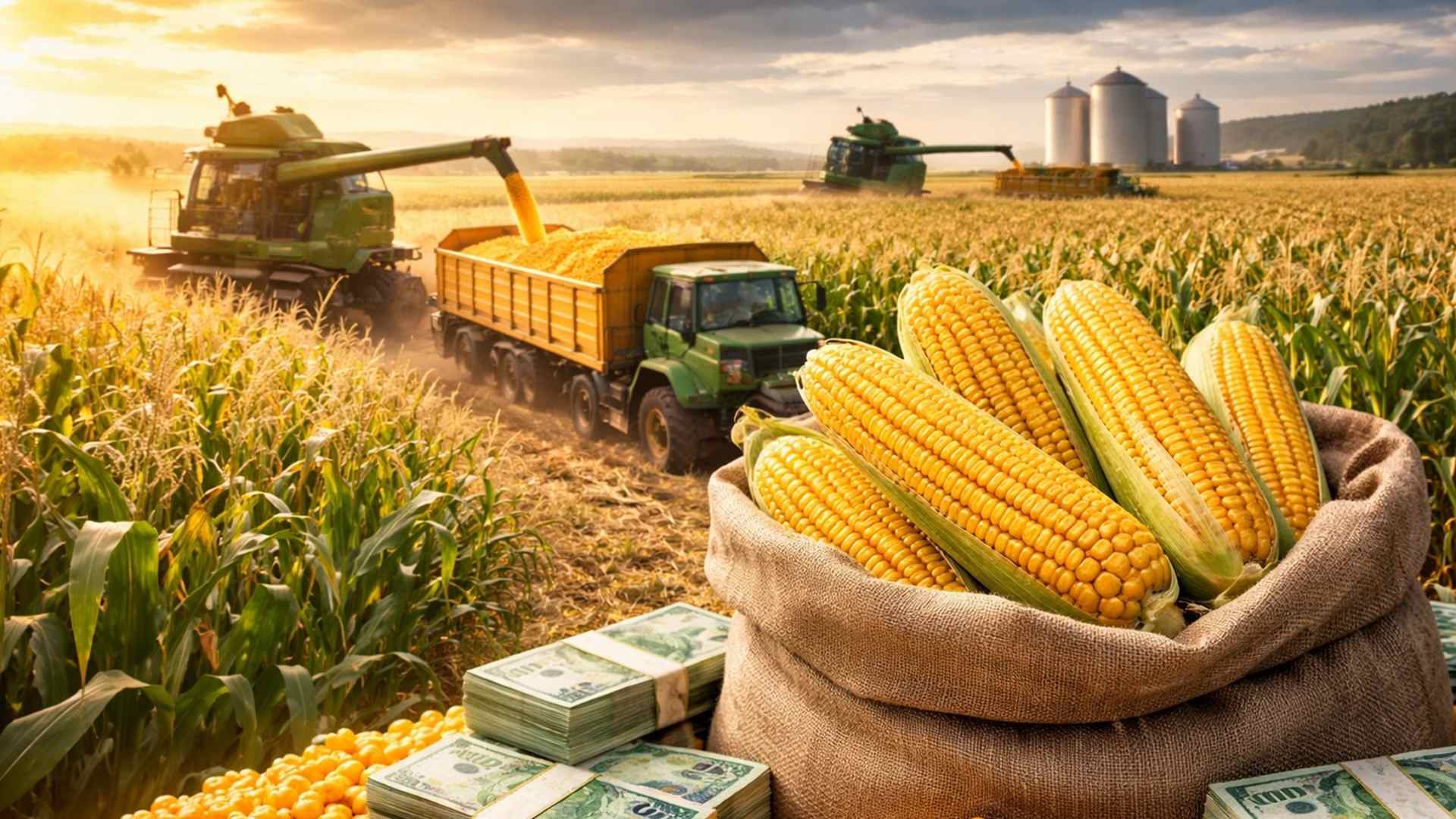


Corn Production in São Paulo Exceeds R$ 4 Billion in 2025, Registers Increase of 26.24% in VPA Compared to 2024 and Growth of 14.30% in the 2024/25 Crop, with Over 58% of Cultivation Concentrated in Five Strategic Regions of the State
The corn production in São Paulo surpassed R$ 4 billion in 2025, with an increase of 26.24% in VPA compared to 2024 and a growth of 14.30% in the 2024/25 crop, consolidating the grain among the top 10 agricultural products in the state.
The agricultural production value of corn in São Paulo exceeded R$ 4 billion last year, according to preliminary estimates released by the Agricultural Economy Institute IEA-APTA. The result represents a positive variation of 26.24% compared to 2024.
In addition to the growth in VPA, corn production recorded a progression of 14.30% in the volume cultivated in the 2024/25 crop. The performance reinforces the presence of the grain among the ten largest products cultivated in the state.
-
Producer receives news and had to cull almost the entire herd, bounced back with the help of compensation, and is now producing 450 liters of milk per day in SC.

-
Quail Eggs Reveal a “Secret Code” on Their Shells Explaining Unique Patterns and Colors

-
Rare Tropical Fruit Canistel, with Egg Yolk Color and Caramel Flavor, Gains Interest from Researchers and Small Producers in Brazil
-
Brazilian Farmers Develop Wheeled Metal Lever to Ease Cassava Harvesting Without Heavy Machinery


Corn Production Concentrates Over 58% in Five Regions of São Paulo
The regions of Itapeva, Assis, Ourinhos, São João da Boa Vista, and Presidente Prudente lead corn production. Together, they account for over 58% of the grain cultivation throughout the state.
Sandro Lemos Parise, an agronomist and grain specialist at CATI in the Assis region, highlighted that the area is considered the cradle of second-crop corn production. According to him, the system is predominant in São Paulo and Brazil.
Parise explained that the first research on second-crop corn in the region began in the early 1990s, when there was a reduction in wheat planting after the expansion of soybeans.
Growth Reinforces the Role of the São Paulo Agribusiness
The Secretary of Agriculture and Supply, Geraldo Melo Filho, stated that the increase in corn production demonstrates the strength of the São Paulo agribusiness. He highlighted investments in research and rural extension aimed at producers.
According to the secretary, the crop is of vital importance for the entire world and is relevant in various productive chains. The rise of the grain, according to him, reinforces the prominent role of the state in the sector.
For Bernhard Kiep, director of ABRAMILHO and corn producer, São Paulo has the potential to continue increasing corn production, considering agronomic benefits and domestic demand.
Growing Demand Drives Corn Production
Kiep emphasized that the crop contributes to soil health, improving its quality through residues and organic material left after harvest. He also mentioned the growing demand linked to the slaughter of pigs, cattle, and poultry in the state.
According to the director, there is room to better explore the crop in the São Paulo territory. Abramilho supports producers in strengthening corn production and taking advantage of specific niches.
Milho+SP Program Expands Technology and Management in the Field
The Secretary of Agriculture and Supply actively participates in supporting producers through the Milho+SP program, coordinated by CATI. The project focuses on improving grain cultivation on farms.
The program has partnerships with Brevant and Pioneer, Yara, Corteva, and Valtra. Strategies include encouraging cultivation in pasture renovation and increasing productivity in already planted areas.
Actions involve lectures, demonstration fields, technological showcases, technical meetings, and field days. The goal is to transfer technology and promote improvements in management.
Parise highlighted that the program has demonstrative units throughout the state, offering training and capacity building. The initiatives aim to raise the productive ceiling and promote sustainability for producers.
Additionally, the SAA contributes to the development of new cultivars through the Agronomic Institute IAC-APTA. In December 2025, the white corn hybrids IAC 2027 and IAC 2039 were launched.
The new materials target the market for canjica and white flour, with strong cultivation in the southwestern region of São Paulo. Researcher Maria Elisa Zagatto stated that conventional cultivars meet niches such as sweet corn, popcorn, and white corn.
According to her, the use of IAC hybrids will be innovative for the human food market and for efficient management in the state, consolidating new production fronts.


