






 Portuguese
  Spanish
  10 min of reading
  0 comments


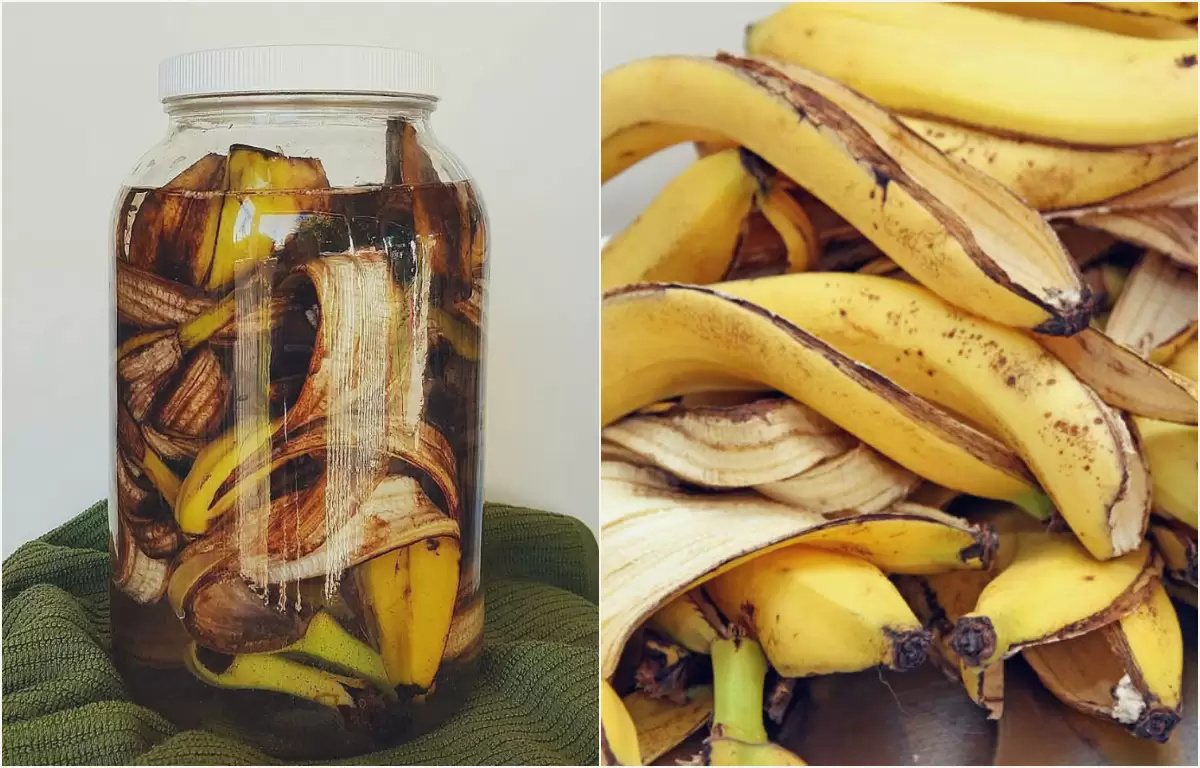
Banana Peels, Which Represent 40% of the Fruit’s Weight, Can Turn into Liquid Biofertilizer Rich in Potassium, with Double the Nutrient of the Pulp, Strengthening Flowering and Fruiting of Plants.
About 40% of the weight of a banana is discarded as peel and goes straight to the trash in most Brazilian households. This waste represents not only a considerable volume of organic waste but also a loss of valuable nutrients for gardening and family agriculture. The peel contains double the potassium present in the fruit’s pulp, as well as phosphorus, calcium, and magnesium in significant concentrations that can be utilized through simple fermentation in water.
The method transforms discarded peels into liquid biofertilizer rich in potassium, an essential mineral for flowering and fruiting of plants. While 100 grams of banana pulp provide approximately 350 to 358 milligrams of potassium, the same amount of peel contains around 700 milligrams of the nutrient. This double concentration makes the peel an efficient raw material for producing homemade liquid fertilizer that replaces expensive commercial fertilizers.
Fermentation enhances the release of nutrients present in the peel, making them more easily absorbed by the plant’s roots. The process also generates beneficial microorganisms that enrich the soil microbiota, improving its structure and fertility in the long term. For family gardens, orchards, and flower beds, it represents direct savings on agricultural inputs without compromising results.
-
Even without an official rural area, Florianópolis maintains family farming in Ratones, Ingleses, and Ribeirão, producing cassava, honey, oysters, and organic products, transforming farms into schools and rural tourism, but faces an uncomfortable question: how long can the countryside withstand within a growing capital?

-
The Brazilian wood at US$5,000 per cubic meter: jacarandá-da-bahia has generated fortunes abroad for over 300 years, became a symbol of global luxury, and today survives as one of the most threatened trees of the Atlantic Forest.
-
Peter Andrews was reported by his neighbors, lost the farm to the bank, and saw his marriage fall apart, but the method that the government rejected for 30 years was recognized by the UN as one of the five agricultural models.

-
Billion-dollar agricultural bill worries the Treasury: rural renegotiation could consume R$22.4 billion in 2027 and hinder the return of accounts to the black


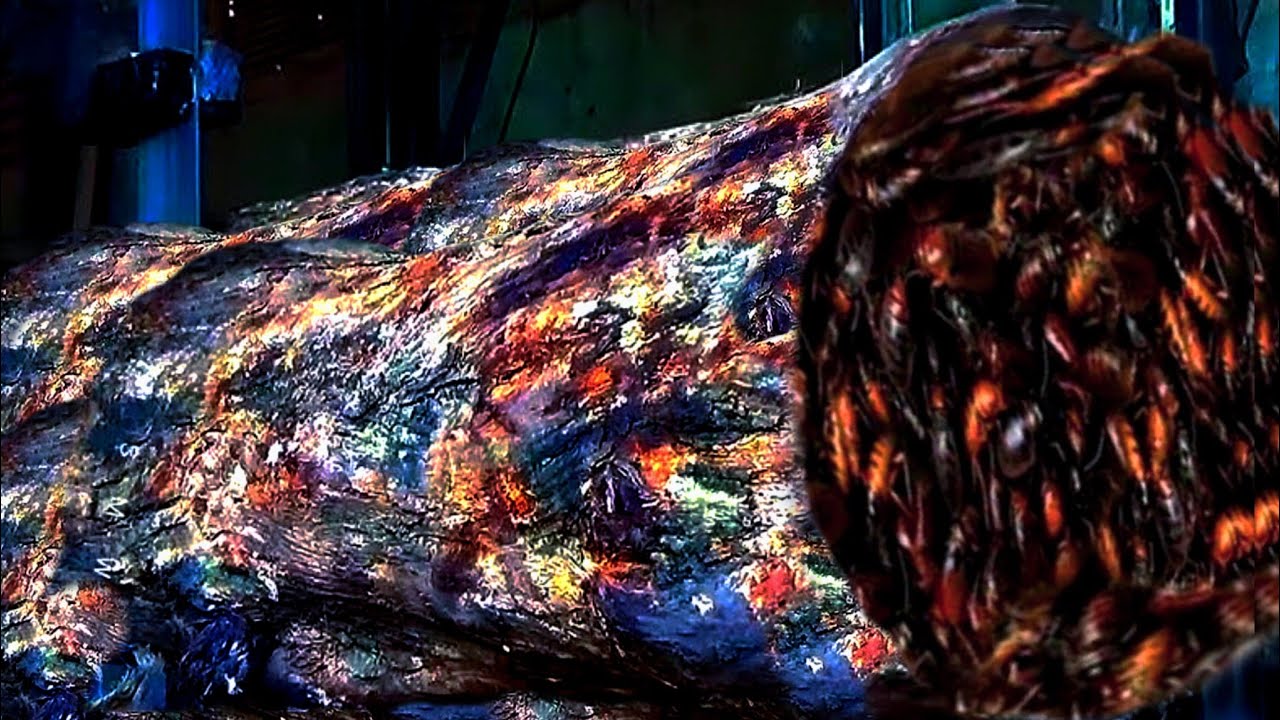


Fermentation Process Over 7 Days Releases Potassium, Calcium, Magnesium, Phosphorus for Quick Absorption by Plants
The preparation of fermented liquid fertilizer requires only banana peels and water in a suitable container. The peels should be chopped into smaller pieces to increase the surface area in contact with the water and accelerate nutrient extraction. The peels are placed in a glass or plastic jar, and enough water is added to cover them completely, avoiding exposure to air.
The container should be covered in a way that allows gases to escape without sealing it tightly. Screw caps can be left slightly loose or replaced with cloth held with an elastic band. During fermentation, gases are produced and need to escape to avoid excessive pressure in the container. The jar should be kept in a dark, cool place, protected from direct sunlight.


The ideal fermentation time varies between 5 and 10 days, depending on the ambient temperature. In warmer regions, 5 to 7 days are sufficient.
In cold climates, it can be extended up to 14 days. The liquid progressively darkens as the minerals are transferred to the water. The darker the solution, the higher the concentration of extracted nutrients. Occasionally stirring the container helps to homogenize the process.
Dark Solution with Fermented Smell Indicates Maximum Nutrient Concentration for Use on Plants
At the end of the fermentation period, the liquid exhibits a dark brown color and a characteristic fermented aroma, similar to fermented fruit beverages. This odor is normal and indicates that the process occurred correctly. There should be no putrid or rotten smell, which would indicate improper decomposition due to contamination or excessive time.

Before use, the fertilizer should be strained using a fine sieve or clean cloth to remove fibers and solid residues. These residues can be composted or buried directly in the soil around the plants as organic cover. The strained liquid is the biofertilizer itself, ready for dilution and application.
The concentrated fertilizer has a short shelf life and should be stored in the refrigerator for no more than a week. For longer periods, it loses effectiveness. Therefore, it is recommended to prepare appropriate quantities for immediate use or within a few days. Continuous production in small batches is more efficient than large volumes stored.
Dilution 1 Part Fertilizer to 5 Parts Water Prevents Burning of Roots and Leaves
The liquid banana peel fertilizer is quite concentrated and should never be applied undiluted on plants. The recommended standard dilution is 1 part of fermented fertilizer to 5 parts of clean water. For young or sensitive plants, it can be diluted even more, using a ratio of 1 to 10.
The application should be made directly to the soil, around the base of the plant, avoiding direct contact with leaves and flowers that may be sensitive to the solution. The ideal time to water the soil is in the early morning or late afternoon when there is no direct sunlight. Applying under strong sunlight can cause burns on the parts of the plant that come into contact with the liquid.
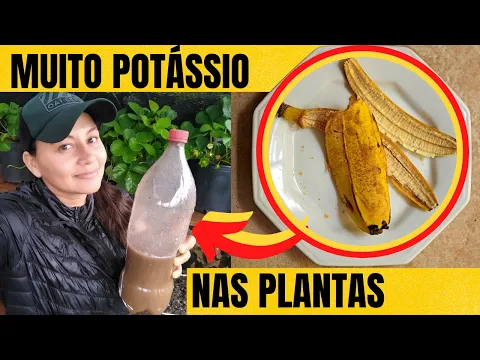
The recommended frequency is one application every two weeks for plants in the vegetative growth phase and weekly during flowering and fruiting, when the demand for potassium increases. For ornamental plants in pots, a monthly application may be sufficient. Observing the individual response of each species helps to adjust frequency and dilution.
Tomatoes, Strawberries, Roses, and Hibiscus Respond Better to Potassium, Becoming More Vibrant and Productive
Crops that produce flowers and fruits benefit especially from banana peel fertilizer due to its high potassium content. Tomatoes, bell peppers, and strawberries exhibit larger, sweeter, and juicier fruits when given adequate potassium supplementation. The nutrient intensifies colors, prolongs the flowering period, and increases the structural resistance of the fruits.
Roses and hibiscus respond with more abundant flowering and more vibrant flowers. Potassium strengthens plant tissues, making the petals more colorful and durable. For these ornamental species, weekly applications during the budding and flowering phase yield visible results in a few weeks.

Leafy vegetables such as lettuce and cilantro also benefit, though to a lesser extent than fruit-bearing plants. Banana fertilizer complements other homemade fertilizers well. Combined with coffee grounds (rich in nitrogen) and crushed eggshells (a source of calcium), it forms a complete nutrient mix. Alternating applications of different homemade fertilizers maintains nutritional balance without reliance on industrial fertilizers.
Savings Replace Commercial Potassium Chloride That Costs R$ 84 for a 50 Kg Sack
Potassium chloride is the main commercial source of potassium for agriculture, accounting for 90% of potassium fertilizer use in Brazil. The product contains approximately 58% to 60% K2O (potassium oxide) in its composition and is sold in 50-kilogram bags. In November 2024, the average price in the Brazilian market was around R$ 1,685 per ton, equivalent to about R$ 84 per 50-kilogram sack.
For a family producer with a 100-square-meter garden, the annual consumption of potassium chloride can vary between 5 and 10 kilograms, depending on the types of crops and application frequency. Considering an average usage of 7 kilograms annually, the expense would be approximately R$ 12 to R$ 15 per year just for potassium, not counting nitrogen and phosphorus.
Although it may seem like a small amount in absolute terms, it represents an avoidable cost when there is a free alternative that is equally effective. For larger gardens or producers who cultivate dozens of plots, the savings multiply. Besides the financial aspect, there is an environmental benefit in reducing reliance on industrial inputs that require mineral extraction and long-distance transportation.
Banana Peel Contains 700 Mg of Potassium per 100 Grams, Double That of the Pulp, Providing Concentrated Nutrient
The nutritional composition of banana peels is surprising due to its mineral density. Laboratory analyses show that 100 grams of peel contain approximately 700 milligrams of potassium, compared to 350 to 358 milligrams present in the same amount of pulp. This double concentration makes the peel a superior source of the nutrient when compared to the consumed fruit.
In addition to potassium, the peel provides 33% to 43% of the daily potassium requirement for adults in just one 100-gram serving. It also contains significant amounts of phosphorus, calcium, and magnesium. Phosphorus contributes to root development and energy production in plant cells. Calcium strengthens cell walls. Magnesium is involved in photosynthesis as a component of chlorophyll.
Studies also indicate the presence of vitamin C, carotenoids (antioxidants), and fibers in the peel. When fermented, part of these substances passes into the water, creating a complex solution of nutrients and bioactive compounds. The microorganisms that develop during fermentation also produce substances that benefit the soil and plants.
Diluted Foliar Fertilizer 1 to 3 Recovers Plants Weakened by Pests or Climate
The foliar application of banana fertilizer should be even more diluted than the watering of the soil. A ratio of 1 part of fermented fertilizer to 3 parts of water is recommended. The solution is applied with a sprayer on the leaves, preferably on the underside where the stomata responsible for absorption are located.
Plants that have suffered from pest attacks, diseases, or extreme climatic stress may recover more quickly with biweekly sprays. The fertilizer acts as a revitalizing tonic, providing nutrients that strengthen the plant’s immune system. Species showing signs of potassium deficiency – such as yellowing or curling of leaves – respond particularly well.
Foliar application complements but does not replace soil fertilization. The roots continue to be the main route for nutrient absorption. Using both forms – soil and foliar – enhances results. It is important to always apply in the late afternoon or early morning, with dry leaves, to avoid sunburn.
Fermentation Compounds Repel Aphids, Mealybugs, and Fungi, Reducing Pests in the Garden
During the fermentation process, bioactive compounds are released by the peels and transformed by microorganisms. Some of these compounds have properties that create a less favorable environment for common garden pests. Aphids and mealybugs, sap-sucking insects, tend to avoid plants regularly treated with fermented fertilizer.

The mechanism of action is not fully understood, but it is believed that changes in the composition of the sap and the presence of repellent substances on the leaf surface contribute to the effect. Fungi causing foliar diseases also find less favorable conditions on well-nourished plants with balanced microbiota on the leaf surface.
It is important to highlight that banana fertilizer is not an insecticide or fungicide. It does not kill existing pests; it only reduces incidence preventively when used regularly. For already established infestations, other control methods need to be employed. The effect is protective and strengthening, making plants naturally more resilient.
Dried Ground Banana Peel Flour Works as Slow-Release Fertilizer for Months
An alternative to liquid fertilizer is banana peel flour, a slow-release form of nutrients. Preparation involves completely dehydrating the peels in the sun, a low oven (50°C to 60°C), or a dehydrator. The process takes 1 to 3 days, depending on the method and relative humidity of the air.
Completely dried peels become brittle and can be ground manually or in a blender until they turn into fine powder. This flour is spread directly over the soil around the plants or mixed with the substrate before planting. The recommended dosage is 1 tablespoon per plant every two weeks.
The advantage of the flour over the liquid is the practicality of storage. Stored in an airtight container in a dry place, it lasts for months without losing effectiveness. It also avoids the odor of fermentation, preferable for those who grow plants indoors. The gradual release of nutrients as the soil is watered mimics that of commercially available controlled-release fertilizers.
Combining Banana Peel, Coffee Grounds, and Crushed Eggs creates Complete Homemade NPK
Banana peels are an excellent source of potassium but deficient in nitrogen. Coffee grounds, on the other hand, are rich in nitrogen, essential for leaf and stem growth. Crushed eggshells provide calcium and a small amount of phosphorus. By combining these three household residues, a more complete fertilizer is obtained.
An effective recipe mixes 4 chopped banana peels, half a cup of coffee grounds, and 6 crushed eggshells with 600 ml of water in a blender. After blending well, another 500 ml of water is added, totaling about 1 liter of liquid fertilizer. This mixture can be used for up to 15 days when stored in the refrigerator.

The proportion of the ingredients can be adjusted according to availability and the needs of the plants. Leafy crops require more nitrogen (coffee grounds). Fruit-bearing plants prefer more potassium (banana peel). Plants in rooting or flowering phases benefit from calcium (eggshells). Experimenting with different combinations allows for customizing the fertilizer for each situation.
Soil Needs Composting and Organic Matter Besides Liquid Fertilizer for Complete Nutrition
Liquid banana peel fertilizer complements but does not replace solid organic fertilization. Healthy soil needs decomposing organic matter that improves physical structure, water retention, and biological activity. Homemade compost provides this material abundantly and should be the foundation of fertility.
The ideal is to incorporate compost into the soil every 3 or 4 months, creating a reserve of slowly released nutrients. The liquid fertilizer acts as a supplement for phases of higher demand, such as flowering. Thinking of composting as basic food and the liquid as a vitamin boost helps to understand the role of each.
For those without space for a composter, alternatives include worm humus, well-composted manure, or commercial organic substrates. The combination of solid organic fertilizer with homemade liquid supplementation offers balanced nutrition without total dependence on industrial products.
Producers Report 30% More Flowering and Sweeter Fruits with Regular Application
Reports from gardeners and family producers who adopted banana fertilizer show consistent results. Roses show a 20% to 30% increase in the number of flowers when receiving weekly applications during the growing season. The roses also last longer on the plant before wilting.
Tomato plants produce visibly larger fruits with a sweeter taste. Potassium directly influences the concentration of sugars in the fruits, making them more flavorful. Strawberries cultivated with banana fertilizer supplementation exhibit more intense color and firmer flesh.
Ornamental plants such as peace lilies, orchids, and ferns respond with greener and more vigorous foliage. The difference becomes visible after 3 to 4 weeks of regular application. To achieve consistent results, the key is to maintain application frequency, respect recommended dilutions, and not overstretch the quantity.






-

-

-

-

6 people reacted to this.