Portuguese
  Spanish


United, Farmers Transform Sinop Into a Strategic Hub
A group formed by 34 rural producers from Sinop, Mato Grosso, began, in June 2025, the construction of a new corn ethanol plant. The initiative strengthens local production. To achieve this, they decided to invest R$ 1 billion, much of it financed with their own resources. This action enhances the municipality’s prominence in the biofuels sector.
Growing Demand Strengthens Local Market
Consequently, the joint investment demonstrates how the unity of farmers can make large projects feasible. Furthermore, the enterprise, named Evermat, strategically arises alongside Inpasa. Inpasa is recognized as the largest corn ethanol plant in the world, located in the same region since 2019. Thus, the new structure is expected to increase the local demand for corn. This strengthens producers and consolidates Sinop as a reference in northern Mato Grosso.
Robust Structure Drives Development
With that, the new industrial plant of Evermat promises to absorb a large part of the harvest collected in the region. This has a direct impact on the logistics of distribution. Still in 2025, it is estimated that corn production will reach over 40 million tons. This figure has remained significant since 2022. Thus, the plant will help to add value to the grain. This prevents the shipment of large volumes outside the region.
-
At 35, Lawyer Leaves Corporate Career to Turn 1-Hectare Farm into Organic Supplier for Schools in Southern Brazil

-
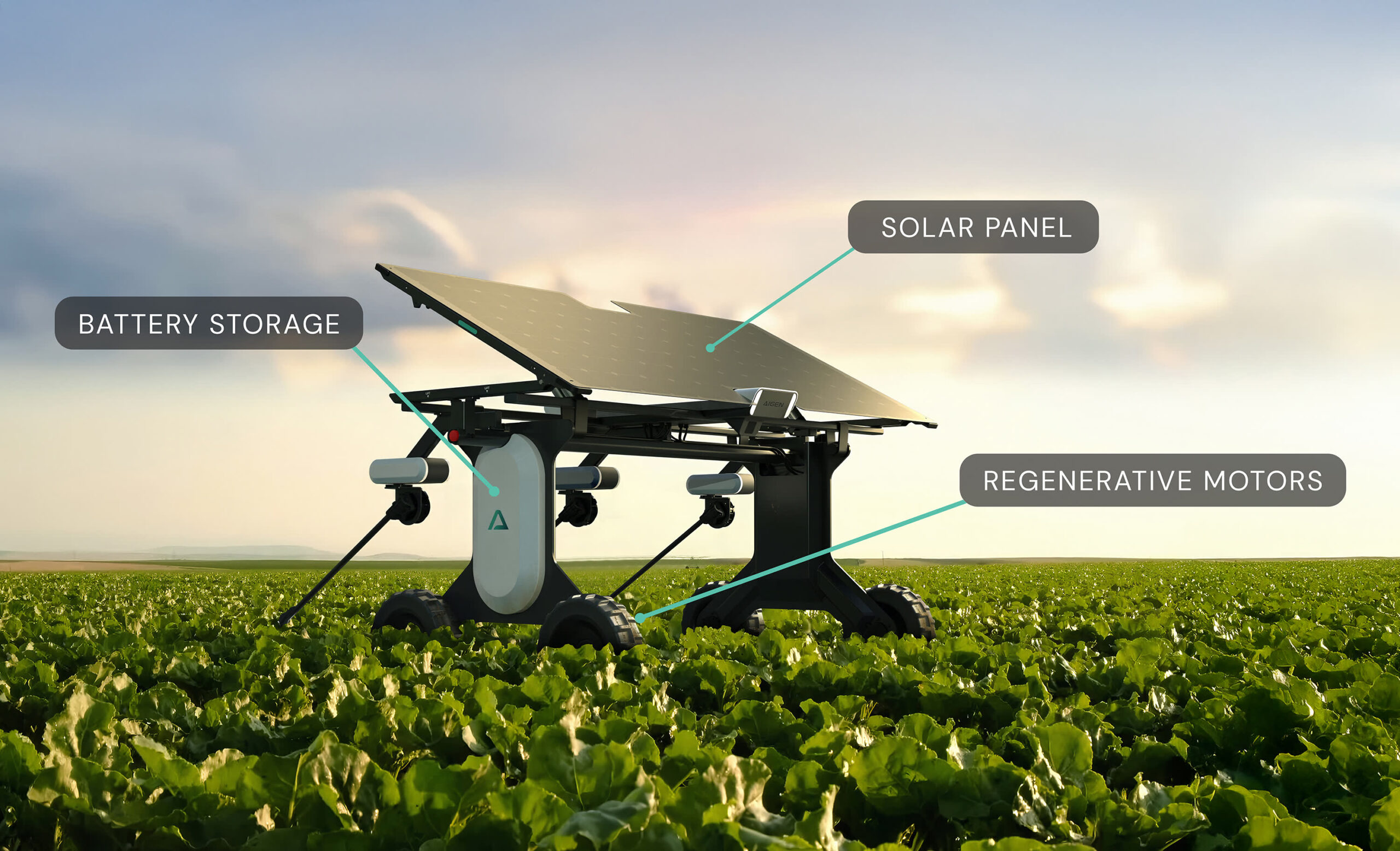
Solar-powered agricultural robots operate 24/7, remove weeds with 8mm precision, and aim to cut herbicide use without fuel consumption in the fields.

-
Brazilian Farmer Invents Low-Cost Tractor Using Motorcycle Parts, Efficiently Working 2 Acres on 1 Liter of Diesel

-
Regenerative Farmers Use Keyline Plow to Improve Pasture Hydration, Storing 1 Gallon of Water Every 30 Centimeters




Autonomy and Local Return Motivate Producers
Therefore, by choosing to apply their own resources, rural producers ensure greater autonomy in management. This reduces external dependencies. Thus, the economic return tends to remain within the agricultural community. This fosters new direct and indirect jobs. Furthermore, by installing the Evermat near Inpasa, producers maximize logistical synergies. This decision enhances the utilization of inputs and services.
Promising Perspectives for the Sector
Finally, the collective initiative reinforces confidence in the corn and ethanol chain. The action is aligned with the search for cleaner energy sources. Thus, according to experts from the Sindicato Rural de Sinop, the expectation is that the plant will start full operation as early as 2026. This will increase regional competitiveness. Additionally, the joint action shows how the organization of small and medium farmers can generate macroeconomic impact. This union creates added value for the entire production chain.