Portuguese
  Spanish


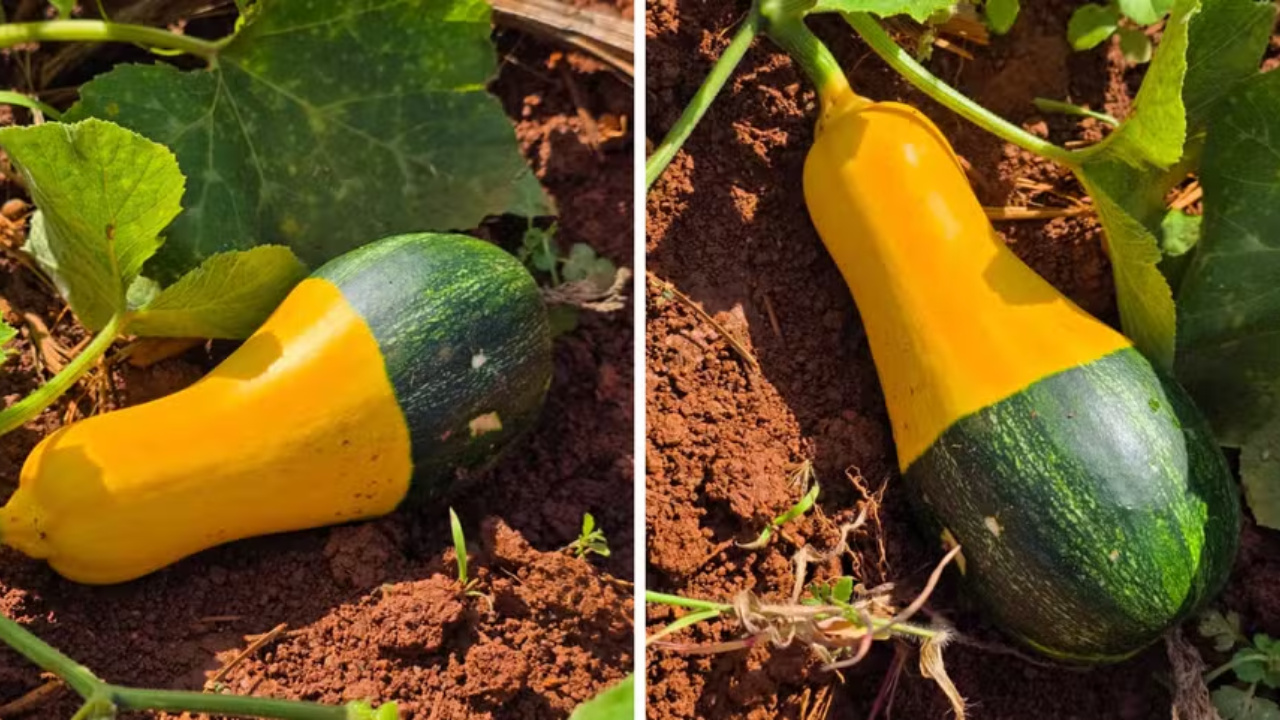

Discover the history of the BRS Brasileirinha pumpkin, a bicolor variety developed by Embrapa, and learn how to cultivate this versatile and nutritious fruit.
The BRS Brasileirinha is a clear example of how agricultural research can transform a curiosity of nature into a high-value commercial asset. This pumpkin variety, recognized for its unique appearance in shades of green and yellow, is the result of years of work by the Brazilian Agricultural Research Corporation (Embrapa), which identified in a spontaneous mutation, the potential to create a differentiated product on the produce shelves.
The discovery occurred in the 1990s, when researchers found bicolor specimens in a commercial field in the Federal District. Understanding the value of that genetic variation, the team collected the material and began a rigorous process of selection and crossbreeding.
The goal was to stabilize the bicolor characteristic and enhance fundamental qualities, such as the shape — similar to a pear, with a smooth and shiny skin — and disease resistance, culminating in the official release of the cultivar in 2006.
-
In China, a 26-story building produces 1.2 million pigs annually, revolutionizing livestock farming with tube feeding and AI surveillance.

-
With Nearly 60% Desert, Israel Desalinates Seawater and Recycles 90% of Wastewater to Build a Billion-Dollar Agricultural Powerhouse in Dates and Cotton
-
74-Hour Barbecue in Brazil Sets World Record: 3.4 Tons of Meat, 10,500 Meals Served

-
Man Takes on Swarms in Singapore, Saves 6 Million Bees and Encourages Locals to Choose Conservation Over Pesticides



BRS Brasileirinha Pumpkin: Culinary versatility and nutritional value
In addition to its striking visual appeal, reminiscent of a “hand-painted” fruit, the BRS Brasileirinha pumpkin stands out for its flexibility in the kitchen.
The consumer can enjoy it at different stages of development and types of preparation:
- Green consumption: Ideal to be prepared in the same way as common zucchini.
- Dry pumpkin: Can be used in recipes that require longer cooking times.
- Preserves: The shape and texture make the product an excellent candidate to be preserved in brine, maintaining its aesthetic qualities.
The nutritional differential is another highlight.
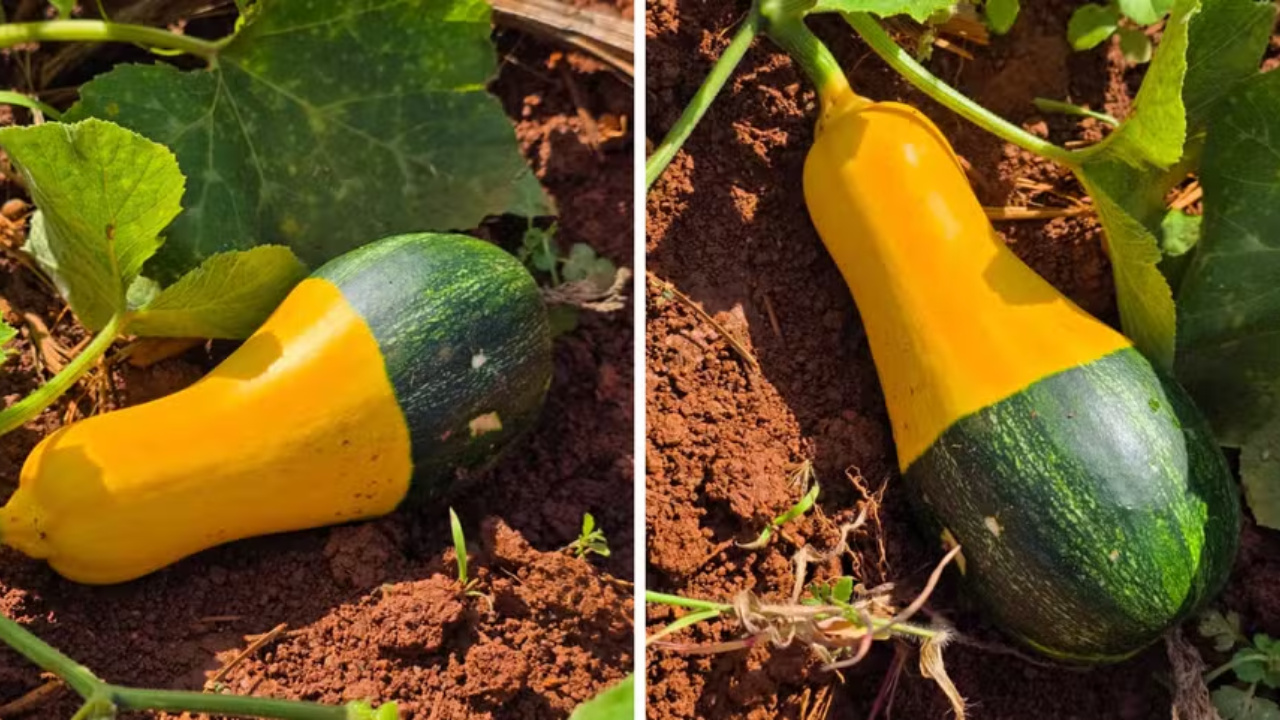
The vibrant colors that make up the pumpkin’s appearance are a direct reflection of its composition, which is rich in beta-carotene and lutein, important substances for the body.
Practical Guide to Management and Productivity
For the farmer, cultivating this variety of pumpkin requires attention to specific techniques to ensure good results.
Embrapa’s recommendation is to plant with a spacing of three meters between rows and 0.60 meters between plants, placing two to three seeds per hole.
One of the pillars for a successful harvest is the presence of bees in the planting area, as they act as indispensable pollinating agents.
Following the guidelines, the harvest can begin between 60 and 70 days after planting. At this stage, the fruits usually measure between 12 and 18 centimeters in length.


It is important to note that the productive potential of the pumpkin varies according to the final objective: for consumption in the green form, for example, the producer can achieve up to 10 fruits per plant.
The Strategic Impact of the BRS Brasileirinha Pumpkin on Agribusiness
The journey of the BRS Brasileirinha, from casual discovery to market, illustrates Embrapa’s commitment to developing cultivars that meet both the technical needs of producers and the demands for innovation from the final consumer.
By transforming a genetic mutation into a stable and productive cultivar, the institution contributes to increasing the competitiveness of the national fruit and vegetable sector.
Therefore, investing in varieties like this allows small and medium-sized farmers to explore differentiated market niches.
The BRS Brasileirinha is not just a botanical curiosity, but a strategic product that combines Brazil’s cultural identity — through its colors — with cutting-edge technology, reaffirming that success in agriculture depends both on proper field management and the ability to offer products that surprise and please the consumer.
Source: Globo Rural