






 Portuguese
  Spanish


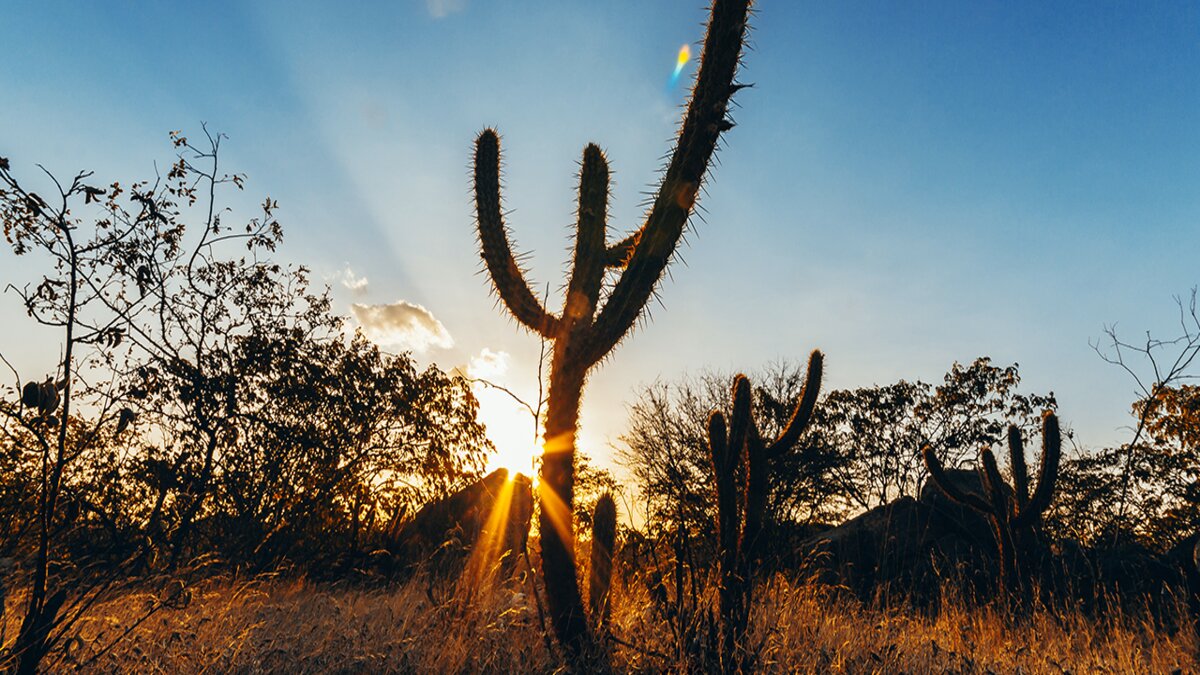

With the survey of the stock of the resource for the development of carbon credits, the rural producers of the Caatinga will be able to put into practice the creation of this market and attract more investments for the growth of the northeastern economy.
For this Sunday (07/17), small rural producers and local leaders from the states of the Caatinga are gathered in an association to develop a carbon credit market in the region. Thus, the Association of Social Carbon Credit Producers of the Caatinga Biome was created with the aim of fostering the development of the northeastern economy, while preserved areas will contribute to creating a stock of the resource, mitigating environmental impacts in the region.
Carbon Credit Market May Be the Future of the Caatinga Regarding Economic Development and Reducing Environmental Impacts
The São Francisco Canyon has just received its first initiative aimed at the carbon credit market in the region, the Association of Social Carbon Credit Producers of the Caatinga Biome, formed by rural producers and local leaders from the area. Thus, the association formed by representatives from the states of Bahia, Sergipe, Alagoas, and Pernambuco aims to utilize preserved areas to raise a carbon stock to create future credits in this segment.
In this way, the association of rural producers seeks not only to contribute to reducing environmental impacts but also to foster a carbon credit market that will collaborate with the Caatinga’s economy, reducing poverty levels in the region of the biome. Thus, the main focus is on creating a regenerative economy, one that contributes to environmental issues, as it will encourage the preservation of environmental areas while also promoting a protection system for the region’s people.
-
Brazil’s 2026 Tax Refund: Record 9.58 Million Filers in Largest Payout Ever, But a Key Detail on Priority Recipients Draws Nationwide Attention

-
Itaú Alters Hybrid Work Model, Increasing Office Days from 2028, Prompting Employees to Adjust to New Routine
-
Facing Labor Shortage, Japan Plans to Invest $34 Million to Attract Foreign Workers in Construction, Healthcare, Industry, and Commerce

-
Brazilian City Makes Remarkable Leap, Becomes 4th Wealthiest in the Country with GDP of R$ 134.1 Billion




The project of the rural producers in the region is part of the initiative of the Regenerative Economy Laboratory of São Francisco, a result of the work of the Brazil in Climate Center (CBC) in partnership with the Climate and Society Institute (iCS), which aims to adapt socioeconomic projects focused on the Caatinga biome.
The idea of bringing together rural producers, local leaders, and cooperatives around this initiative emerged four years ago, and since then, these representatives have been seeking ways to preserve this important biome and develop the economy of the states it encompasses.
Carbon Credit Market Expected to Grow 15 Times by 2030 and Rural Producers Seek to Leverage Biome Potential to Generate Economy
The need not only to preserve the Caatinga biome but also to boost economic development and reduce poverty in the northeast are the main reasons behind the creation of the initiative.
Thus, Sérgio Xavier, representative of CBC and former Secretary of Environment and Sustainability of Pernambuco, emphasized: “We are working in the Northeast, especially in the Caatinga, because we understand that there is significant and rapid degradation, along with poverty. With the problems of desertification and global warming, this will worsen.”
Furthermore, McKinsey consulting is forecasting that demand in the voluntary carbon market could multiply 15 times by 2030 and 100 times by 2050, making this a market that could be worth US$ 50 billion by 2030. And, of this potential, Brazil hosts 20%, focusing on generating carbon credits from nature-based solutions, but investments are primarily directed toward the Amazon rainforest region.
Therefore, the union of rural producers to attract investments for the carbon credit market in the Caatinga could contribute to a decentralization of investments in the northern region and turn the segment’s attention to the northeastern potential of Brazil.








