Portuguese
  Spanish




Finding the Balance Between Compensation and Well-Being in the Maritime Sector Is Not Easy, As the Only Ground This Professional Will Stand on for 2 Months or More Will Be Iron
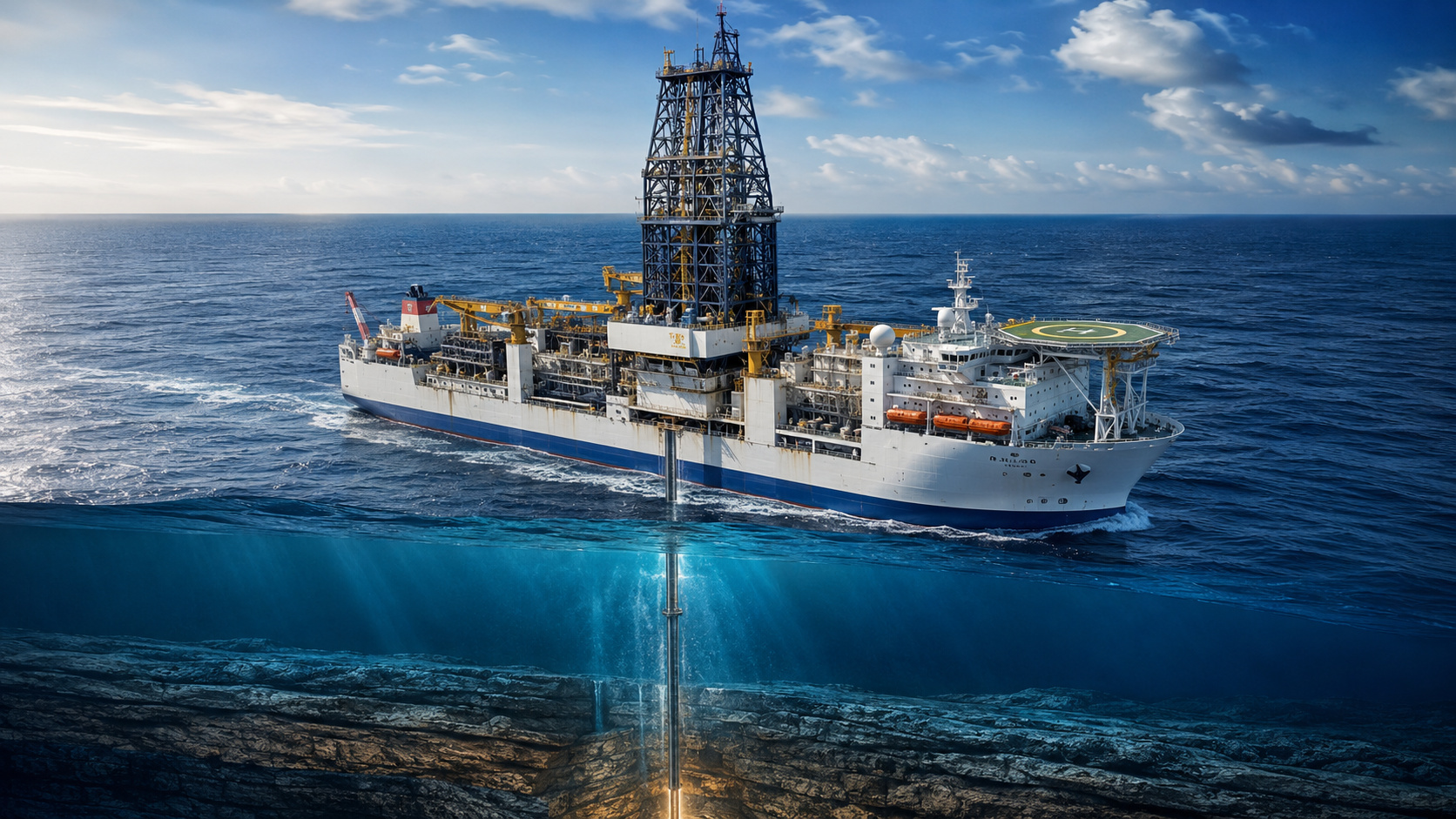
The offshore market in 2024 is booming, with a growing demand for mariners willing to embark on long and exhausting shifts, such as 60 days of work followed by 60 days off. This trend reflects not only the dynamism of the sector but also a significant challenge for those who are part of this industry.
The promise of high salaries has been a strong lure for many professionals, especially due to the high number of companies hiring, which you can check out here. However, it is imperative to question: is it worth earning more at the expense of reduced quality of life and possible detriments to mental health?


The Heating of the Offshore Market and the Search for Mariners
The offshore sector is on the rise, with companies tirelessly seeking qualified mariners to fill positions that require long periods at sea. The fierce competition among companies has led to an increase in salaries offered, making the maritime sector attractive for many. However, the attractiveness of the salary comes with working conditions that require careful evaluation.
-
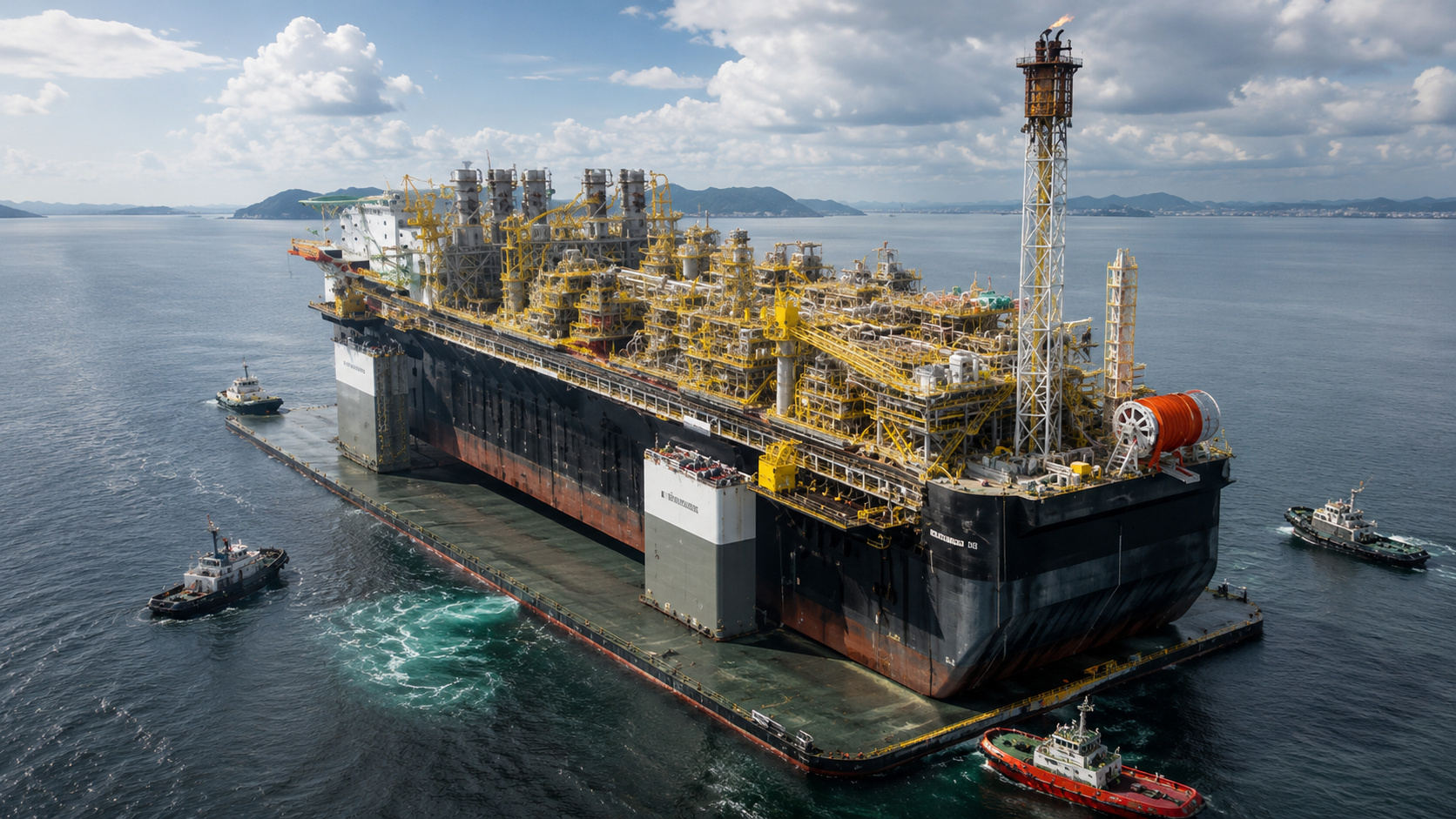
Giant Ship Appears to Sink as It Takes on Water to Load 91,000-Ton Platform from China to Rio de Janeiro

-
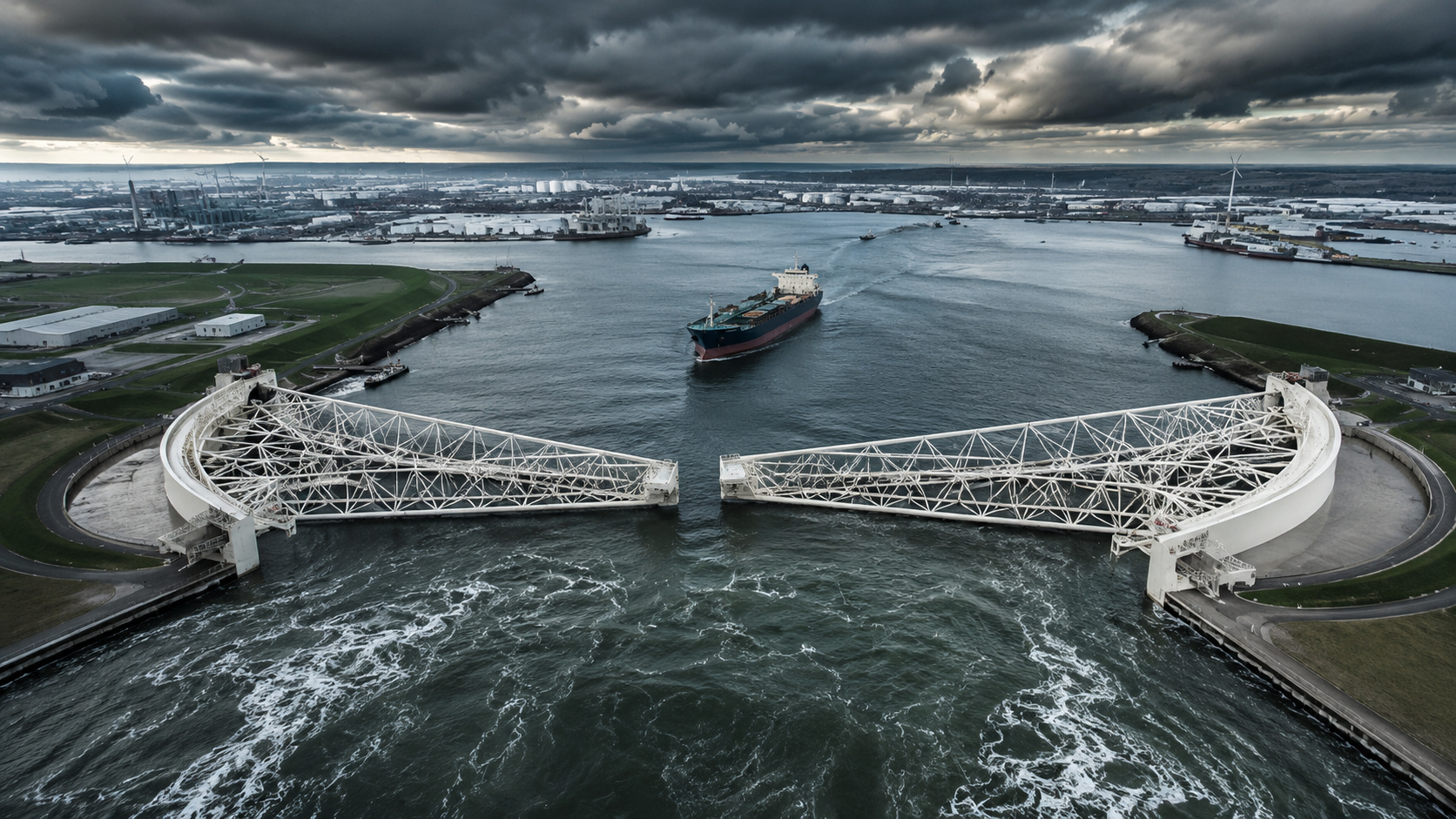
Giant Floating Gates Protect Rotterdam from Rising Sea Levels at One of Europe’s Largest Ports
-
Chinese Ship Elevator Lifts Vessels 113 Meters in 40 Minutes, Bypassing Five Locks
-
Wooden Ship Lost Under Antarctic Ice for 107 Years Found Nearly Intact at 3,008 Meters Depth, Filmed by Robots Without Human Contact


The Weight of the Choice: Salary Versus Quality of Life
The decision to work long and exhausting shifts for higher salaries involves important considerations beyond financial compensation. The quality of working conditions, food and leisure on board, time away from family, and the intense routine are crucial aspects that directly affect the quality of life for mariners.

Social isolation, forced interaction with people from different cultures and languages, and the difficulty of managing personal matters while at sea are factors that can negatively impact mental health and overall well-being. The question that arises is: does a higher salary justify sacrificing these aspects of life?
The Importance of Mental Health and Well-Being
Mental health is a vital component of quality of life, especially in high-stress professions like those found in the offshore market. The impact of long working periods under harsh conditions can be profound, affecting not only the individual but also their family and social relationships. Therefore, it is essential for mariners to assess whether the financial benefits outweigh the emotional and physical costs involved.
Finding the Balance
The key for professionals in the maritime sector is to find a balance between compensation and quality of life. This may mean prioritizing opportunities that offer better working conditions, more time with family, and adequate support for mental health, even if it involves slightly lower salaries.
Offshore companies play a fundamental role in this process, needing to recognize the importance of providing a healthy and sustainable work environment. Investing in the well-being of workers is not only an ethical issue but also a crucial factor for productivity and talent retention.
A Personal Choice, Along With Its Consequences
The choice between a higher salary and better quality of life is complex and highly personal. However, it is crucial for mariners to make this assessment considering all aspects of their lives, not just financial ones. Finding a balance between compensation and well-being may not be easy, but it is essential for a sustainable career and a fulfilling life in the dynamic and challenging offshore market.
*Questions Raised by Tiago Leonir Flor, 2nd Machine Officer