Portuguese
  Spanish


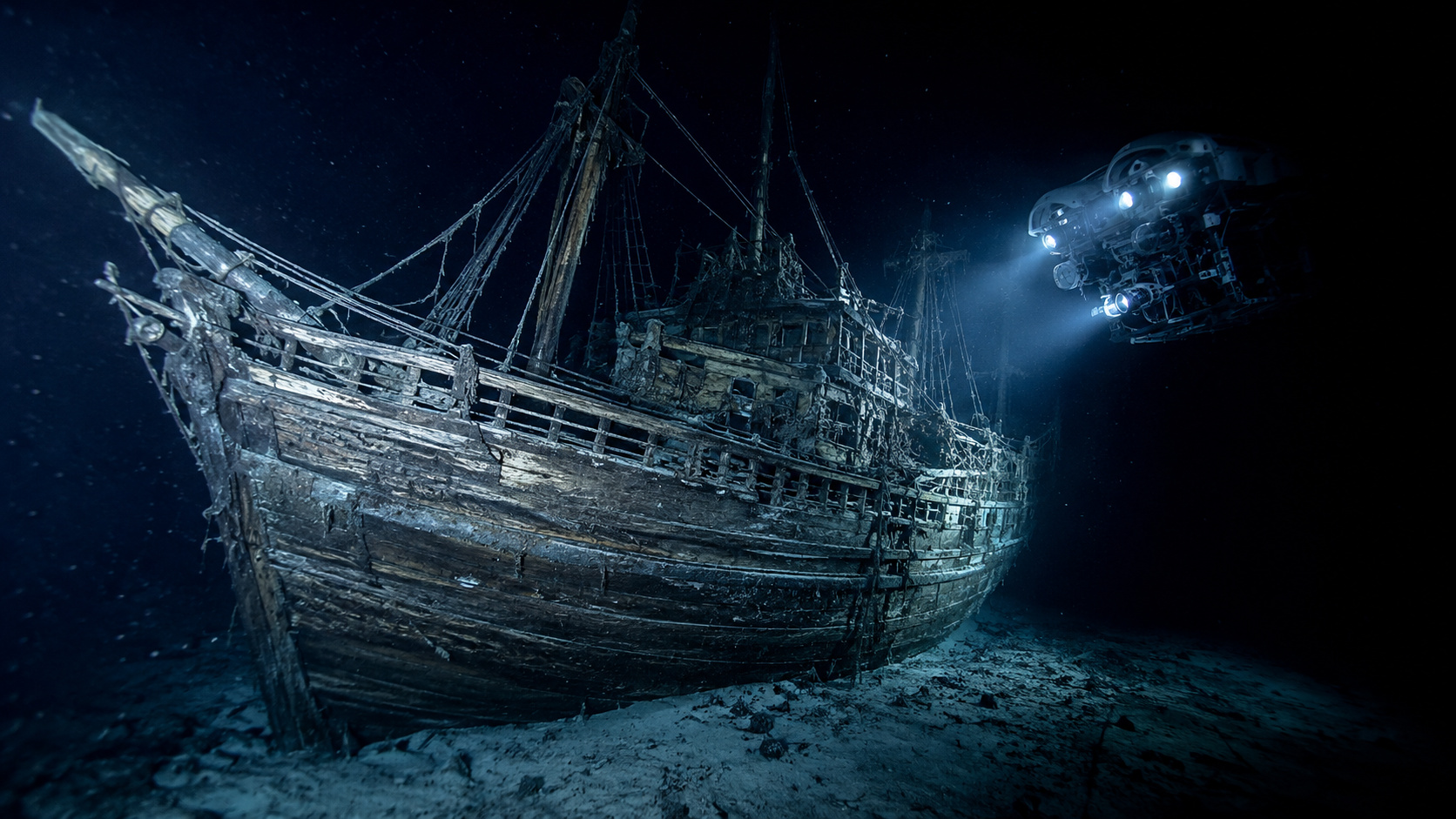

The Endurance ship was located in the Weddell Sea at 3,008 meters, filmed by underwater robots and preserved at the ocean floor by rules that prevent any contact with the hull and its objects
The Endurance ship was located in 2022, after spending 107 years hidden under the Antarctic ice. The wooden hull appeared at a depth of 3,008 meters in the Weddell Sea, where it sank in 1915.
The information was released by the Falklands Maritime Heritage Trust, an entity dedicated to preserving historical maritime heritage. The discovery revealed a very well-preserved vessel, upright, with hull details still visible.
The operation drew attention because it did not involve divers, cranes, or the removal of objects. Underwater robots reached the wreck, took images, and recorded the structure without anyone touching the hull.
-
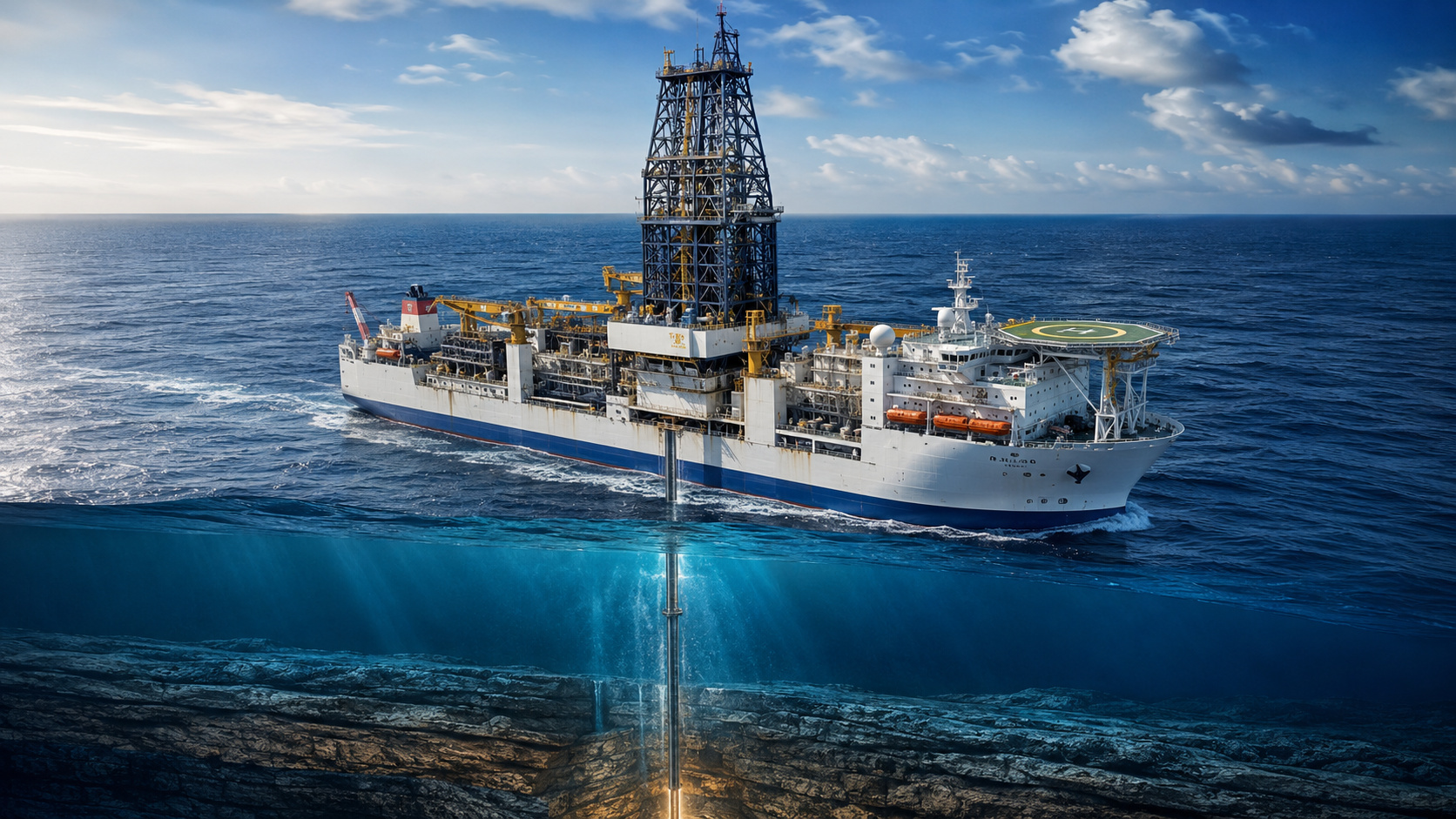
Japanese Ship Transforms into Floating Lab, Drills 7,740 Meters Below Sea to Study Earthquake Zones

-
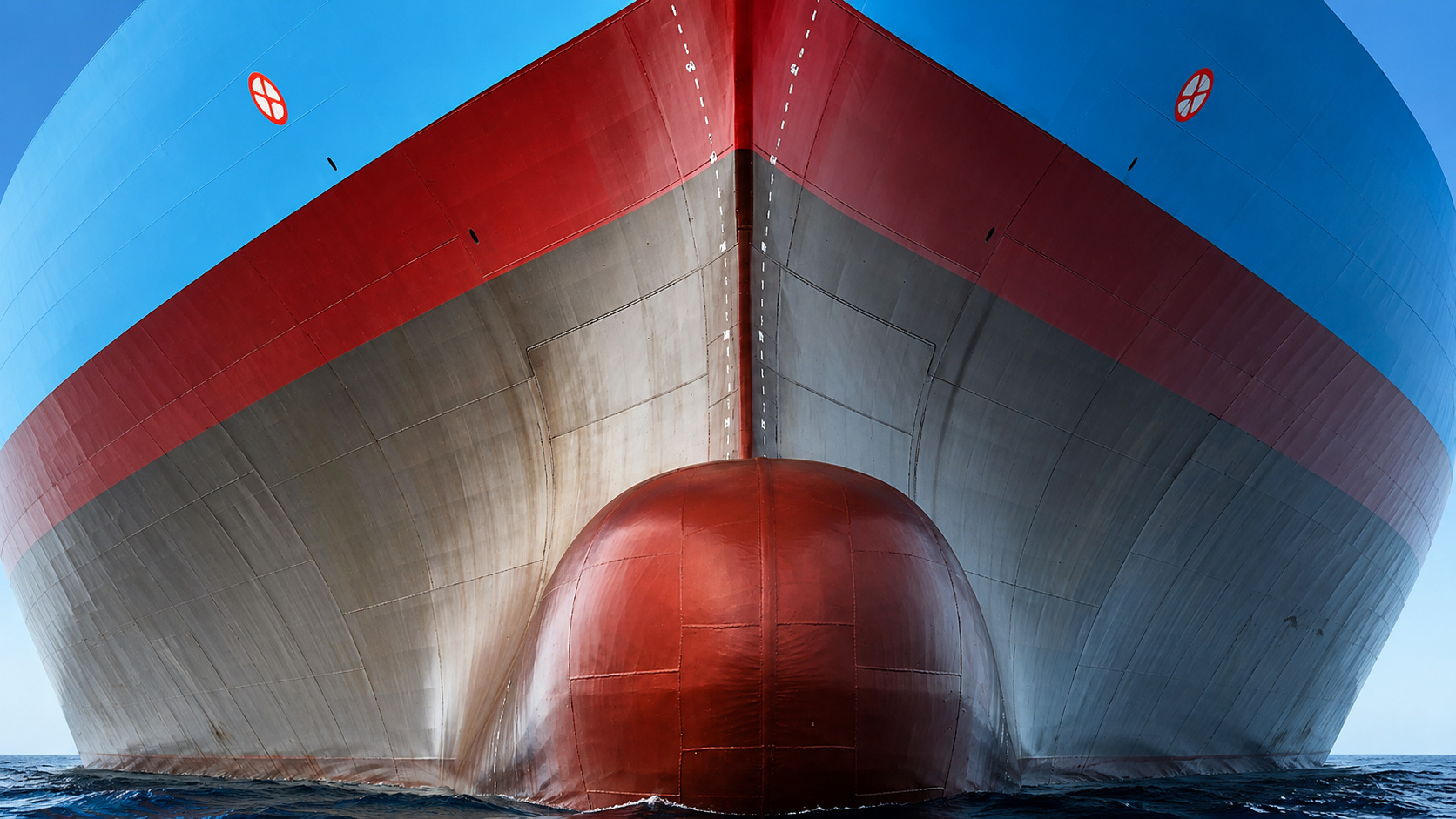
Ships Use Bubble Technology Under Hulls to Reduce Water Resistance and Lower Emissions
-
Tanker Ship Installs Onboard Factory, Captures 78% of CO2 Emissions in Test and Stores Gas in Large Tanks
-
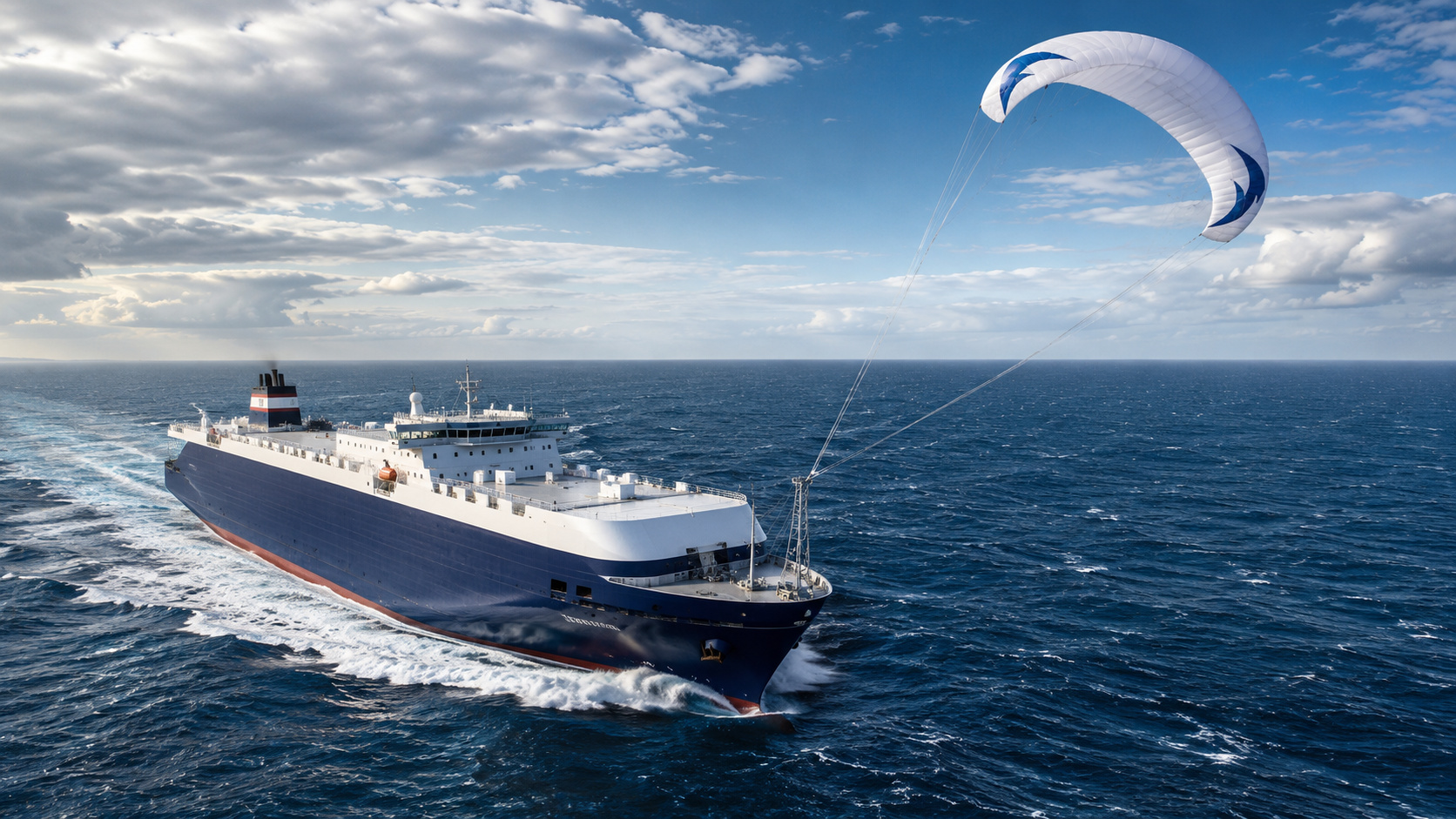
A 500 m² Automated Kite, Larger Than Many Apartments, Helps Propel Airbus Cargo Ship, Reducing Fuel Use
Underwater robots reached where divers cannot operate
The search for the Endurance ship used Sabertooth vehicles, underwater robots prepared to traverse the seabed. They were equipped with cameras and devices capable of mapping very deep areas.
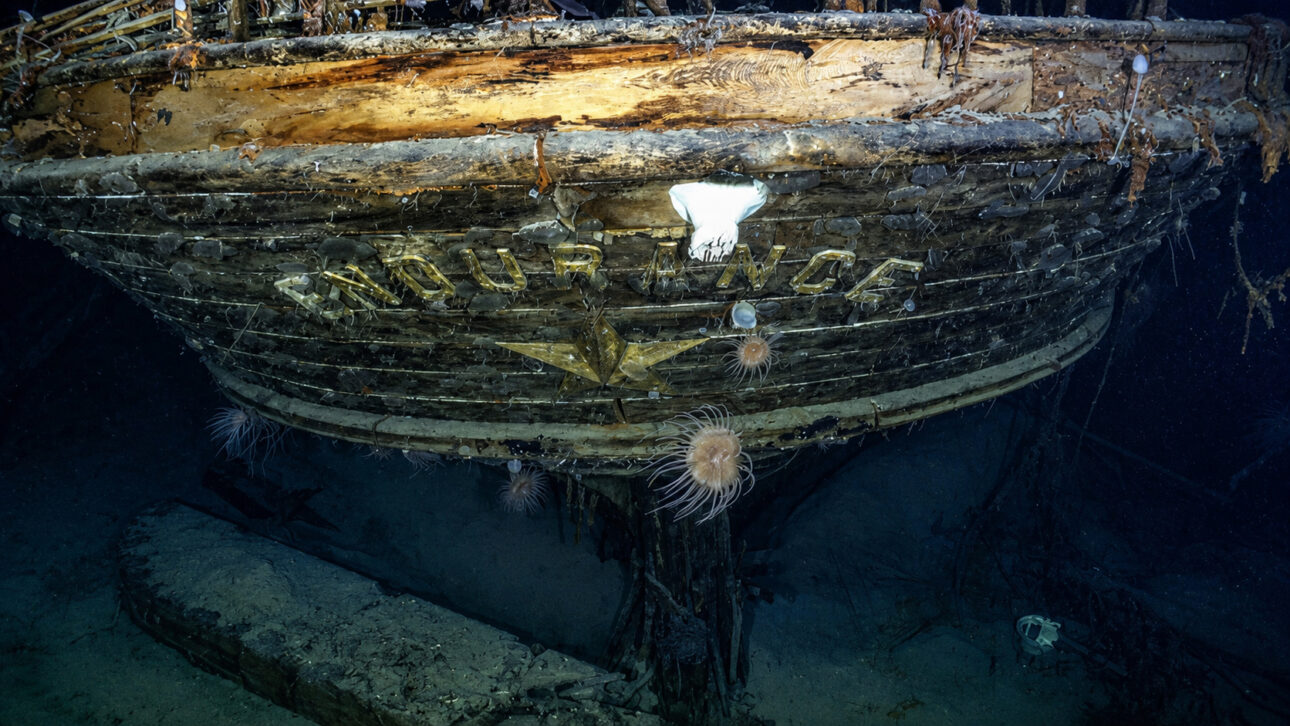
The equipment carried high-definition cameras and sensors that formed side images of the ocean floor. This helped the team identify the shape of the hull amidst the darkness and the uneven seabed.
In a region so far from the surface, any failure can end an operation. The robots reduced this risk because they conducted the search without exposing people to a depth impossible for divers.
Ice, darkness, and depth made the search for the Endurance more difficult
Finding a wreck in Antarctica requires dealing with moving ice, extremely cold water, and little room for navigation. The support ship needed to work in a sea where ice can limit the path and make it difficult to remain in place.
The depth of 3,008 meters also increased the challenge. The robots needed to descend to the seabed, locate the hull, and produce clear images before returning with the mission data.
The Endurance was not in an easy area to observe or reach. The search relied on planning, sturdy equipment, and precise reading of the ocean floor to avoid the expedition searching in the wrong spot.
Extreme cold helped preserve the wooden hull for over a century
Sunken wooden ships often suffer damage caused by animals and other elements of the seabed. The Endurance remained in a very cold, dark environment that was not conducive to the presence of wood-consuming creatures.
The absence of wood-boring animals contributed to the hull reaching the encounter in a rare state of preservation. The icy Antarctic water also helped slow the natural wear of the vessel.
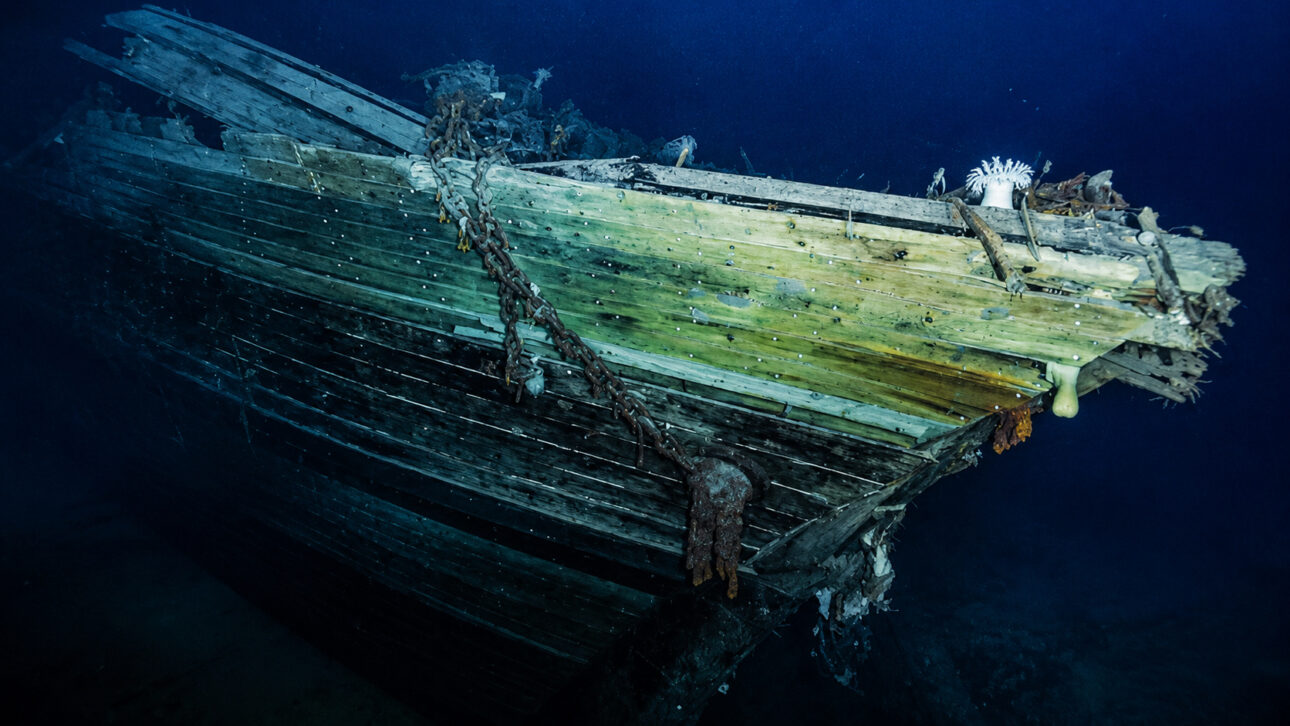
The result is a shipwreck with recognizable parts even after 107 years on the ocean floor. Nevertheless, the good appearance of the hull does not mean it can be touched or removed from the water without risk.
Images and laser scanning recorded the ship without touching the wood
After locating it, the robots conducted a detailed survey of the Endurance. A laser scanning device helped create a digital model of the wreck, showing the shape of the hull and its position on the seabed.
The team also used photogrammetry, a technique that combines many photos to form a complete image of an object or environment. This record allows observing details of the ship without pressing the wood, moving objects, or altering the surrounding area.
The images became a sort of digital archive of the wreck. They can assist future observations, comparisons, and studies without requiring physical contact with a structure that remains fragile.
Antarctic Treaty protects the Endurance and prevents removal of pieces
Endurance22, the international expedition that located the wreck, recorded that the Endurance is protected as a historic site and monument by the Antarctic Treaty. The rule prevents the hull from being touched, disturbed, or having objects removed during filming and surveys.
In practice, the protection keeps the vessel at the same point where it was found. Researchers can observe, film, and create digital records, but they cannot change the ship’s position or bring pieces to the surface.
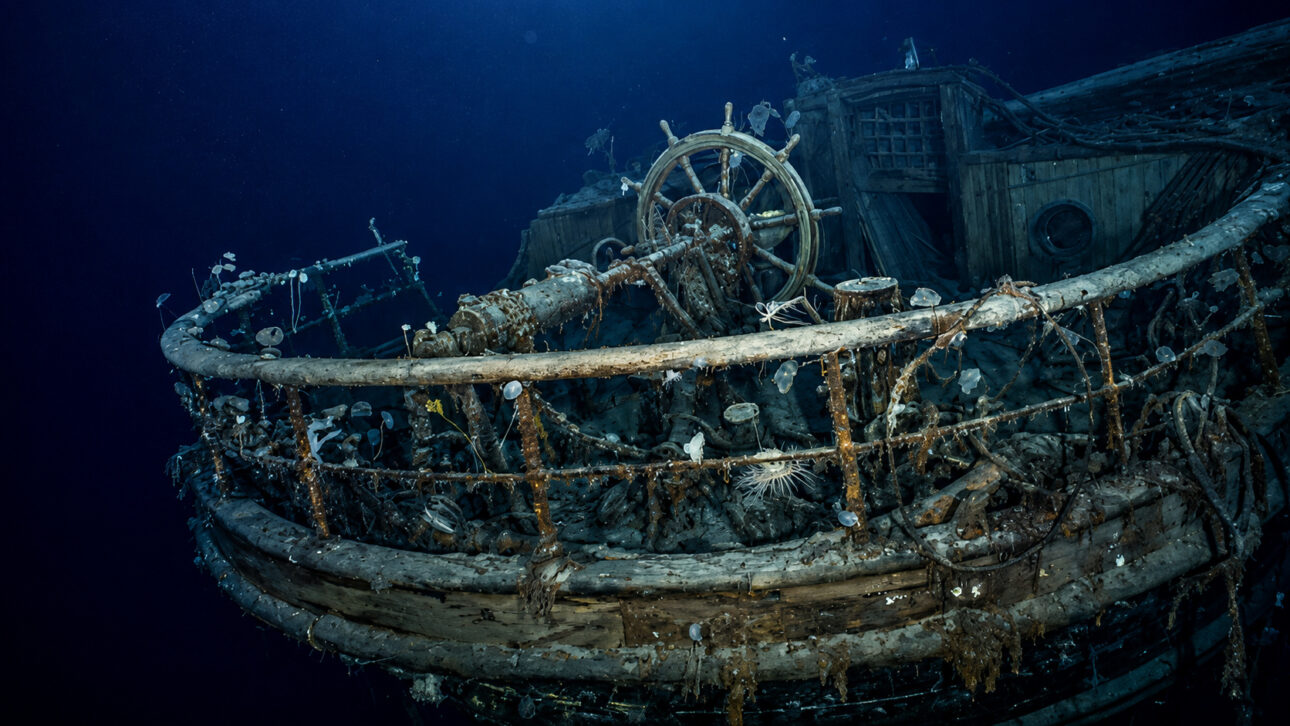
This decision prevents the interest in the discovery from causing damage to the hull. The site continues to be treated as a historical heritage, even being thousands of meters below ice and water.
Submarine search shows how technology can study shipwrecks without destroying history
The finding of the Endurance shows that underwater exploration does not depend solely on locating a point on the map. Robots, cameras, sensors, and laser scanning allow observation of ancient structures in regions where human contact would be risky or harmful.
In the case of the Endurance ship, technology preserved two important parts of the discovery: the wooden hull and the information it still holds. Each image helps to tell the story of the vessel without moving anything from its place.
The Endurance disappeared in 1915 and reappeared in 2022 as one of the most well-preserved wooden shipwrecks ever recorded in deep waters. The hull remains in the Weddell Sea, protected and away from any physical contact.
The discovery also shows that technology can reach extreme places without turning a historical heritage into a collection of objects removed from the seabed.
Do you prefer that a historical ship remains protected at the bottom of the sea or that parts of it are removed for study? Leave your opinion in the comments and share this discovery.