






 Portuguese
  Spanish





More Than 3.4 Million Young People Between 14 and 24 Are Already Receiving the Benefit of Pé-de-Meia, Which Can Yield Up to R$ 9.2 Thousand in High School, But 80% Attendance in Classes Is Mandatory to Keep the Withdrawal.
The Pé-de-Meia Program will have a new release of funds in September, benefiting young people aged 14 to 24 enrolled in public high school and EJA. Created in 2024 by the federal government, the program works as an educational savings plan and can guarantee up to R$ 9.2 thousand by the end of the school stage, provided that students meet attendance and performance requirements.
The initiative was developed to combat school dropout and increase the conditions for low-income students to stay in classrooms. Payments are made automatically by Caixa Econômica Federal, in accounts opened in the student’s name, without the need for manual registration.
Who Is Entitled to the Benefit
The Pé-de-Meia Program caters to students in public high schools and the Education of Young People and Adults (EJA). To participate, it is necessary to:
-
Eco Invest Auction Aims to Unlock $10 Billion in Investments, Focusing on Green Fertilizers, Critical Minerals, Batteries, and AI for Clean Industry in Brazil

-
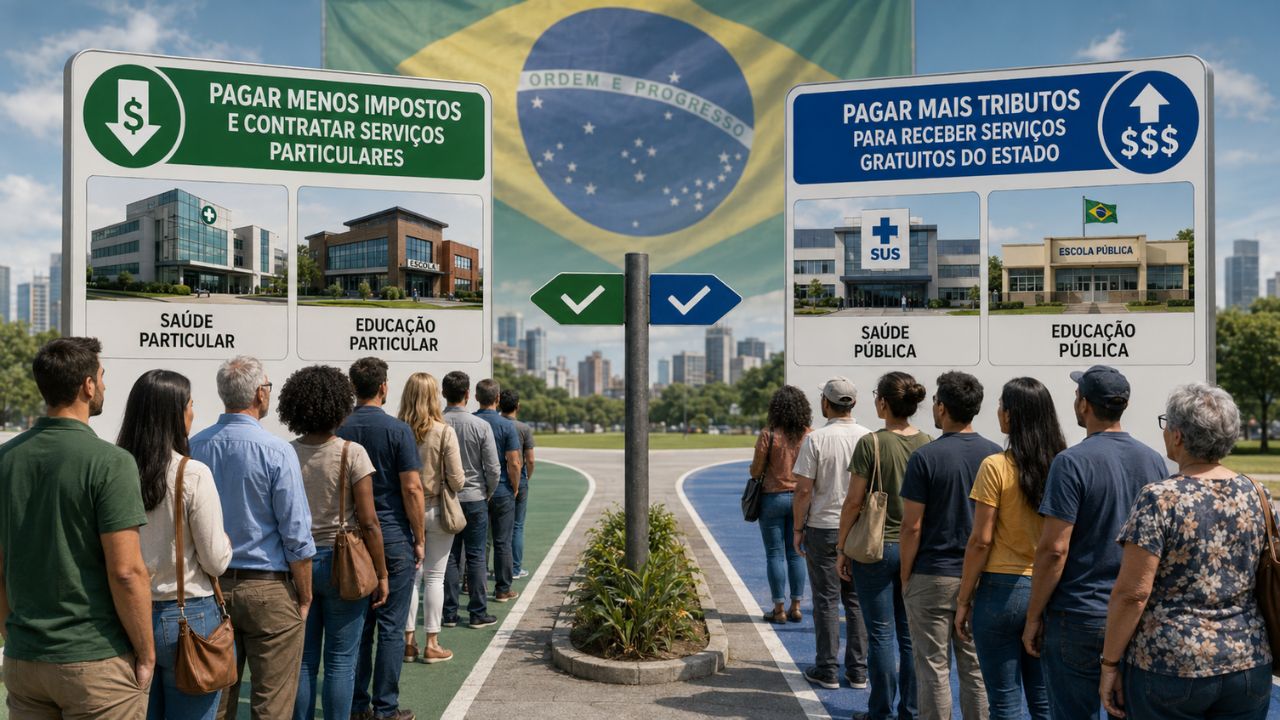
Half of Brazilians Prefer Lower Taxes with Private Health and Education, While 44% Opt for Higher Taxes for State-Provided Services, Datafolha Survey Reveals

-
Brazil’s Most Expensive Toll Rises to R$ 40.60 on Route from São Paulo to the Coast, Nearly Matching Bus Fare to Santos

-
As Brazil Expands Social Welfare, Survey Reveals 40% Blame Poverty on Laziness, While 58% Cite Lack of Opportunities




- Be between 14 and 24 years old.
- Be registered in the CadÚnico (Single Register for Social Programs).
- Have a family income per capita of up to half a minimum wage.
- Maintain a minimum school attendance of 80% in classes.
Another requirement is to have an active CPF, as the payment occurs directly in a digital savings account opened by Caixa. Young people over 18 can manage the money through the Caixa Tem app, while minors need authorization from their legal guardians.
How Much Each Student Can Receive
The program is structured in four types of financial incentives:
- Enrollment – amount paid at the beginning of the school year.
- Monthly Attendance – R$ 200 per month, conditioned on a minimum attendance of 80%.
- School Performance – bonus for those who meet established goals.
- Completion of High School – additional payment at the end of the cycle.
By adding all the benefits, the student who meets the criteria can accumulate up to R$ 9.2 thousand during the three years of high school. This amount can be used both to cover personal expenses and as support for the transition to higher education or the job market.
When It Will Be Paid in September
In September 2025, the Pé-de-Meia Program will carry out the sixth release of the year, benefiting students born in September and October. Payment will be completed by October 1st, following the official calendar published by the government.
More than 3.4 million young people are already receiving the benefit across the country. The expectation is that the measure will contribute to reducing educational inequalities by providing immediate financial support and encouraging the completion of studies.
Expected Impacts for the Future
Experts highlight that the Pé-de-Meia Program goes beyond income transfer: it is a strategy for human capital formation. By providing resources for students to stay in school, the government aims to increase the educational level of the population and, in the long term, qualify the Brazilian workforce.
On the other hand, the requirement for minimum attendance and performance can be a challenge for students in conditions of greater vulnerability. Still, the program is seen as one of the most comprehensive recent instruments of educational incentives in the country.
And you, do you think the Pé-de-Meia Program will really reduce school dropout and prepare young people for the future? Do you know someone who is already receiving the benefit? Leave your opinion in the comments — we want to hear from those who live this reality up close.





Boa tarde….Se esse programa é um incentivo para os estudantes, era pra dar direito ao aluno no ato da matrícula ,pois ele não recebe e tem outros que recebem,conheço pessoas que não tem bolsa família e recebe,aí nao dar pra entender,pois quem estuda são eles né verdade??
Oiii Boa Tarde , já passei dessa fachetaria de idade , por nem o cheiro desse dinheiro irei vê.lo
Minha filha precisando tanto frequenta as aulas é uma das melhores alunas e nunca recebeu.ela fica triste porque muitos recebem lá na escola e ela não
Meu filho a mesma coisa .
Ta tudo ok com os dados dele e não recebeu nenhuma parcela.
Bom dia, já foi na caixa pra ver que meu neto foi assim agente pensava que não recebia já tinha vários meses lá aí só foi.libera lá na caixa econômica e sacou
Vai trabalhar.