Portuguese
  Spanish


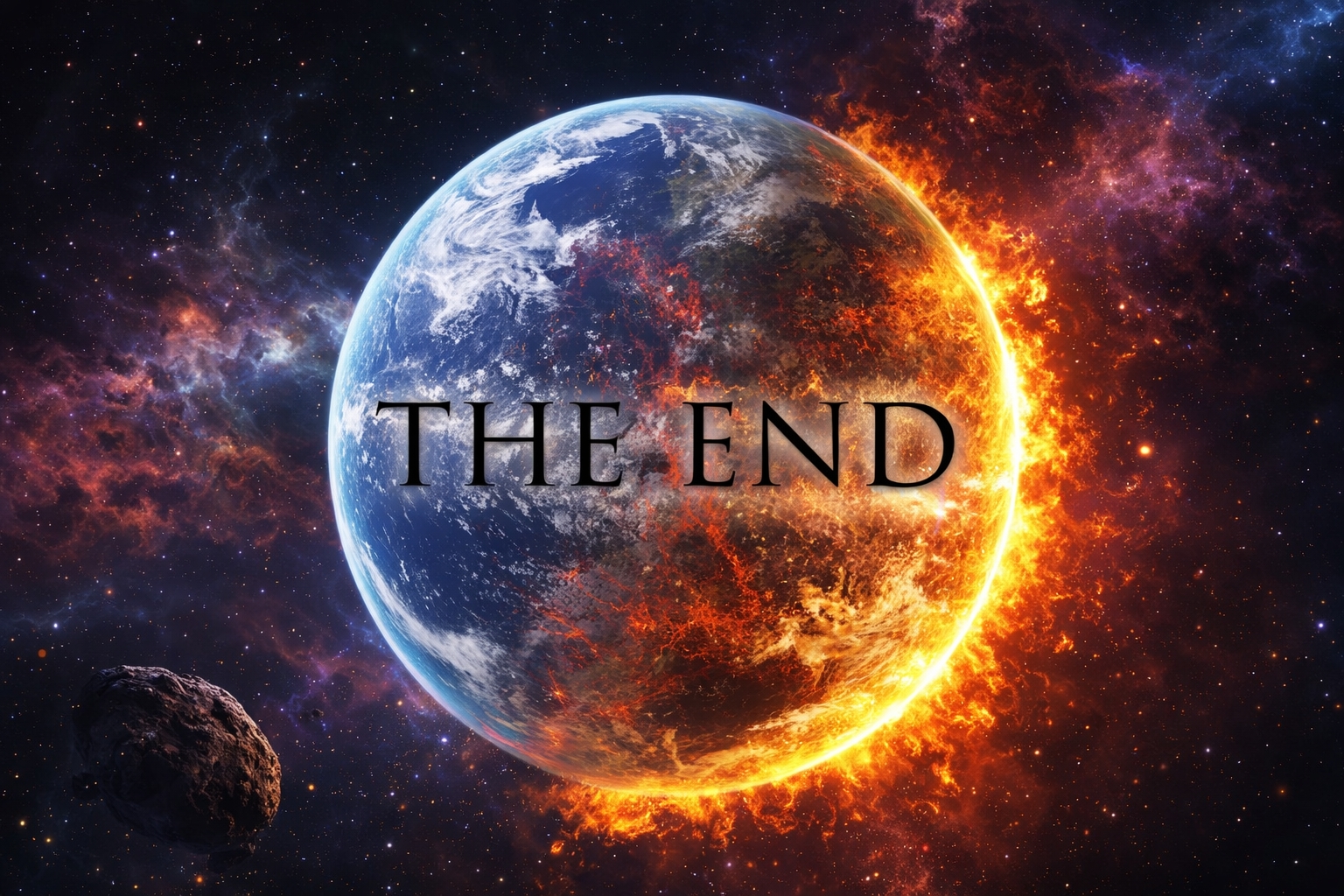


Study Conducted by Researchers at the University of British Columbia Reveals That 28.9 Percent of the Population Believe the World Could End During Their Lifetime, a Perception That Influences Debates About Climate, Energy, Technology, and Global Risks
Nearly one in three Americans believes that the world could end within this generation. This statistic seems like it came out of a science fiction script, but it comes from real research that analyzed the views of thousands of people in North America.
The study surveyed 3,400 participants in the United States and Canada and revealed something that caught the attention of scientists and global risk analysts. For a significant portion of the population, global threats are not a distant problem.
They are seen as events that could happen within the next few decades. This perception, according to researchers, directly influences how many people view issues related to climate, energy, technology, and international security.
-
Bruno Guimarães, 28, Misses Crucial Penalty Against Norway in World Cup After Replacing Vinicius Jr.

-
Inspired by a school lesson on Africa’s water crisis, a young boy raised money through chores to fund a well that transformed a Ugandan community.

-
Brazilian Construction Worker Moves to France, Earns Up to €2,500 Monthly with Home Renovations, Gains Social Media Attention

-
US Navy Sinks USS Oriskany with 230 kg of C-4, Creating World’s Largest Artificial Reef in 37 Minutes




And when millions of people think this way, the impact can reach important debates about the future of industry, science, and engineering.
The Study That Investigated How Millions of People Assess Global Risks Linked to Climate, Technology, and International Security
The research was conducted by scientists from the University of British Columbia in Canada, aiming to understand how the population reacts to major global threats.
Participants answered a series of questions about risks that frequently arise in scientific and industrial debates. Among them were climate change, potential nuclear conflicts, and other challenges that could affect the future of humanity.
Researchers analyzed three main aspects of the responses. The first was risk perception, meaning how much each person believes a threat could actually happen.
The second involved risk tolerance, indicating the extent to which someone is willing to live with a danger even when aware of the potential consequences.
The third assessed support for measures considered extreme to try to avert global catastrophes.
It was within this set of questions that one of the most talked-about numbers of the study emerged. 28.9 percent of respondents claimed to believe that the world could end during their own lifetime.
Young People Show Greater Concern for the Future of the Planet, While Religious Beliefs Exhibit Different Patterns
By cross-referencing responses with demographic data, scientists found interesting differences among population groups.
Among younger participants, the belief that the world could, therefore, end within this century appeared more frequently.
As age increases, this perception tends to decrease. However, the study identified exceptions related to religious factors.
Among evangelical Protestants, for example, this belief does not diminish over time. In some cases, it remains constant throughout life.
Among Muslim participants, researchers observed that the perception of a possible end of the world may even grow with advancing age.
Other factors had much less influence. Data such as income, political position, ethnicity, and gender explained only a small portion of the differences in responses.
When People Believe Global Threats Are Caused by Humans, Support for Radical Decisions Increases
An important part of the research analyzed how people would react to real threats that could affect the future of humanity.
Respondents were asked about their support for measures considered, therefore, extremely drastic to try to prevent global disasters.
According to researchers, the response varied considerably depending on the cause of the problem.
When participants believed that humans themselves are responsible for the threats, such as in the case of climate change or technological risks, support for more radical measures increased.
However, when the origin of a possible disaster was associated with divine or supernatural forces, support for such actions decreased.
This behavior demonstrates how cultural and religious beliefs can influence decisions regarding scientific and industrial issues that involve significant risks.
Five Factors Explain Why People Interpret Global Threats So Differently
Upon analyzing all responses, researchers identified five main factors that shape how each person reacts to global risks.
The first is linked to the sense of proximity to danger. The closer the risk seems, the more concern tends to be.
Another factor involves the belief about who is responsible for the threat, whether it is human action or external forces.
The perception of control also plays a significant role. People who believe they can influence the outcome often support more intense solutions.
The study also examined the role of religious or supernatural explanations.
Finally, researchers considered the expectation regarding the final outcome of the event, which can be viewed as positive or negative depending on each person’s worldview.
These elements help explain why different groups interpret global challenges in such distinct ways.
Why Scientists Say Understanding These Beliefs Can Influence Policies on Energy, Climate, and Technology
According to the study’s authors, understanding these worldviews can become increasingly important.
Current global challenges involve strategic areas such as energy, climate, artificial intelligence, and nuclear security. All require political decisions and large-scale investments.
When part of the population believes that the world could end soon, the way these individuals assess risks and solutions may change.
Experts claim that understanding these cultural perceptions helps improve scientific communication and the development of public policies.
In a planet facing increasingly complex technological and environmental challenges, understanding how different groups view the future can help build consensus around solutions.
The research drew attention precisely because it showed that beliefs about the fate of humanity can influence debates about some of the greatest challenges of modern science and engineering.
If this data surprised you, share your opinion in the comments. Do you believe that societal perception of global risks can influence decisions regarding energy, technology, and the future of the planet?