






 Portuguese
  Spanish


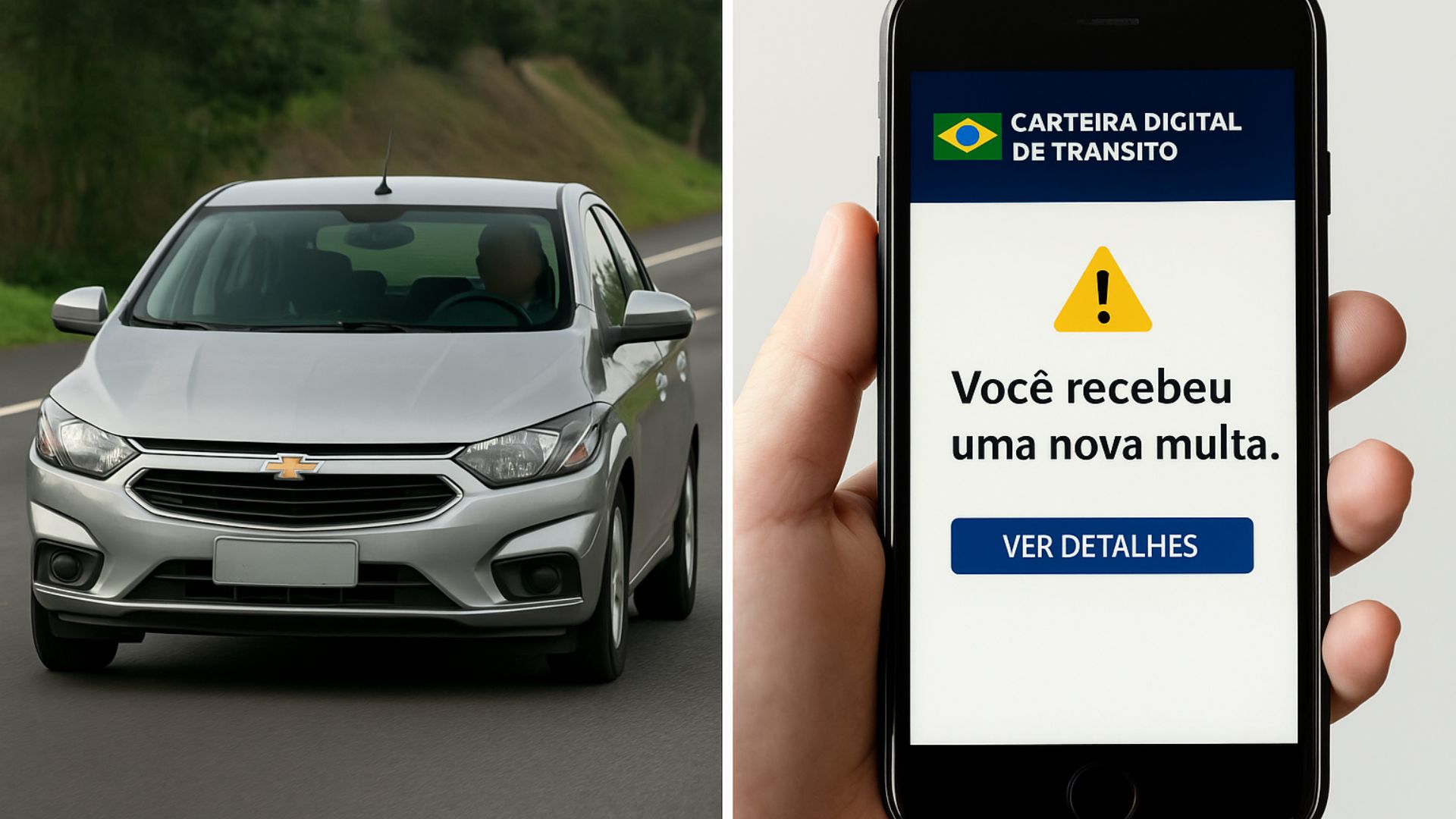

Four Points on the CNH and a Fine of R$ 130: The Detail Ignored by Many Drivers on Highways May Surprise in 2025
Update on the Headlight Law Redefines the Rules for Using Low Beams on Highways and Keeps the Penalty of Four Points on the CNH. Understand the Differences Between Headlights and DRLs and How to Avoid Fines on the Roads.
Drivers traveling on highways should be aware of a rule that remains in effect and has resulted in fines.
An update to the so-called “Headlight Law” — enacted in 2016 and modified by Law 14.071, of 2021 — maintains the obligation to use low beams during the day on certain roads.
Failure to comply is considered a medium violation, results in four points on the National Driver’s License (CNH), and a fine of R$ 130.16, according to the Brazilian Traffic Code (CTB).
-
Brazil’s 2026 Tax Refund: Record 9.58 Million Filers in Largest Payout Ever, But a Key Detail on Priority Recipients Draws Nationwide Attention

-
Itaú Alters Hybrid Work Model, Increasing Office Days from 2028, Prompting Employees to Adjust to New Routine
-
Facing Labor Shortage, Japan Plans to Invest $34 Million to Attract Foreign Workers in Construction, Healthcare, Industry, and Commerce

-
Brazilian City Makes Remarkable Leap, Becomes 4th Wealthiest in the Country with GDP of R$ 134.1 Billion




The rule, according to the Federal Senate, aims to increase the visibility of vehicles and reduce accidents, especially on single-lane highways outside urban areas.
On these roads, the headlights must remain on even in good lighting conditions.
What the Headlight Law Says in 2025
The legal text reinforces that low beams should be kept on during the day on single-lane highways and in conditions of fog, rain, or low visibility, as well as in tunnels, even when illuminated.
On dual-lane highways, where barriers or central medians separate the lanes, the use of low beams during the day is not mandatory, except in cases of reduced visibility.
The distinction seeks to adapt the application of the rule to the characteristics of each type of road.
According to traffic safety experts, the continuous use of headlights during the day improves the perception of vehicles by other drivers and reduces the risk of head-on collisions.
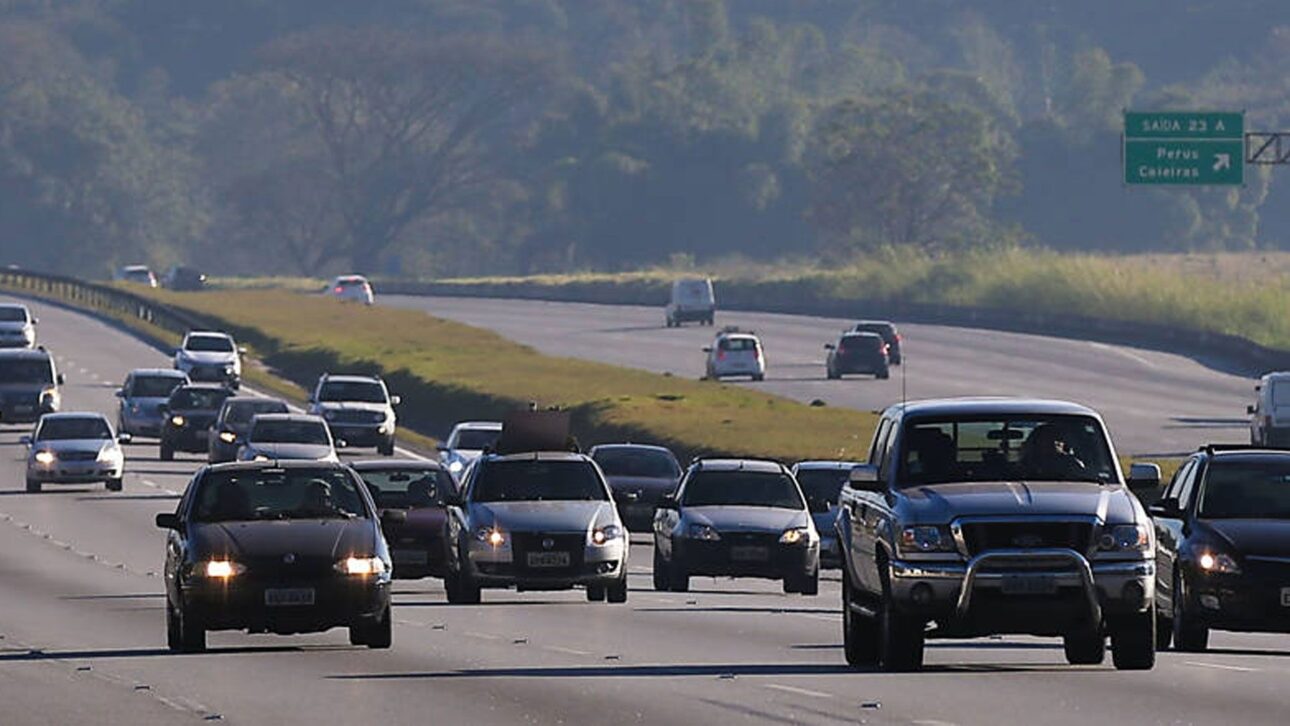
The practice also facilitates the identification of overtaking on narrow roads.
Enforcement and Penalties on the Roads
The failure to comply with the rule is recorded as a medium violation, with a fine of R$ 130.16 and four points on the CNH.
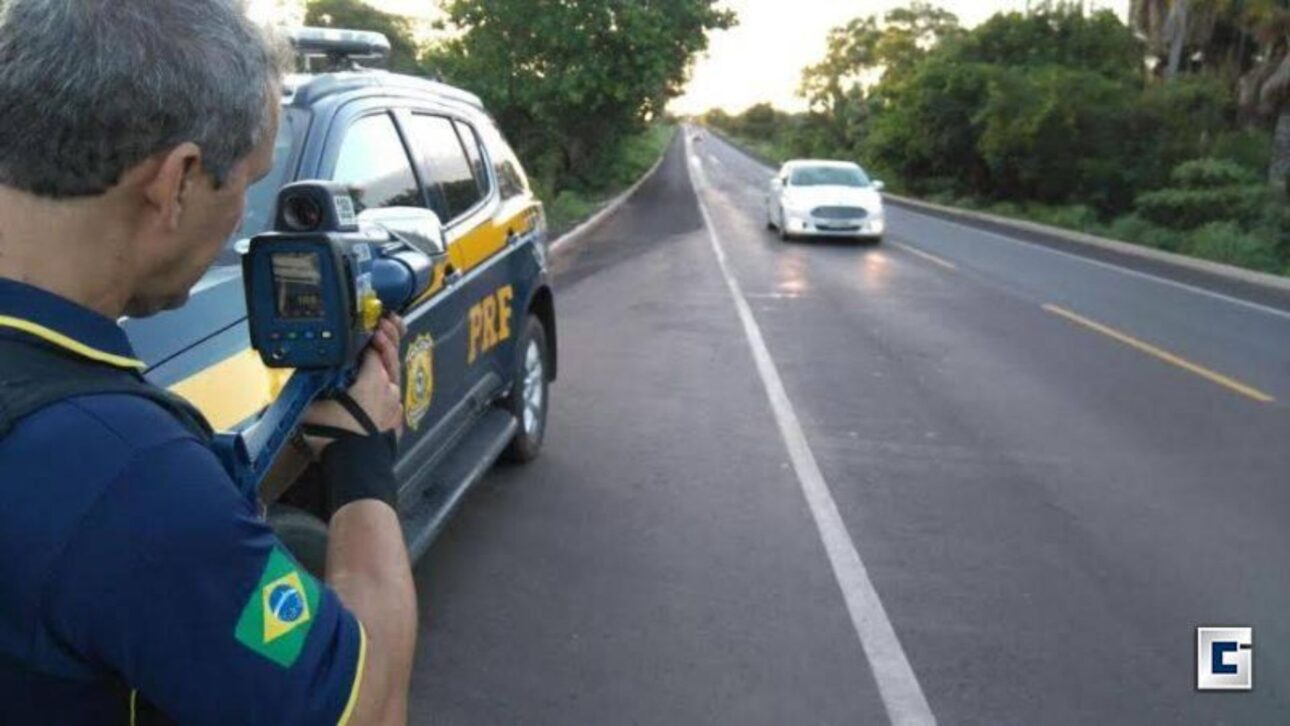
According to traffic authorities, the fine can be issued by road agents or by electronic monitoring equipment installed on federal and state highways.
Experts warn that repeat offenses for medium violations can contribute to the suspension of driving rights, depending on the accumulation of points.
Effects of Low Beams on Safety and Finances
Traffic safety studies indicate that vehicles with headlights on during the day are more easily identified by other drivers.
Research cited by organizations such as the National Traffic Department (Denatran) suggests that visibility can increase by up to 60% in natural light conditions.
According to specialists, in addition to the preventive effect, the practice can reduce indirect costs associated with accidents, which generate losses to the health system and public finances.
From an individual perspective, the amount of the fine may seem low, but the accumulation of violations represents a significant impact over time, especially for those who rely on their vehicle for work.
DRL: The Exception to the Low Beam Rule
Vehicles equipped with Daytime Running Lights (DRL) — the so-called daytime running lights — are exempt from keeping low beams on during the day.
The National Traffic Council (Contran) considers that the system already fulfills the function of improving the frontal visibility of the vehicle.
The exception, however, is only valid if the DRL is fully operational.
If the lights are burned out or deactivated, the driver can be fined just like someone driving without their headlights on.
Automotive maintenance technicians recommend periodically checking the system to avoid issues and ensure compliance with the rule.
Maintenance and Care of the Lighting System
Keeping the lighting system in good condition is essential for complying with the legislation and ensuring safety.
Specialized workshops advise drivers to:
- Check the condition of the bulbs and replace them immediately if worn.
- Clean the lenses of the headlights to avoid loss of brightness.
- Adjust the alignment of the headlights, preventing glare to other drivers and ensuring correct illumination of the road.
According to mechanics consulted by sector organizations, small faults — such as accumulated dirt or misaligned bulbs — can compromise the effectiveness of the lighting and increase the risk of accidents, especially on nighttime trips or in fog.
Education and Awareness About Headlight Use
Traffic authorities and organizations linked to traffic safety emphasize that complying with the Headlight Law is directly related to raising driver awareness.
Educational campaigns promoted by state departments and the Ministry of Transport highlight that the proper use of headlights is a public safety measure, not just a legal requirement.
Authorities state that the updates to the law are part of a set of actions aimed at reducing accidents on federal and state highways, which still account for a significant portion of serious occurrences in the country.
Misinformation Still Causes Fines
Even after nearly a decade of enforcement, many drivers still have questions about the application of the rule.
According to agents from the Federal Highway Police (PRF), some fines occur due to lack of knowledge of the rule, mainly among drivers who believe that the requirement only applies at night.
Other cases are related to technical problems, such as burned-out headlights or deactivated DRL systems.
Authorities reinforce that ignorance of the law does not exempt the driver from penalties and recommend that drivers pay attention to their vehicle’s conditions before starting a trip.
Compliance With the Law and Safety on the Roads
With the increase in traffic on highways during long holidays and vacation periods, specialists emphasize that the correct use of vehicle lighting is one of the factors that most contribute to accident reduction.
The application of the Headlight Law, according to traffic authorities, should be understood as part of a set of preventive measures — and not just as a punishment tool.
In a scenario of heavy traffic and variable weather conditions, will Brazilian drivers manage to turn the regular use of headlights into a permanent safety habit?








