Portuguese
  Spanish


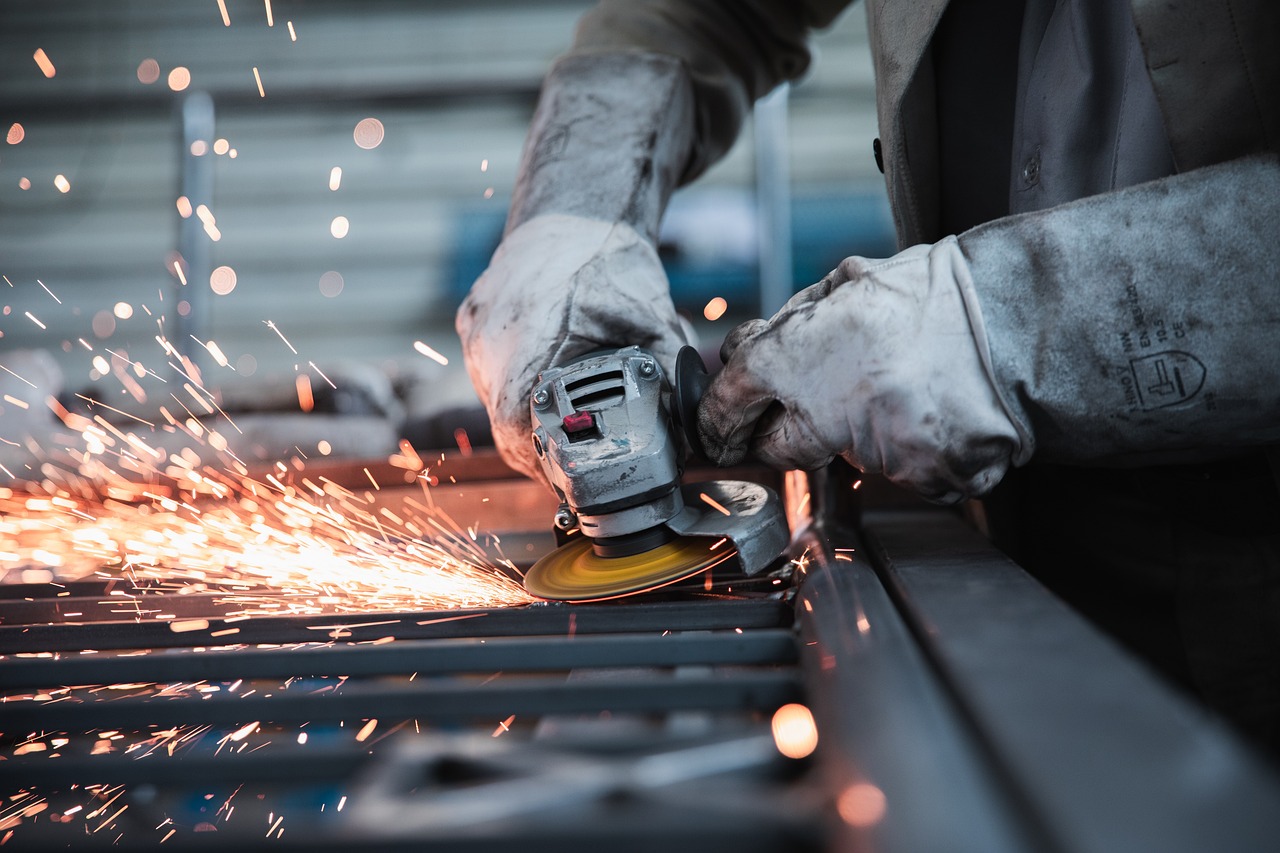


The History of Steel, the Metal That Changed the World, Involves Ancient Civilizations and Technological Advancements That Transformed Industries and Drove Global Development.
Steel is one of the most prevalent metals in modern life. Its lightness, strength, and versatility have made it essential in construction, household items, and infrastructure. However, the history of its invention and evolution is long and filled with discoveries.
What Is Steel
Steel is primarily composed of iron and a small amount of carbon. This carbon is responsible for increasing the hardness and strength of the material. In some types, nickel, chromium, or manganese can be added, making it even more durable and resistant to corrosion.
These characteristics make steel a reliable and ideal material for different applications, from building large structures to simple items like, such as kitchen utensils.
-
Excavation for Solar Park in Germany Uncovers Rare Celtic “Princely Tomb” with Elite Warrior Buried with Gold, Weapons, Etruscan Jug, and Two-Wheeled Chariot in Bad Camberg

-
NOAA Scientists Discover Mysterious, Perfectly Aligned Holes on the Mid-Atlantic Ridge Seafloor, Origin Still Unknown

-
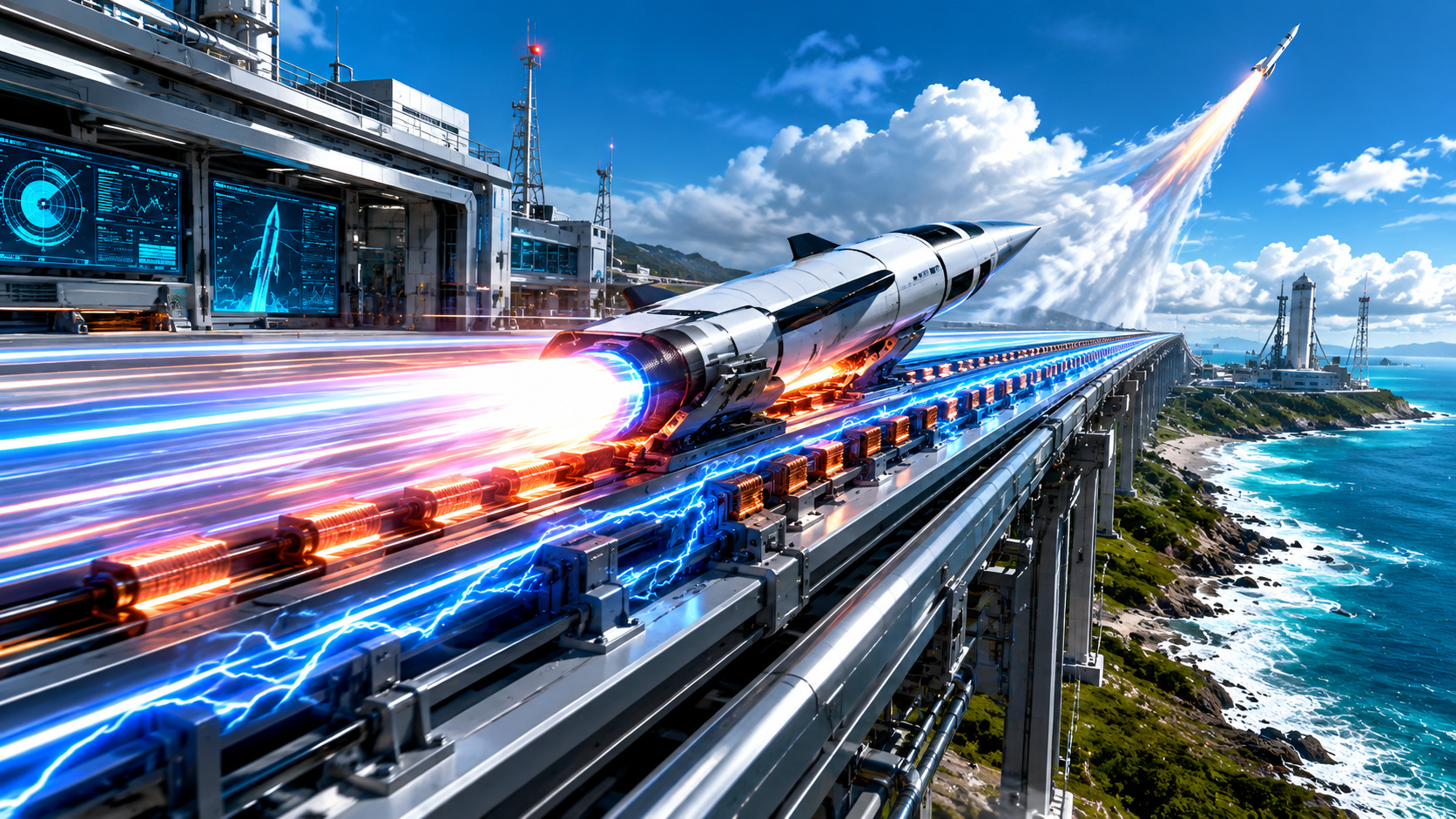
California Startup Develops Giant “Space Sling” to Launch Vehicles at Mach 6, Reducing Fuel Use and Enabling Thousands of Satellite Deployments

-
ChatGPT Alerts FBI to Prevent Planned Murder of 8-Year-Old in Brazil’s Espírito Santo

Its versatility has also allowed the manufacturing process to evolve over time, transforming steel into the most widely used metal on the planet.
The History of Steel: From Ancient Times to the Industrial Revolution
Steel, an essential material in modern construction and industry, has roots that date back thousands of years. Evidence points to the existence of steel artifacts in 1800 BC, but true production began only in the 13th century BC, in the region that corresponds to present-day Turkey.
At that time, steel exhibited variations in the amount of carbon, which affected its strength. High-carbon steel, for example, was very brittle. To solve this problem, techniques such as heat treatment were adopted. This process, which strengthens the metal, was already practiced in Egypt around 900 BC.
Carbon steel, one of the most common types, also has its history. The first to be created was blister steel. This name arose due to the bubbles that formed on the surface of the metal during its initial production. Although most ancient steels contained only iron and carbon, consistent production of carbon steel was not achieved until around AD 500, particularly with Damascus steel and Japanese swords.
The decisive advancement in modern steel production came in the 19th century. Sir Henry Bessemer, an English engineer, developed an innovative process that drastically reduced the cost of the material. His converter, named the Bessemer converter, allowed for the removal of impurities from large quantities of metal, revolutionizing the global steel industry.
Evolution and Impact on Society
The contribution of steel to society began significantly in 1712. In that year, Thomas Newcomen developed the first functional steam engine, fueling the Industrial Revolution.
Later, in 1783, Henry Cort created steel cylinders for mass production. In 1855, English engineer Henry Bessemer introduced the Bessemer process, the first economical industrial method for mass steel production.
In 1865, the open hearth furnace further revolutionized production, allowing for the burning of impurities and excess carbon.
Innovations and Modern Uses
In the United States, steel gained significant attention starting in 1880. It was used in the construction of the first steel skyscraper and the iconic Brooklyn Bridge. In 1912, Harry Brearley invented stainless steel, further increasing the importance of this metal.
After the 1950s, steel became essential for transportation, consumer goods, and various other applications. Currently, there are numerous variants of the material, with different elements added to meet the needs of each sector.
The modern production process involves everything from the extraction of iron ore to the obtaining of the final steel. This process ensures a material with different finishes, which can be shiny or matte, depending on the application and aesthetic preference.
With information from curioctopus and servicesteel.