Portuguese
  Spanish


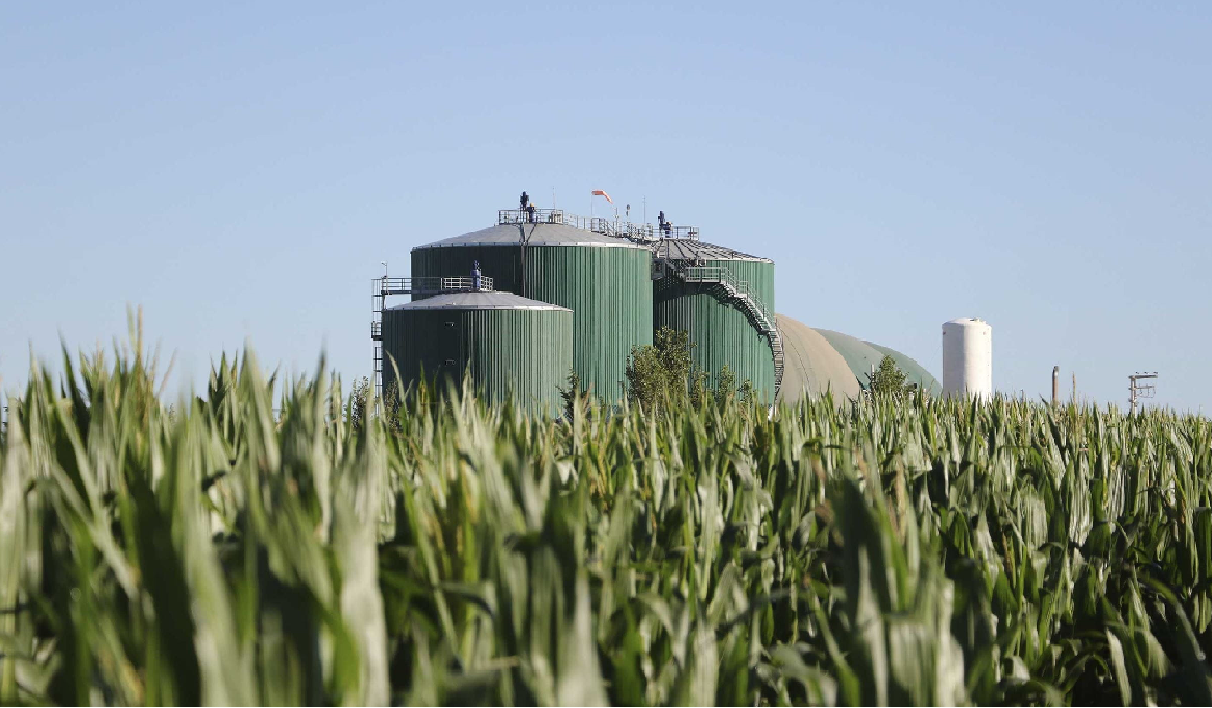

The Group, Which Holds a Milling Capacity of 24 Million Tons of Sugarcane, Will Allocate Investments for Biogas Production
The São Martinho Group plans to make an investment of R$ 160 million in the biogas sector, aiming to expand its productions from sugarcane, reported Felipe Vicchiato, the company’s financial director, during a conference call with analysts and investors held on Tuesday, the 21st. Furthermore, the executive mentioned that he is studying profitable business models and technologies to decide whether the Group will indeed make the investment in the biogas sector by the end of this year.
Regarding the increases in production costs for sugarcane in the coming quarters, Vicchiato states that it is “very difficult to know” if they will remain in the market. For the director, particularly, he does not see fertilizer prices falling in the following year; rather, the opposite occurs, with fertilizer prices usually rising.
He also reports that the company’s strategy for investment in biogas is to depend as little as possible on fertilizers in sugarcane production, making its use and application more efficient. Regarding biodiesel, the executive observes that the price of the biofuel may start to decline as soon as oil begins to register drops. “But, for better or worse, ethanol follows.”
-
Study of Brazil’s Tietê River Finds 25 Pesticides in Water, Including Cancer-Linked Substance Near Source

-
Company Offering “Stones to Diamonds” Scheme Sells Ruined Italian Homes to Brazilians for 1 Euro, Disappears with Promised Renovations, Leaving Buyers in Debt to Italian Tax Authorities Until 2028 Without Property

-
Engie Secures 10-Year Use of 625 MWh in Batteries to Store Excess Solar and Wind Energy in Spain by 2028
-
Plastic Packaging Drives Santa Catarina Industry to 230% Growth, Aiming for R$ 500 Million by 2030 Amid Sector Crisis, with New Gearless Line Expanding in Southern Brazil to Compete in South America


Moreover, the Group’s director indicates that currently the diesel spread is high and rising “much more” than gasoline, not only in Brazil but globally. For Vicchiato, the plants that are far from the Port of Santos need to bear the high freight costs to the locations where they are established.
“It is getting very expensive. In these cases, it is better to produce ethanol. Freight can reach R$ 200, R$ 250 per ton of sugarcane.” For him, the trend is for costs to stop rising in the medium term. “But I don’t know if they will drop that much.”
Biogas and Biomethane Are in High Demand for Investments
The biogas sector, developed from sugarcane, continues to expand rapidly in Brazil. The publication Panorama of Biogas in Brazil shows that in 2017, there were about 271 biogas plants operating in Brazil, of which 51 were new. By 2021, the total number of biogas plants in operation increased to 755, with 102 of them being new.
Based on this same period, the production of biogas made from sugarcane rose from 1.12 billion to 2.35 billion cubic meters in Brazil. However, as it is an extremely attractive energy source from an environmental perspective, being an energy source derived from sugarcane, numerous initiatives and measures have recently been declared to provide the necessary security and further stimulate investments in the sector.
Investments in Biofuels Are Becoming More Favorable
According to Broadcast, the business scenario for investments in the biogas sector is becoming increasingly beneficial. Law No. 14,134/2021 (New Gas Law) and its regulation, Decree No. 10,712/2021, establish that any gas that does not fall within the definition of natural gas as stipulated by the law shall have equivalent treatment, provided that it adheres to the specifications established by the ANP, thus generating legal certainty for businesses and investments that can rely on the legal and regulatory framework for natural gas produced from sugarcane.