






 Portuguese
  Spanish


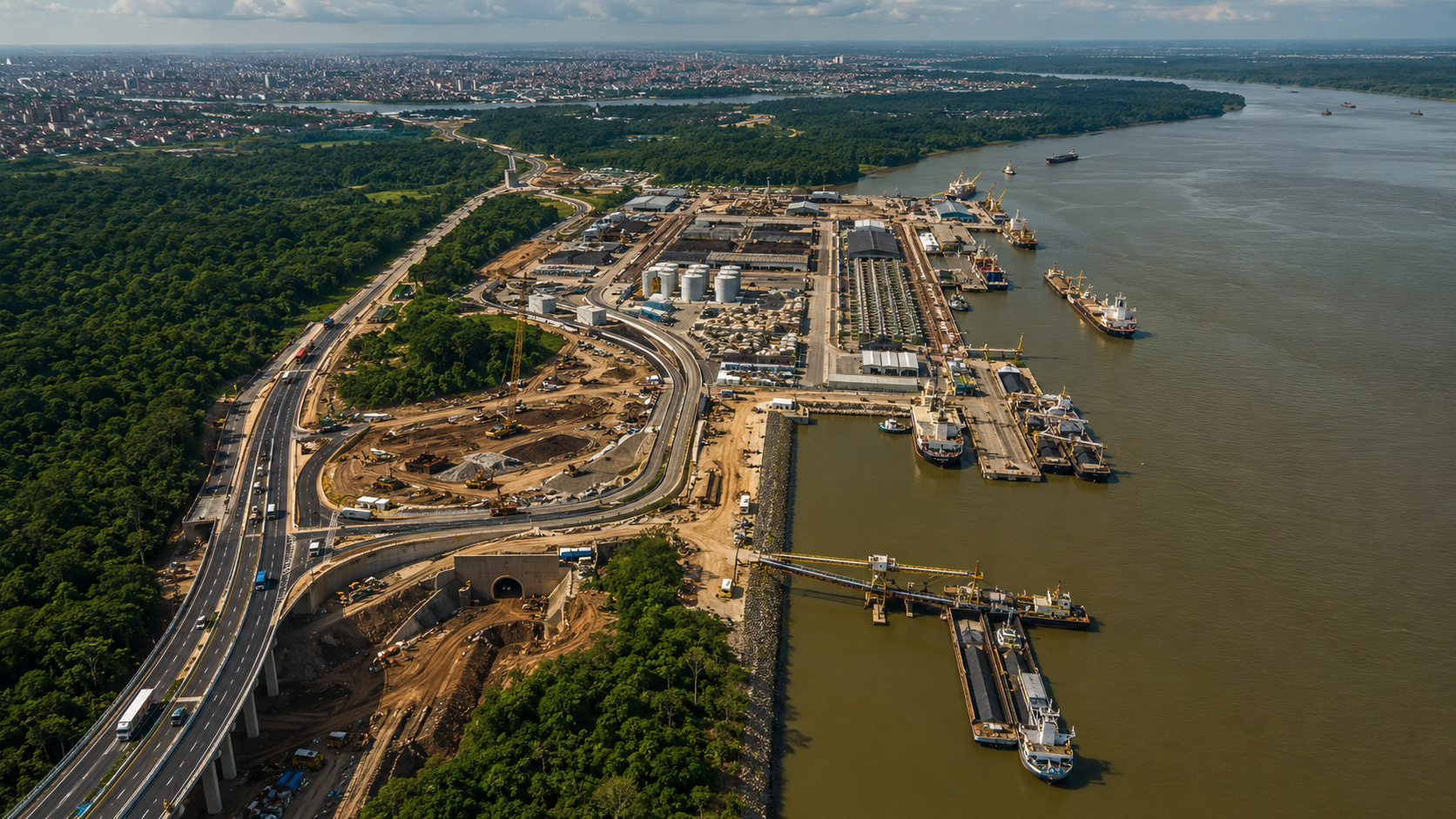
Rondônia begins construction of access roads to Porto Novo with R$ 258 million to remove 1.2 thousand trucks per day from Porto Velho’s city center.
On 04 May 2026, the state of Rondônia began one of the most strategic logistics projects in the North Region in recent years: the construction of the new access to Porto Novo, in Porto Velho. The undertaking foresees 34.5 kilometers of connection between BR-364 and the Rio Madeira waterway terminals, with an estimated investment of between R$ 258 million and R$ 260 million, according to information released by the Nova 364 concessionaire and the state government. The main objective of the project is to remove approximately 1.2 thousand trucks per day from the urban area of the Rondonian capital, reducing congestion and increasing efficiency in cargo flow. The information was revealed on the portal of the concessionaire responsible for the operation and management of BR-364 – Nova364.
The project gained national relevance because Porto Velho occupies a strategic position within the so-called Northern Arc, a logistics corridor that connects producing regions of the Midwest to the ports and waterways of northern Brazil. In recent years, the movement of grains through the Rio Madeira has grown rapidly, transforming the capital of Rondônia into one of the main transshipment points for soybeans and corn in the country.
In addition to the impact on cargo transport, the new access also seeks to solve a historical urban problem. Currently, thousands of trucks cross densely populated areas of Porto Velho daily to reach the waterway terminals, causing slowdowns, road wear, and increased risk of accidents.
-
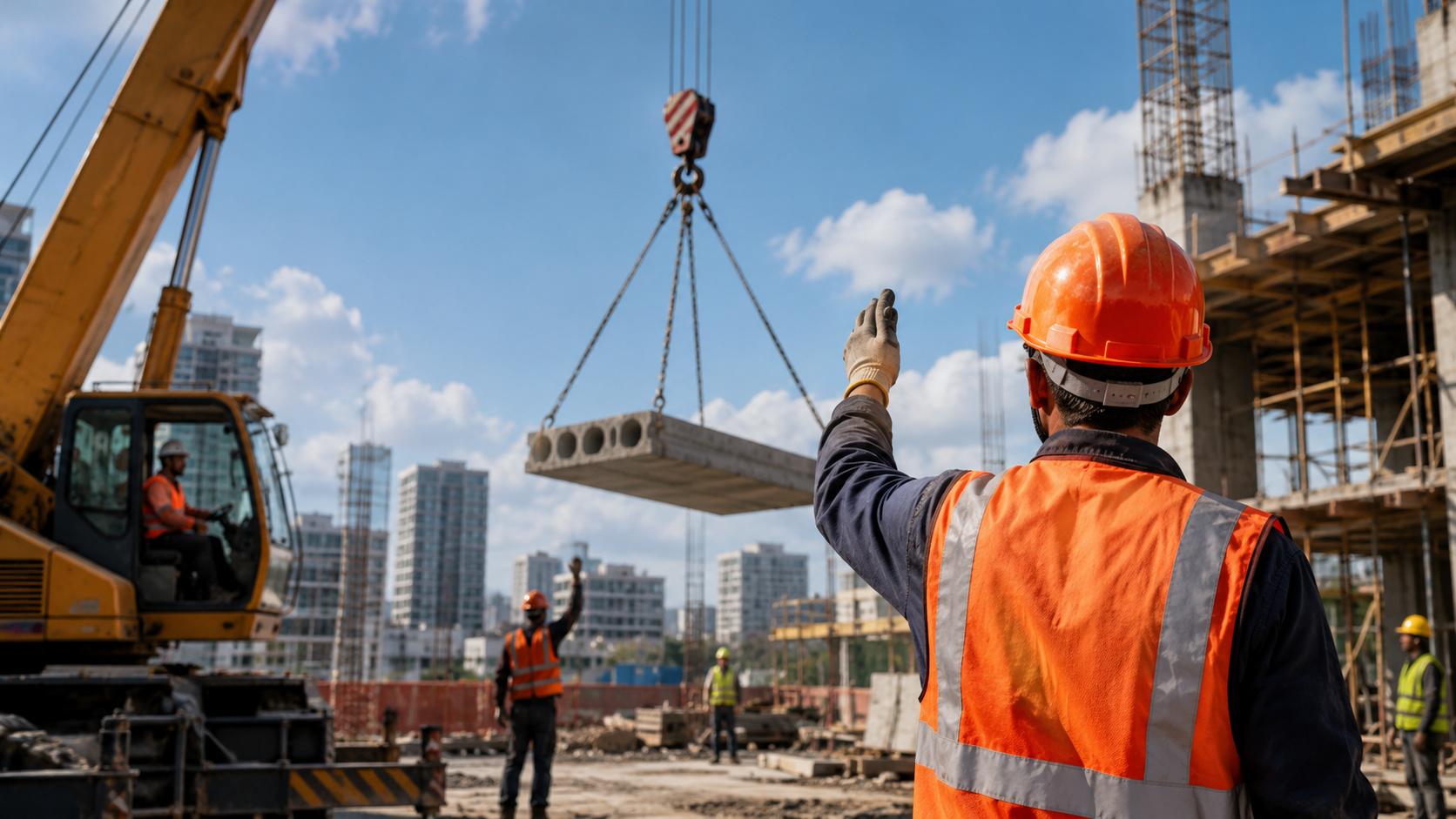
Why can the crane operator only obey the correct signalman on the construction site: among dozens of workers, a hand raised by the wrong person can confuse the maneuver and turn a load of tons into an immediate risk.

-
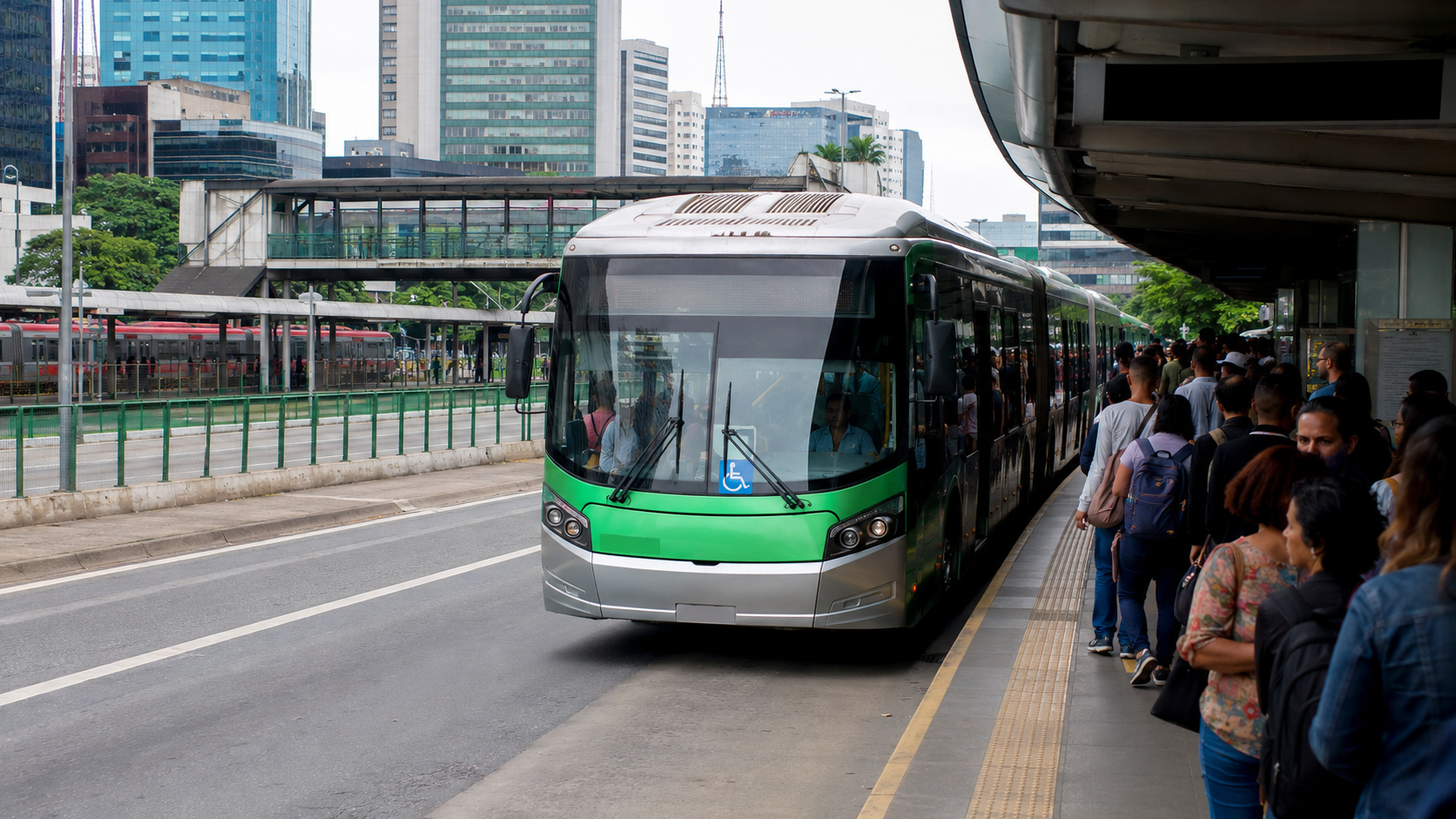
What changes with the new public transportation rules that can reduce pressure on fares and pave the way for zero fare in Brazil?
-
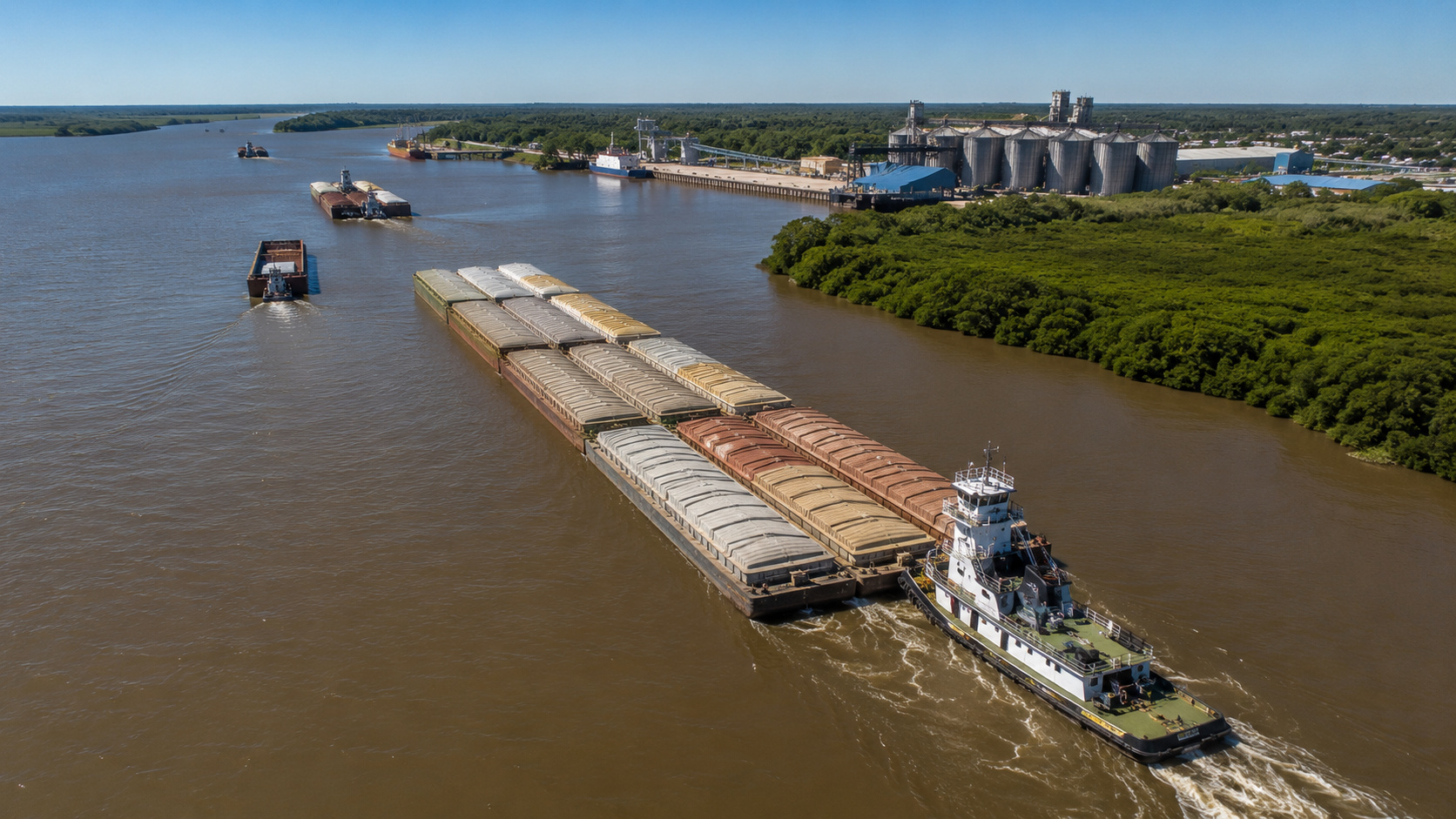
Argentina confirms Belgian giant to lead strategic Paraná River waterway and promises to reduce logistical costs on one of South America’s most important routes
-
MBRF surprises the logistics sector by demonstrating how Artificial Intelligence can directly influence deliveries throughout Brazil by reorganizing distribution routes in seconds, optimizing fleet usage, reducing logistics costs, and speeding up product arrivals even in the face of unforeseen road incidents.
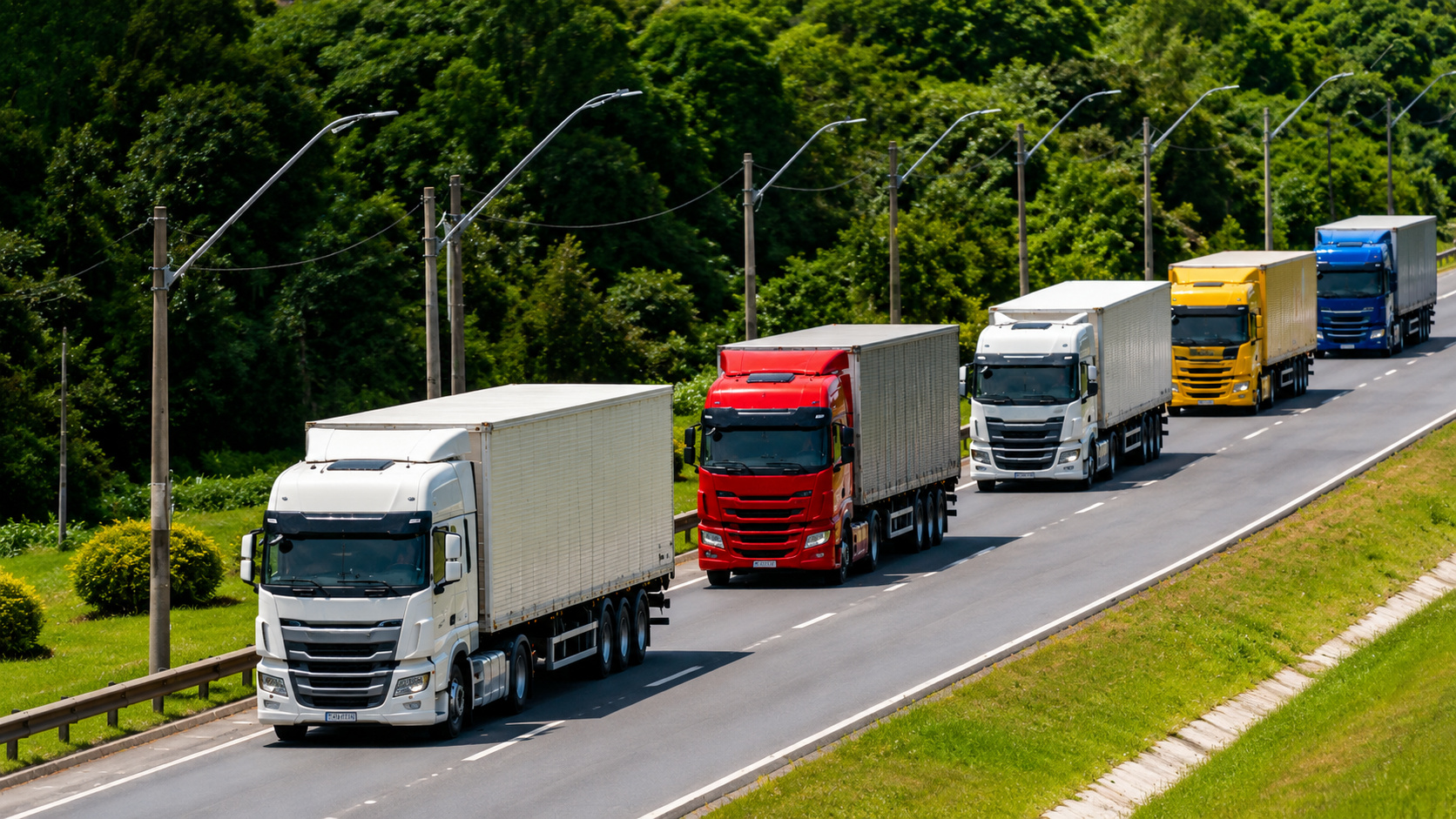
New logistics corridor connects BR-364 directly to Rio Madeira terminals
The main objective of the project is to create a direct connection between BR-364 and the port region of Porto Velho, preventing trucks from using the capital’s urban avenues.
Today, a large part of the cargo coming from Mato Grosso and other agricultural regions of the Midwest crosses the urban perimeter to reach the terminals located on the banks of the Rio Madeira. This flow has intensified in recent years due to the growth of the Northern Arc as an alternative to the traditional ports of the Southeast and South.


With the new route, heavy vehicles will start using a dedicated corridor, reducing impact on residential neighborhoods and increasing operational fluidity.
According to data released by Nova 364, approximately 1.2 thousand trucks per day are expected to stop circulating on Porto Velho’s urban roads after the completion of the work.
Rio Madeira has become a strategic axis for Brazil’s soybean and corn exports
The growing logistical importance of Porto Velho is directly linked to the advancement of the Rio Madeira as a waterway corridor for agricultural exports.
In recent years, trading companies and logistics operators have expanded investments in transshipment terminals in the region. The model works as follows: trucks bring grains from the Midwest to Porto Velho, where the cargo is transferred to barges that travel down the Rio Madeira to larger ports in the Amazon region.
This system reduces transport costs compared to long road trips to Santos or Paranaguá. The expansion of the Northern Arc has altered part of the logistical geography of Brazilian agribusiness, especially for producers located closer to the Amazonian routes than to the traditional ports of the South and Southeast.
Billion-dollar investment in infrastructure aims to anticipate future bottlenecks
Although the specific investment in access to Porto Novo is estimated at around R$ 258 million, it is part of a broader package linked to the BR-364 concession in Rondônia.
According to the Nova 364 concessionaire, the original schedule foresaw the start of these works at a more distant date, but the accelerated growth of cargo flow anticipated the need for intervention.
This reveals an important movement: the Brazilian logistics sector is trying to prevent the increase in exports from causing operational collapse in strategic corridors.
The problem is not just economic. The intense truck traffic in urban areas also generates environmental impacts, increased noise pollution, pavement wear, and pressure on public services.
Project expected to last about 16 months and requires integration between highway and waterway
According to officially released information, the project is expected to take approximately 16 months to complete.
The project involves not only paving but also structural adjustments to support constant heavy traffic. Logistics corridors of this type need to be designed considering high weight, high daily flow, and the need for reduced maintenance.

Another challenge is the efficient integration between road and waterway transport. Operational logic depends on synchronization between truck arrivals, storage, and barge loading. Any failure in this chain can generate queues, delays, and increased logistics costs.
Porto Velho consolidates itself as a key point in Brazil’s new logistics
In recent years, Porto Velho has ceased to be merely a regional center to become an important part of Brazil’s export infrastructure.
The city functions as a link between agricultural production in the Central-West and the Amazonian waterway corridors. This position has gained even more relevance with the growing international demand for Brazilian soybeans and corn.
Furthermore, the advancement of infrastructure in the region is attracting new private investments in storage, terminals, and logistics operations. This movement reinforces a structural change in the national transport map, with greater use of waterways to reduce dependence on long road routes.
Waterways return to the center of the country’s logistics strategy
The resumption of investments linked to the Madeira River occurs in parallel with other federal initiatives aimed at waterway expansion.
In May 2026, the Ministry of Ports and Airports also resumed discussions on projects related to the São Francisco River waterway, reinforcing the perception that Brazil is trying to increase the participation of fluvial transport in its logistics matrix.

Historically, the country has concentrated a large part of cargo transport on highways, a model that generates high costs and operational vulnerability.
Waterways appear as an alternative to reduce logistical expenses on long-distance routes, especially for agricultural and mineral commodities.
Northern logistics expansion could alter the competitiveness of Brazilian agribusiness
The advancement of infrastructure in the North has a direct impact on the international competitiveness of agribusiness.
Transport costs represent a significant portion of the final price of Brazilian commodities. When logistics become more efficient, producers can reduce expenses and increase operational margins.
Furthermore, shorter routes reduce travel time and increase export predictability.
In the case of the Madeira River corridor, the integration between highway and waterway creates an important alternative to the saturation of some traditional ports in the Southeast.
Accelerated growth also increases environmental and urban pressure in the Amazon
Despite the economic benefits, logistics expansion in the Amazon region also raises debates about environmental and urban impacts.
The increased flow of cargo intensifies pressure on areas near waterways and expands the need for environmental monitoring and urban planning.
In Porto Velho, the growth of heavy traffic had already been causing mobility problems and wear and tear on urban infrastructure even before the start of new works. The creation of dedicated access to Porto Novo aims precisely to reduce part of this impact within the capital of Rondônia.
New connection could become a model for other corridors of the Northern Arc
Logistics sector specialists observe that similar solutions can be replicated in other regions of the Northern Arc in the coming years.
As the participation of Amazonian ports grows, the need for dedicated corridors for trucks tends to increase.
This includes port access works, road duplications, railway expansion, and waterway modernization. The project in Porto Velho ends up functioning as a kind of laboratory for this new national logistical design, based on multimodal integration between road and river.
Now, the main question becomes whether Brazil will be able to accelerate this type of infrastructure at the same pace as its agricultural production grows and its dependence on the Northern export corridors.




Be the first to react!