






 Portuguese
  Spanish



Fenabrave Ranking Shows That, in 2025, 57% of Licensed Cars Have a 1.0 Engine and Motorcycles Surpass Passenger Cars, Reflecting the Rise in Gasoline Prices.
Fenabrave (National Federation of Automotive Vehicle Distribution) released the licensing ranking for August 2025, and the numbers reveal a significant shift in Brazilian consumer behavior regarding the automotive market.
Compared to 2015, the scenario shows a greater search for economical vehicles and a significant advance of motorcycles in the total number of registrations.
1.0 Engines Gain Ground
The data shows that 57% of cars licensed in August 2025 are equipped with 1.0 engines.
-
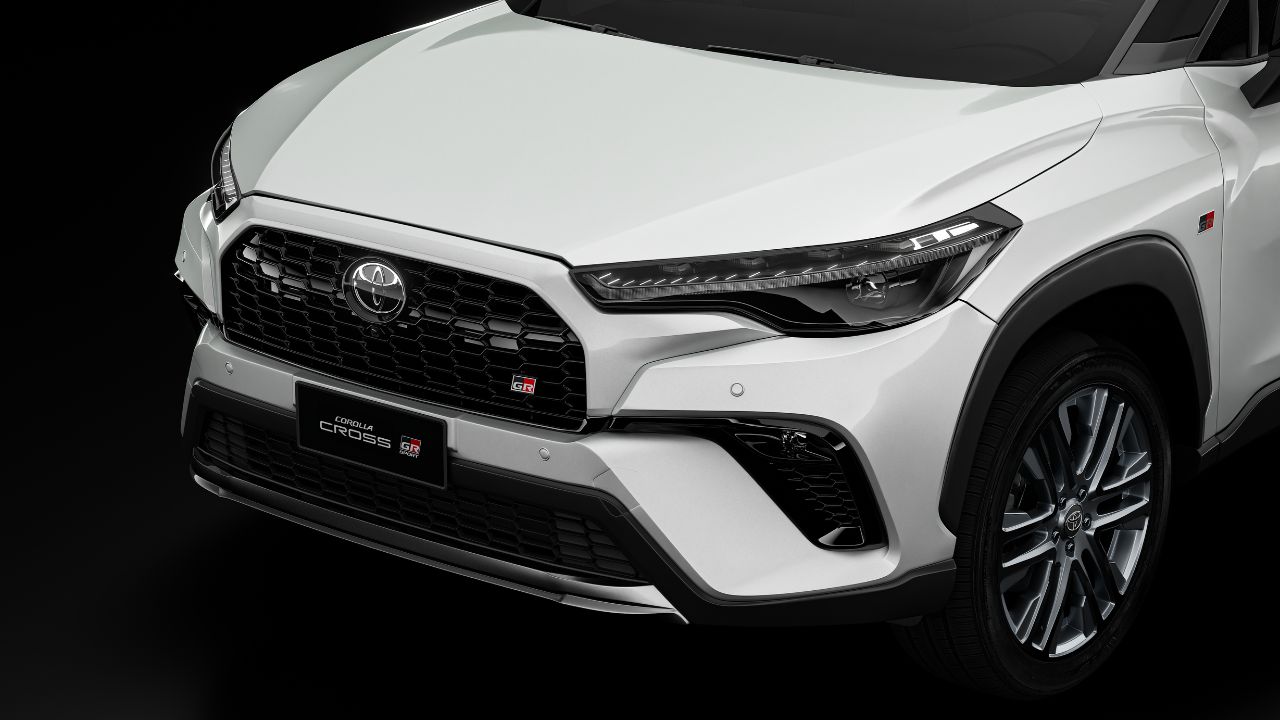
2027 Toyota Corolla Cross Unveiled: New Design, Enhanced Fuel Efficiency, Reduced Maintenance Costs, Advanced Technology, Connected Services, and Up to 10-Year Warranty

-
Fiat Cronos Precision 2018: Affordable Sedan with Spacious Trunk and Reliable Maintenance
-
Volkswagen to Cut Production by 1 Million Cars by 2030, Reducing Jobs and Platforms, Focusing on More Profitable Models

-
Toyota Launches First 100% Electric Car in Brazil: bZ4X with 343 HP, All-Wheel Drive, 361 km Range, Priced at $419,990 BRL, Limited to 99 Units



This figure is striking because, in 2015, this share was only 35%.
Ten years ago, the majority of registrations (62.67%) were concentrated in vehicles with engines between 1.0 and 2.0, indicating that Brazilians were still balancing their choice between power and economy.
Today, the pendulum clearly tips toward fuel efficiency.
The explanation is directly linked to the wallet: the average price of gasoline has more than doubled in the last decade, rising from R$ 3.32 in 2015 to R$ 6.17 in 2025, according to data from Petrobras, ANP, and CEPEA/USP.
Motorcycles Surpass Passenger Cars
Another significant transformation occurs in the two-wheeled segment.
In 2015, motorcycles accounted for 31.5% of registrations, with just under 100,000 units recorded.
By August 2025, they jumped to 43.6% of the market, surpassing passenger cars, which accounted for 38.2% of the total.
This growth can be explained by the reduced maintenance and fuel costs, as well as the practicality amid heavy traffic in big cities.
The economic scenario also reinforces this trend, as the motorcycle presents itself as a more accessible alternative for daily commutes.
Light Commercials Maintain Strength with Highlight on the Fiat Strada
In the light commercial vehicle segment, which includes pickups and minivans, national preference remains relatively stable, but with growth in volume.
In 2015, 27,217 units were registered, of which 62.67% had engines between 1.0 and 2.0.
By 2025, the total number jumped to 42,210 units.
Within this total, 24,510 vehicles continue to be concentrated in the engine range between 1.0 and 2.0, showing that in this segment, power and versatility remain decisive factors in the choice.
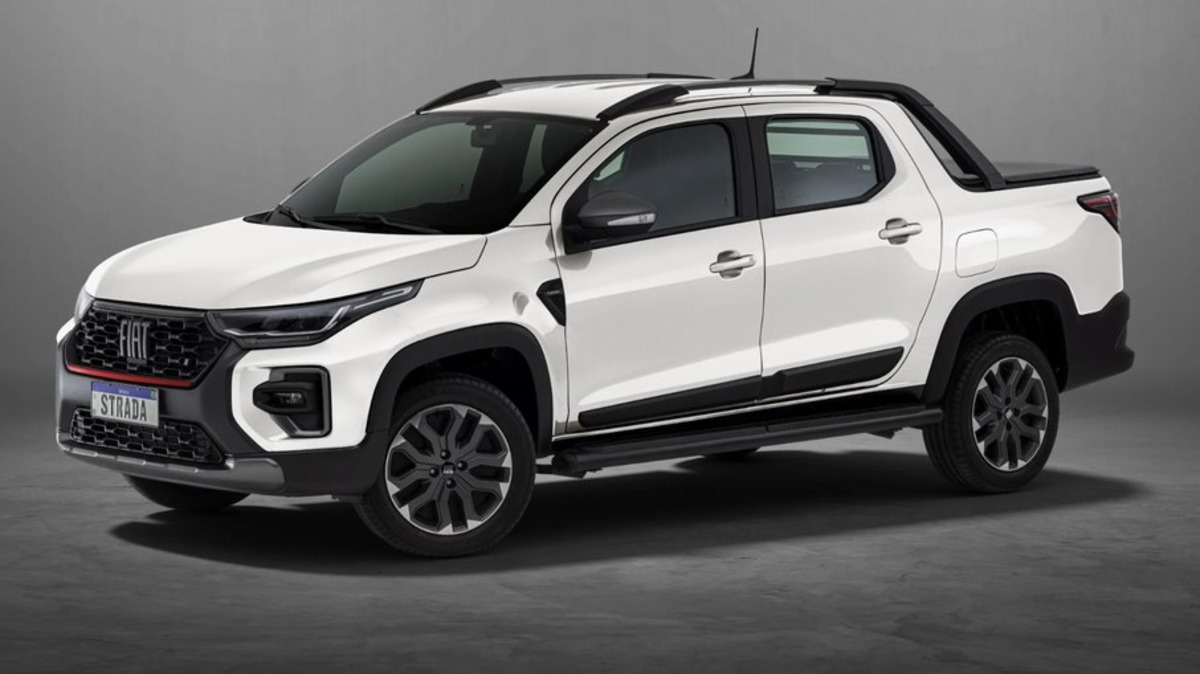
Among the highlights is the Fiat Strada, which leads the ranking of the best-selling light commercials in 2025.
The model has solidified its position as the preferred pickup of Brazilian consumers, primarily for combining robustness, load capacity, and competitive cost.
Economy as a Decisive Factor
The increase in fuel prices is cited as the main reason for the change in consumer choices.
The 85.84% rise in gasoline prices over the last decade has influenced buying decisions, favoring compact cars, motorcycles, and models with lower fuel consumption.
This shift also reflects the need for adaptation by automakers.
Manufacturers have been prioritizing more economical versions while adjusting advertising campaigns to highlight attributes such as autonomy and energy efficiency.
The August 2025 licensing ranking confirms a clear picture of the Brazilian consumer: economy is an absolute priority.
1.0 cars and motorcycles are gaining more and more space, while segments like light commercials remain relevant but with a focus on utility and balanced power.
While in 2015 the car with the largest engine displacement was seen as a status symbol, by 2025, national preference points to more rational choices shaped by fuel prices and the need to optimize daily expenses.








