Portuguese
  Spanish


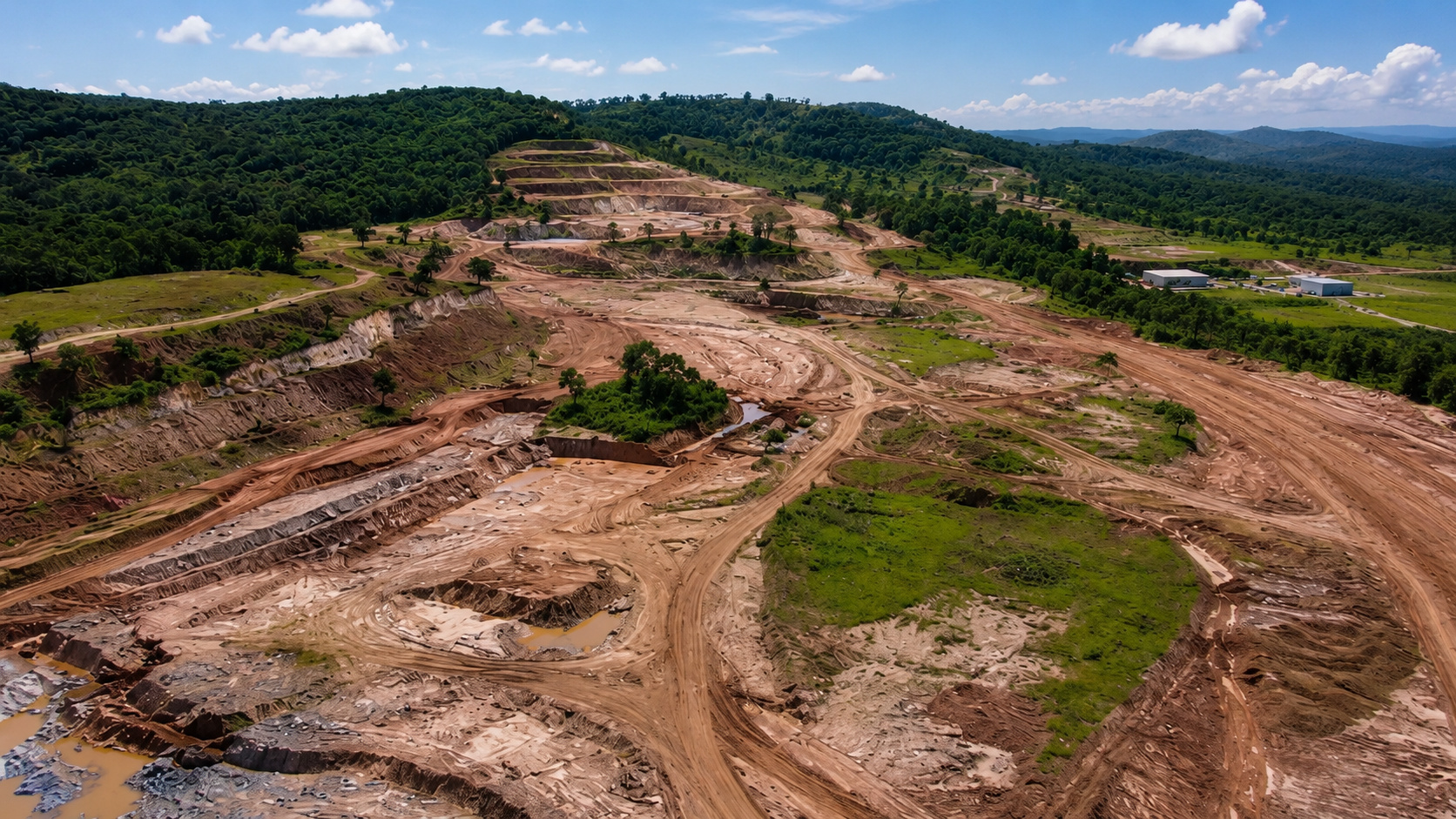

Case involves the Alto da Boa Vista Farm in Minaçu, contested compensation, critical mineral exploration, billion-dollar sale of Serra Verde to the USA, and questions about environmental damage
The dispute involving the Alto da Boa Vista Farm in Minaçu, Goiás, has placed a Brazilian rural property at the center of the global race for rare earths.
The owner Daniel Rios claims he lost regular access to the area explored by Serra Verde, a company sold for US$ 2.8 billion to the American USA Rare Earth.
According to a report made to revista Fórum, the family has been engaged in a legal battle for eight years for what they consider fair compensation.
-
Brazilian Company in Minas Gerais Innovates by Using Electric Currents to Extract Critical Metals from Industrial Waste

-
U.S. Acquires Brazil’s Only Rare Earth Mine for $2.8 Billion, Diverting It from China

-
Indian Project Aims to Recover Zinc and Silver from Mining Waste, Targeting Over ₹3.8 Billion Revenue in 28 Months
-
Giant 142 kg Emerald from Brazil’s Bahia Region Auctioned with Starting Bid of Nearly $16 Million


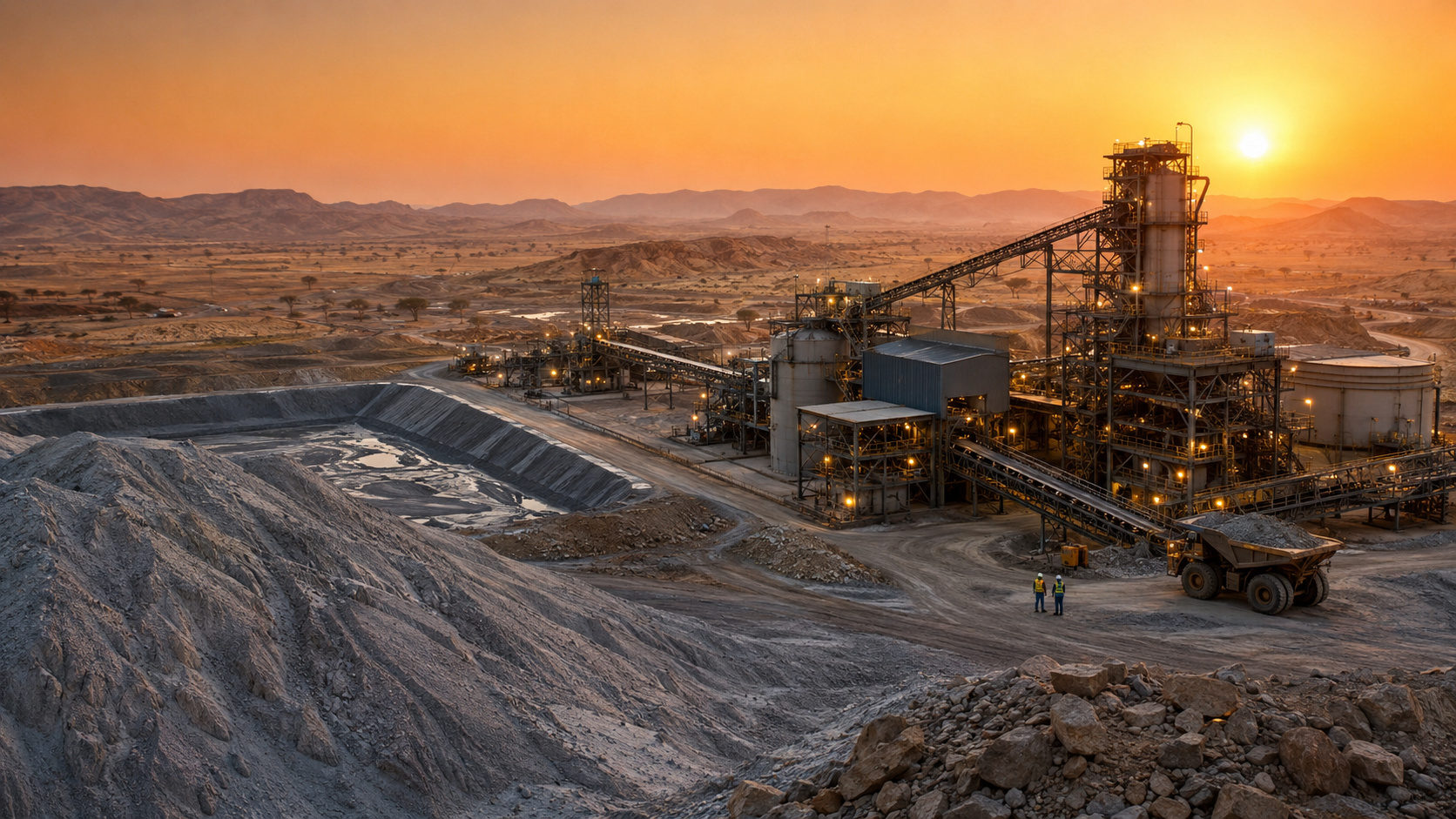

The area began to attract mineral interest in 2013 when the mining company started research on the site.
After three years of studies, Serra Verde presented a mineral easement proposal.
The agreement provided for a monthly payment of R$ 4,000 and compensation of approximately US$ 64,772.08, equivalent to about R$ 320,000.
The family rejected the offer.
According to Daniel, the amount did not reflect the property’s appreciation after the discovery of critical minerals.
Subsequently, in 2018, the company filed a lawsuit seeking possession of the area.
Since then, the dispute has remained focused on the compensation amount and the use of the property.
“I practically lost access to my own property,” Daniel told Fórum.
Currently, according to him, entry to the farm occurs only once a month with judicial authorization.
Owner says he doesn’t want to block mining but demands proportional compensation
Daniel states that his family does not seek to prevent the advancement of the mineral enterprise.
On the contrary, the goal is to ensure that the owners’ rights are respected.
Furthermore, he advocates for the payment of compensation proportional to the economic relevance of the activity developed in the area.
As established by Brazilian law, minerals belong to the Union.
On the other hand, the surface of the land remains under the ownership of the area owner.
In this way, companies authorized by the National Mining Agency (ANM) can exploit mineral resources.
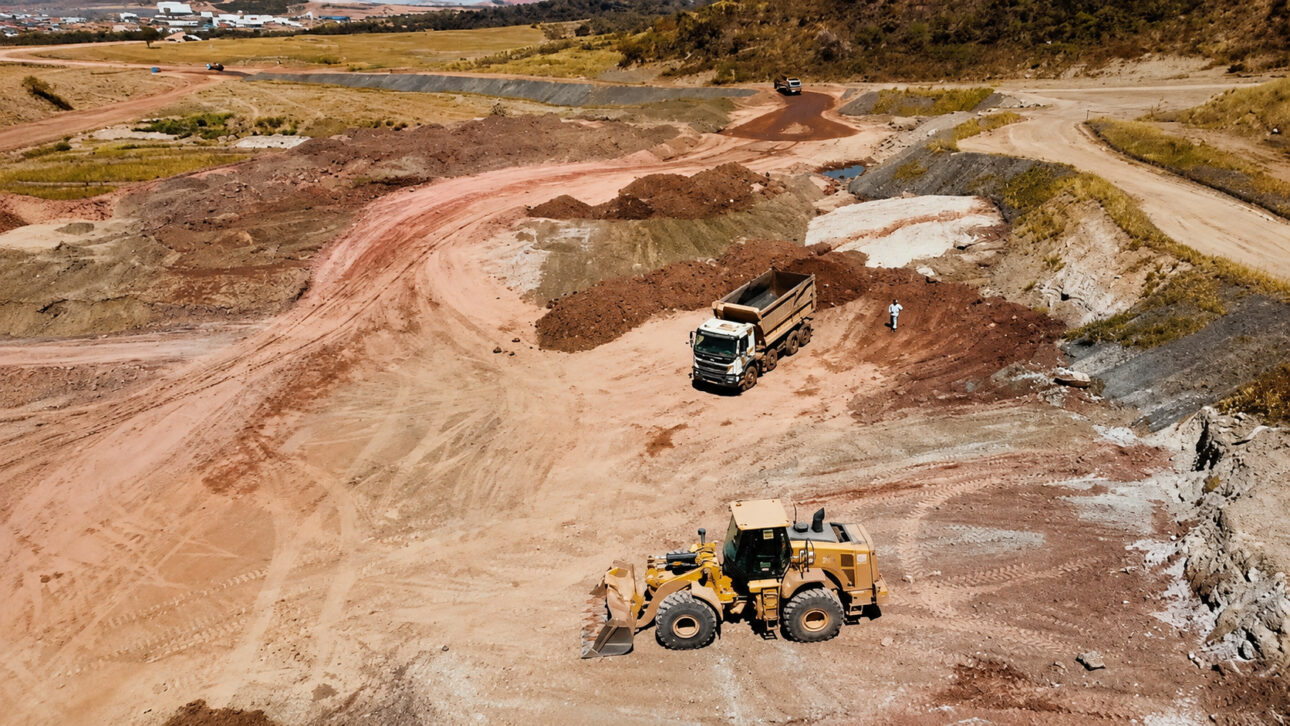
At the same time, they must pay compensations, indemnities, and royalties to the surface owner.
According to Daniel, this process did not occur properly.
He states that Serra Verde remains in the area by court order.
However, full compensation for the impacts caused has not yet been made.
Furthermore, the owner claims that the monthly payments received are below the economic reality of the mining existing on the farm.

Million-dollar values amplify questioning about compensation
Parallel to the legal discussion, the family’s lawyer, Daniel Cavalcante, a specialist in Mining Law, questions the values defined in the process.
According to him, Serra Verde would have used mining rights linked to the area as pledge collateral.
The operations would involve loans of US$ 115 million in 2018 and another US$ 565 million in 2026.
At the end of last year, the court set compensation at R$ 3 million.
Even so, the defense filed an appeal.
For Cavalcante, there is a significant difference between the values discussed in court and the economic importance of mineral exploration.
Furthermore, he states that the ruling itself recognized that the property was valued by the presence of rare earths.
The lawyer also questions the evaluations carried out in the process.
According to him, the appointed experts had training related to agronomy and not to mining.
Therefore, he considers that the reports do not adequately reflect the economic dimension of the enterprise.
Environmental degradation enters the center of the dispute
In addition to financial issues, Daniel also points out possible environmental impacts on the property.
According to his account, there are more than 150 thousand tons of mined and piled ore within the farm.
The owner claims that part of this material was extracted when the company only had authorization for mineral research.
For this reason, he expresses concern about the environmental recovery of the area.
“Who will restore the environment? Who will bear the damages left within my property?” he questioned.
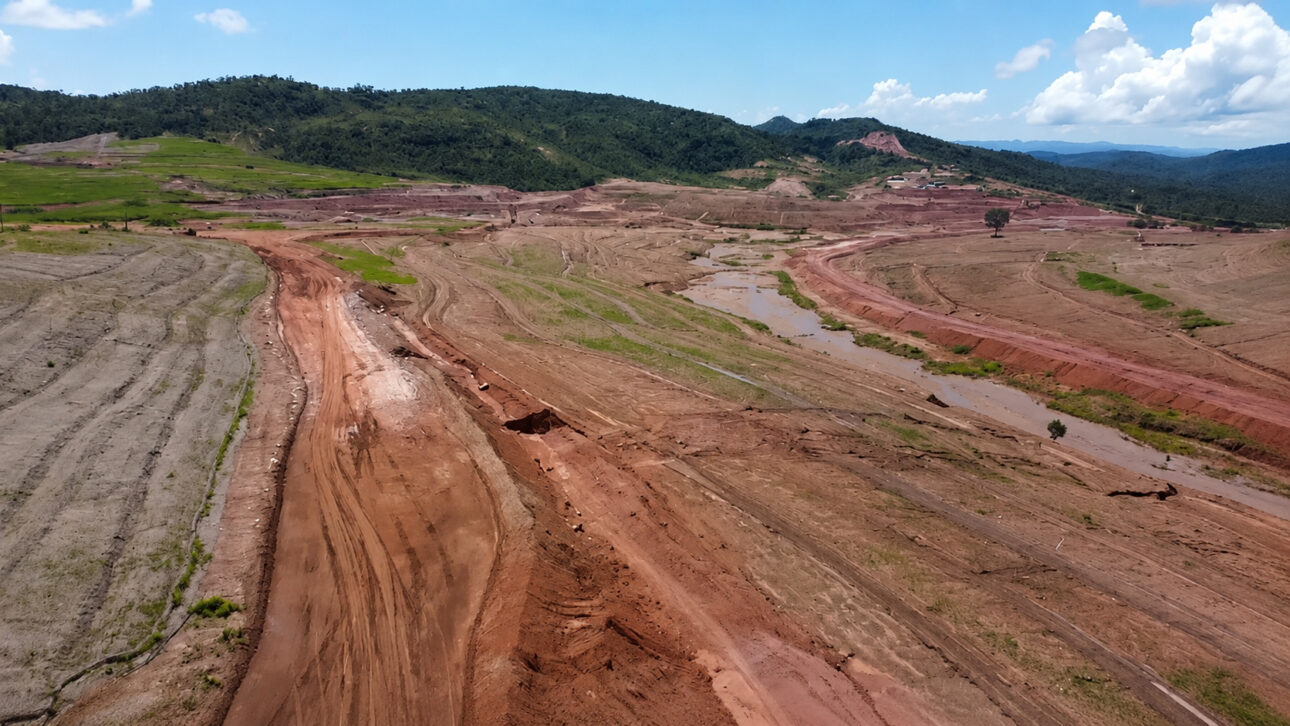
According to Daniel, there have been earth movements, ore accumulation, and significant changes in the farm’s landscape.
Furthermore, he claims there is no concrete guarantee to ensure future repair of the damages.
Sale to US company opened new legal action
On April 20, 2026, the acquisition of Serra Verde by USA Rare Earth was announced.
After the announcement of the deal, a new legal front involving the area emerged.
The family’s defense filed a lawsuit requesting the suspension of the transaction.
The goal is to await a definitive decision on the pending issues related to the property.
According to Daniel Cavalcante, the discussion goes beyond the private interests of the owners.
In the lawyer’s assessment, the case involves issues related to national sovereignty and the control of strategic minerals.
The lawsuit was filed in the Federal Court of Goiás.
According to the defense, it differs from the lawsuit filed by Rede Sustentabilidade in the Supreme Federal Court.
Meanwhile, the process continues to be in progress.
Serra Verde says it complies with legal obligations
Contacted by revista Fórum, Serra Verde presented its version of the case.
In a statement, the company said it maintains respectful dialogue with all interested parties.
In addition, it declared to act in compliance with the applicable legal and regulatory requirements.
The mining company also reported that it has been fulfilling its obligations to the owner through the payment of stipulated financial compensations.
Thus, the dispute remains under judicial review.
At the same time, the billion-dollar sale of the company broadens the debate on rare earths, mineral exploration, compensations, rural property, and environmental impacts in Brazil.