Portuguese
  Spanish


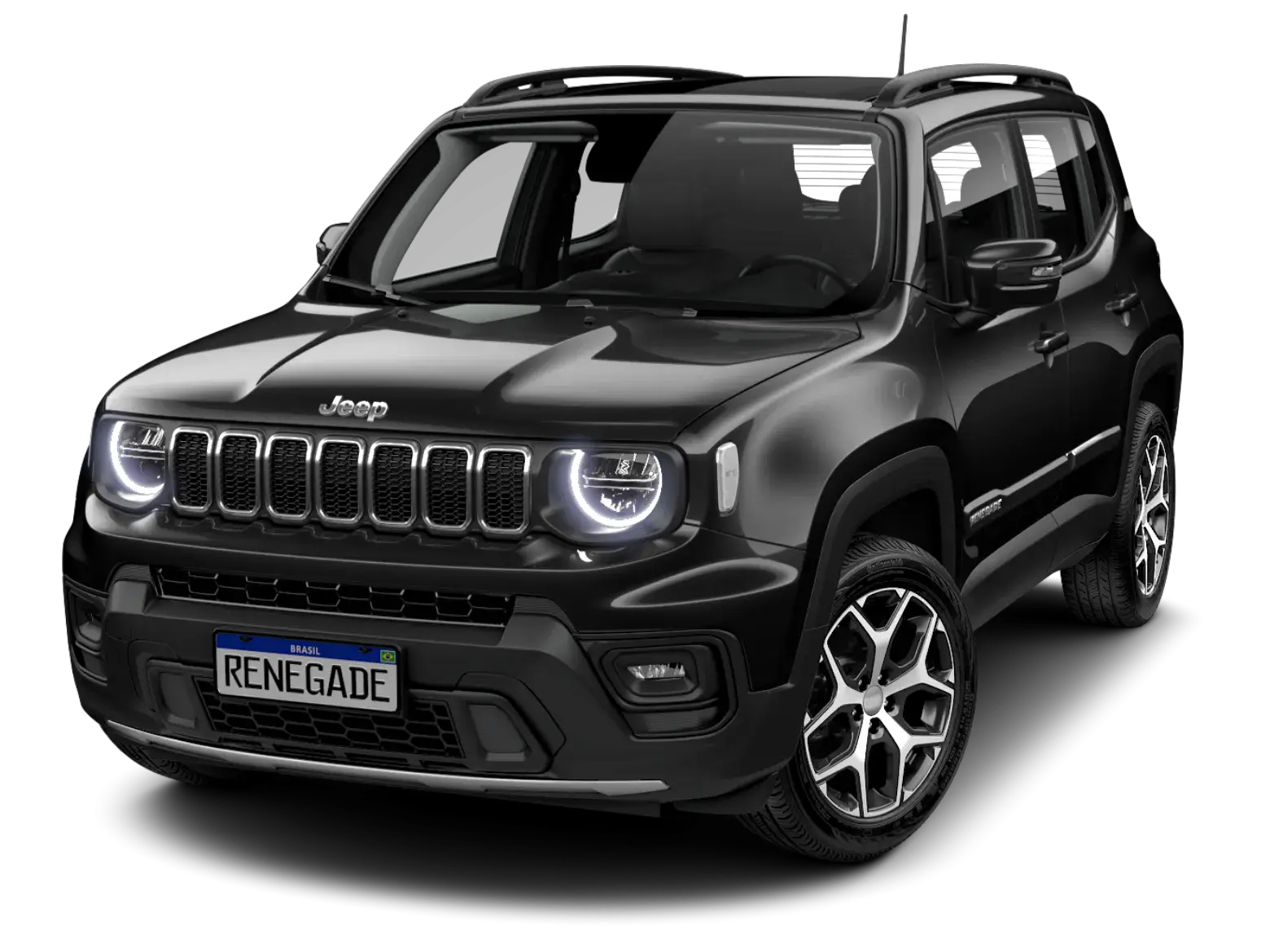

Why The Jeep Renegade Discontinued Worldwide But Remains A Sales Success In Brazil? Find Out What Explains The SUV Phenomenon.
The global automotive market lives a paradox with Brazil as its protagonist. The Jeep Renegade, one of the most well-known compact SUVs in the world, is in the process of bidding farewell to important international markets but continues to thrive in Brazilian lands. What explains this discrepancy?
While the SUV has been discontinued in China and Europe after an 11-year cycle, the factory in Goiana, Pernambuco, continues to produce the model at full speed.
The strategic decision by Jeep reflects the acceptance of the model in different regions and consolidates Brazil as a key market for the brand.
-
Fiat Cronos Precision 2018: Affordable Sedan with Spacious Trunk and Reliable Maintenance

-
Volkswagen to Cut Production by 1 Million Cars by 2030, Reducing Jobs and Platforms, Focusing on More Profitable Models

-
Toyota Launches First 100% Electric Car in Brazil: bZ4X with 343 HP, All-Wheel Drive, 361 km Range, Priced at $419,990 BRL, Limited to 99 Units

-
Chinese SUV Achieves 24.4 km/l, Outperforms Toyota Yaris Cross in Real-World Tests with 224 hp Hybrid System, Offers 51-Liter Tank for Greater Range, and Costs Up to R$ 5,000 Less.


The End Of An Era In China And Europe
The news that the Jeep Renegade is discontinued in China and Europe did not surprise experts.
In these markets, the SUV has been facing a decline in sales and fierce competition with newer, more technologically advanced models, especially in the electric and hybrid vehicle segments.
In Europe, for example, the model failed to maintain relevance against the strong offensive from other brands, which introduced compact SUVs with more attractive proposals in terms of design and engine options.
Jeep’s decision to focus on other models in its global portfolio reflects a strategic restructuring to ensure competitiveness.
The discontinuation of the Renegade in markets like China and Europe marks the end of an 11-year cycle.
For Jeep, this measure is a necessary adjustment to optimize its production line and channel resources into developing vehicles that meet new global demands, such as electrified models and larger, more luxurious SUVs.
This move shows that the brand is attentive to the trends of each region, and that not all products can remain relevant for long in such dynamic markets.
The Brazilian Paradox: Why The Renegade Sells Well Only In Brazil
The trajectory of the Renegade in Brazil, on the other hand, is a success story. Unlike what happens in other countries, the Jeep Renegade still sells well in Brazil.
Since its launch, the model has gained a legion of fans and become one of the best-selling compact SUVs in the country, directly competing with heavyweight models like Volkswagen T-Cross and Chevrolet Tracker.
The acceptance of the Brazilian public is so great that the decision that the Jeep Renegade is discontinued worldwide, except in Brazil, has become a peculiar case of automotive success.
Jeep’s strong presence in the Brazilian market, the established dealership network, and, mainly, the consumer’s identification with the design and proposal of the Renegade, contributed to the model continuing to be a sales success.
Even with the arrival of strong competitors, the Jeep SUV has remained at the top of the consumer preference lists, proving that its formula for success is still valid in the country.
The entry-level version with a naturally aspirated engine and the options with a turbo engine have a market appeal that remains quite strong and attractive for consumers.
The Future Of The Renegade And Jeep’s Strategy In Brazil
Despite the model having been discontinued in China and Europe, the production of the Renegade in Brazil remains unchanged.
The factory in Goiana, Pernambuco, continues to be the main production hub for the model for the national market.
Jeep’s decision to keep the car in Brazil demonstrates the automaker’s confidence in the potential of the country, which has become the main sales pillar for the model.
Jeep’s strategy in Brazil is clear: maintain what works and adapt to local needs, instead of blindly following a global policy that does not apply to the market’s reality.
The news that the Jeep Renegade is discontinued worldwide, except in Brazil, reinforces the country’s status as a market of great importance to the automotive industry.
It serves as a reminder that global trends do not always apply uniformly and that the particularities of each market must be taken into account.
While Europe and China say goodbye to the model, Brazil remains the refuge of the Jeep Renegade, which continues to explore Brazilian roads and trails.