






 Portuguese
  Spanish
  4 min of reading
  0 comments


The New Trend in Nuclear Energy Fits in a Truck and Can Supply Entire Cities, Understand How It Works
The new generation of nuclear reactors is taking shape on a smaller scale, but with global ambitions. While China is advancing with the Linglong-1 and Russia is betting on the RITM-200 in naval and land models, small modular reactors — known by the acronym SMR, for small modular reactors — promise to reshape the energy sector in the coming decades. According to estimates from the British institute New Nuclear Watch Institute (NNWI), only China and Russia could dominate about 40% of the global market for these reactors by 2050.
This advancement represents a strategic turnaround for nuclear energy, with promises of lower costs, greater safety, and reduced environmental impact. At the same time, these reactors offer solutions for remote areas, industrial centers, and even large data centers powered by artificial intelligence.
Compact Reactors, Global Impact
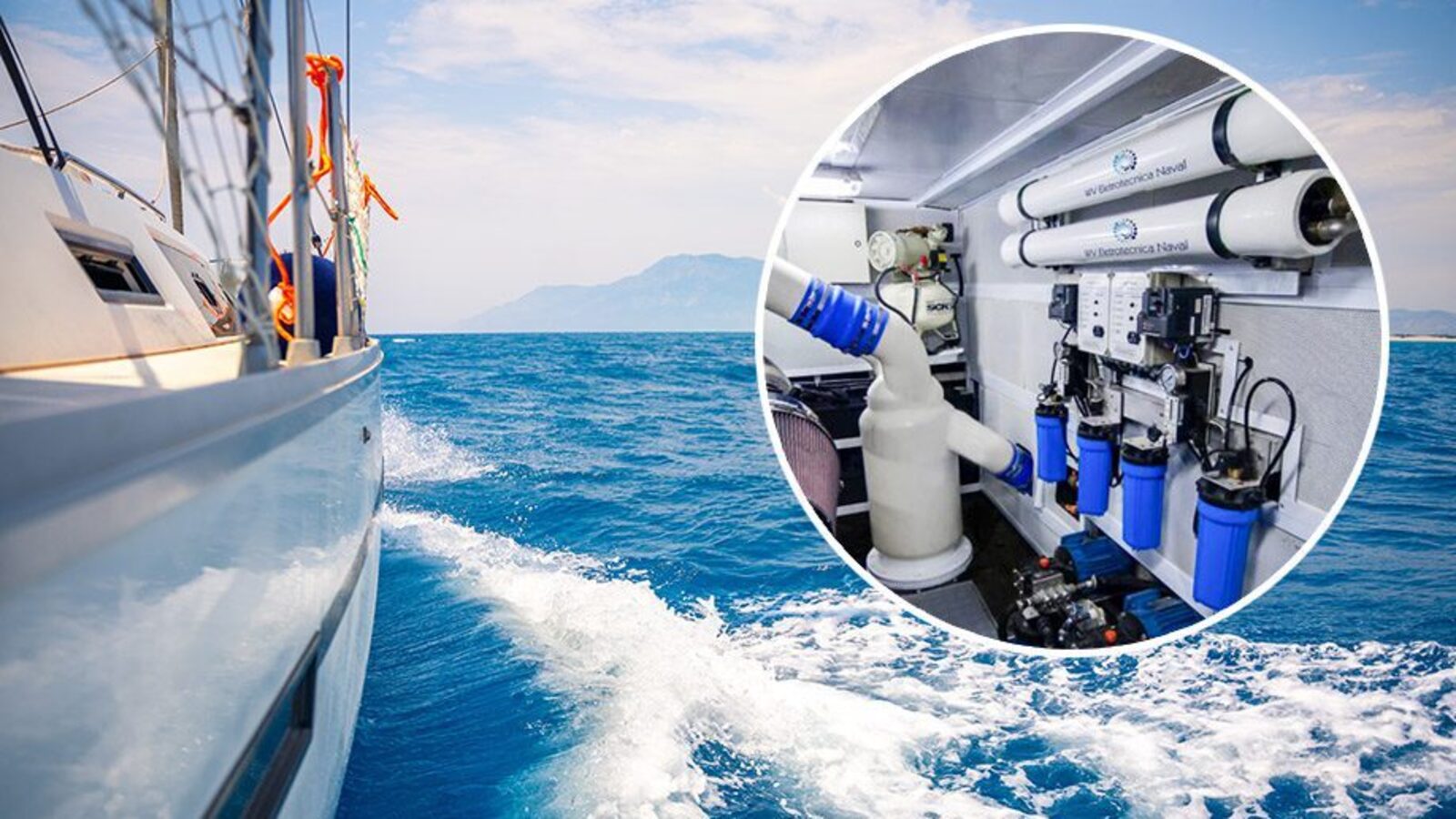
Unlike traditional nuclear power plants, SMRs are designed to be manufactured in standardized modules, transported ready for assembly on-site. This innovation not only reduces installation timelines and costs but also facilitates the adaptation of technology for different uses — from power generation to seawater desalination or hydrogen production.
-
American company drills a 1,830-meter hole in Kansas using oil well technology, places a nuclear reactor inside, and claims it will generate electricity without any cooling tower.

-
Canada invests more than 2 billion dollars to upgrade an old nuclear laboratory and try to rival the world’s major atomic energy powers.
-
Nuclear company backed by Bill Gates partners with Hyundai for next-generation 345 MW nuclear reactor

-
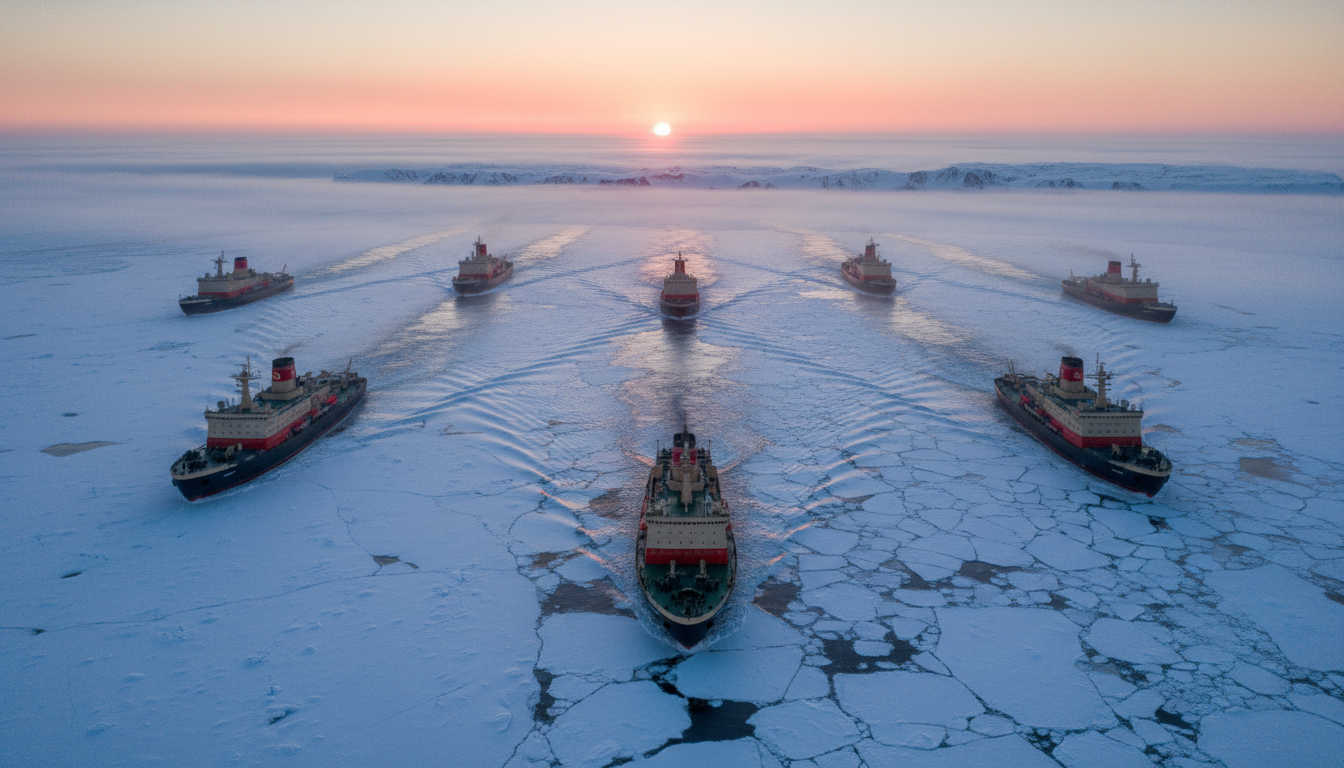
Russia is sailing all 8 nuclear icebreakers of its fleet simultaneously for the first time in history, as the Arctic freezes two weeks earlier than expected.


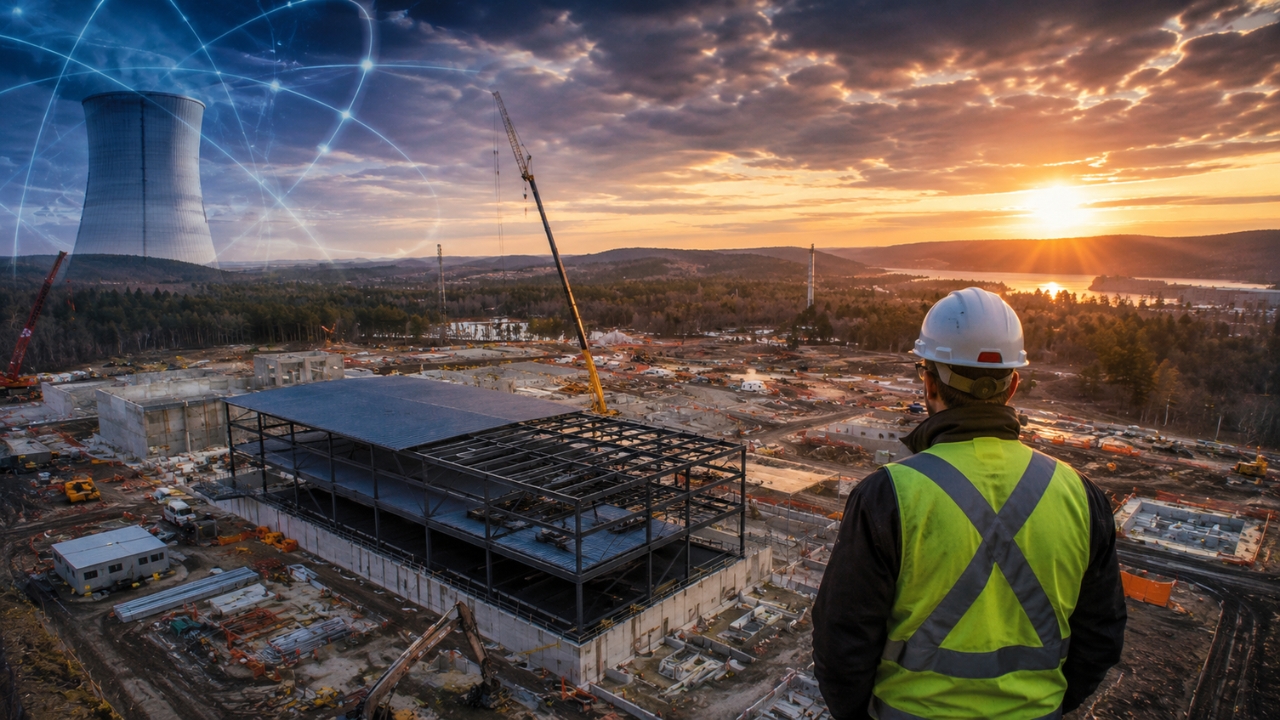

According to William D. Magwood, Director of the OECD Nuclear Energy Agency, SMRs have the potential to revolutionize the sector. “They require less physical space, have a smaller environmental footprint, and consume less water, which is essential for many countries facing water crises,” he said in an interview with DEF magazine.
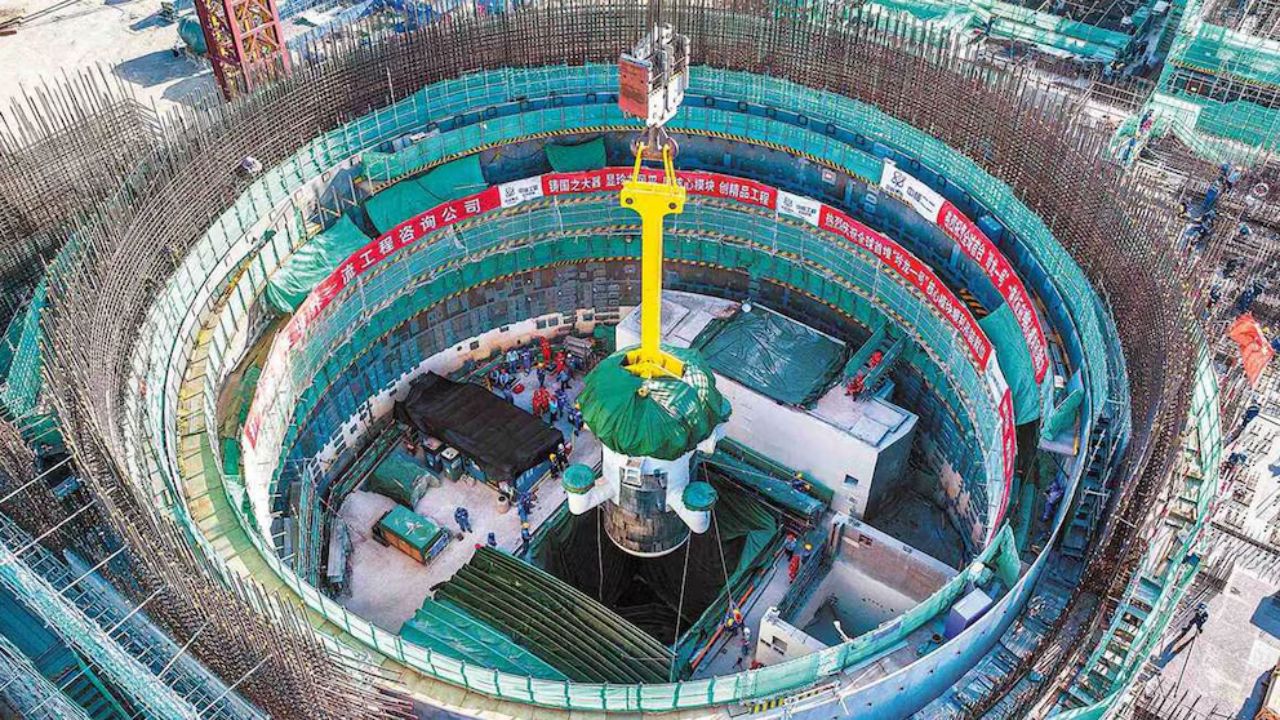
The Chinese Advancement: Linglong-1 and the New Silk Road
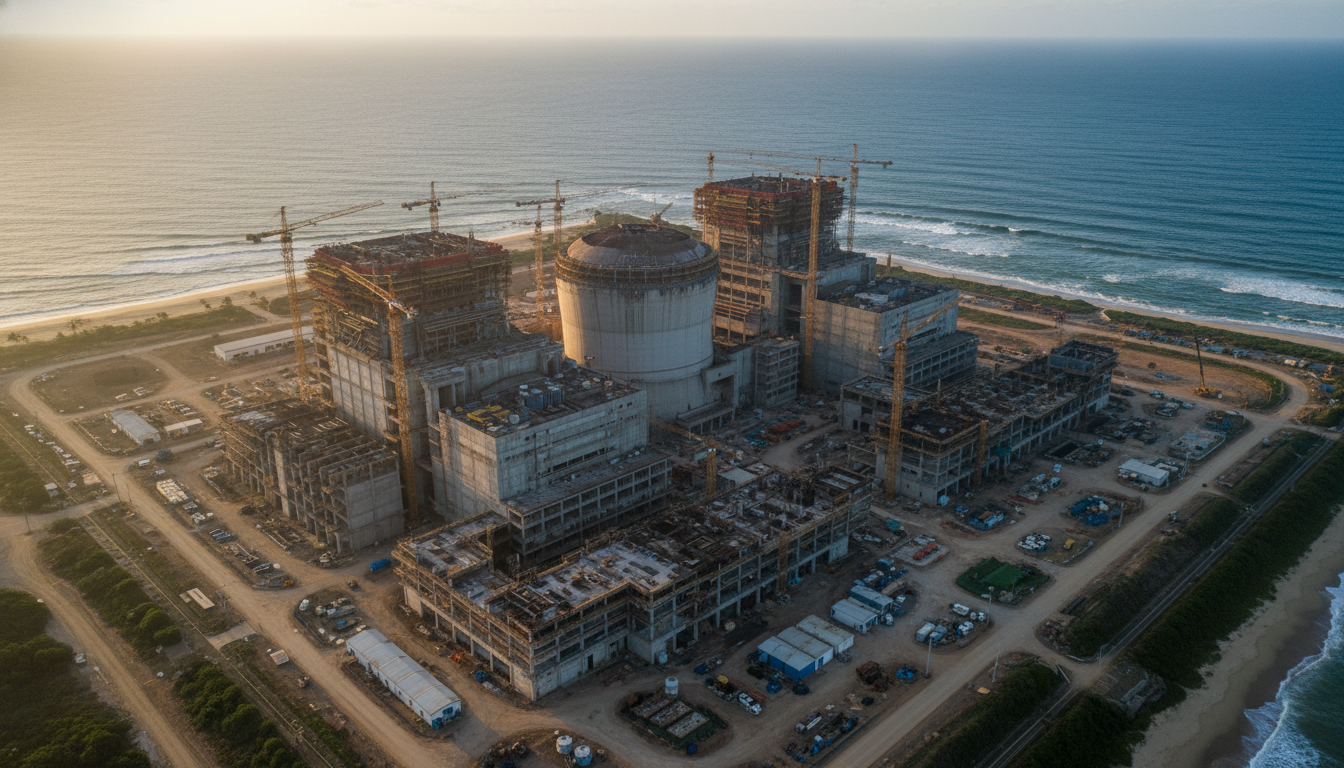
China took a decisive step in April with the start of testing for the main pump of the ACP100 — the first Chinese pressurized water SMR, also known as Linglong-1. Installed on Hainan Island, the reactor has a capacity of 125 megawatts and is part of the Chinese five-year plan that started in 2021. The forecast is that it will be fully operational by 2027.
In addition to generating electricity, CNNC (China National Nuclear Corporation) plans to use Linglong-1 for urban heating, desalination, and industrial steam generation. NNWI predicts that this model could represent up to 15% of the global SMR market by 2050, primarily driven by the Belt and Road Initiative — the new Silk Road — which facilitates the export of Chinese energy infrastructure to dozens of countries in Asia, Africa, and Latin America.
Russia Bets on Mobility and Energy for the Arctic
Since 2019, Russia has been operating its first floating nuclear power plant, the Akademik Lomonosov, anchored at the port of Pevek, in eastern Siberia. The vessel has two KLT-40S reactors, each with 35 MW capacity, providing electricity and heat to the remote Chukotka region. The plant also supports the Russian strategy to develop the Northern Sea Route, a logistical corridor that could partially replace the Suez Canal.
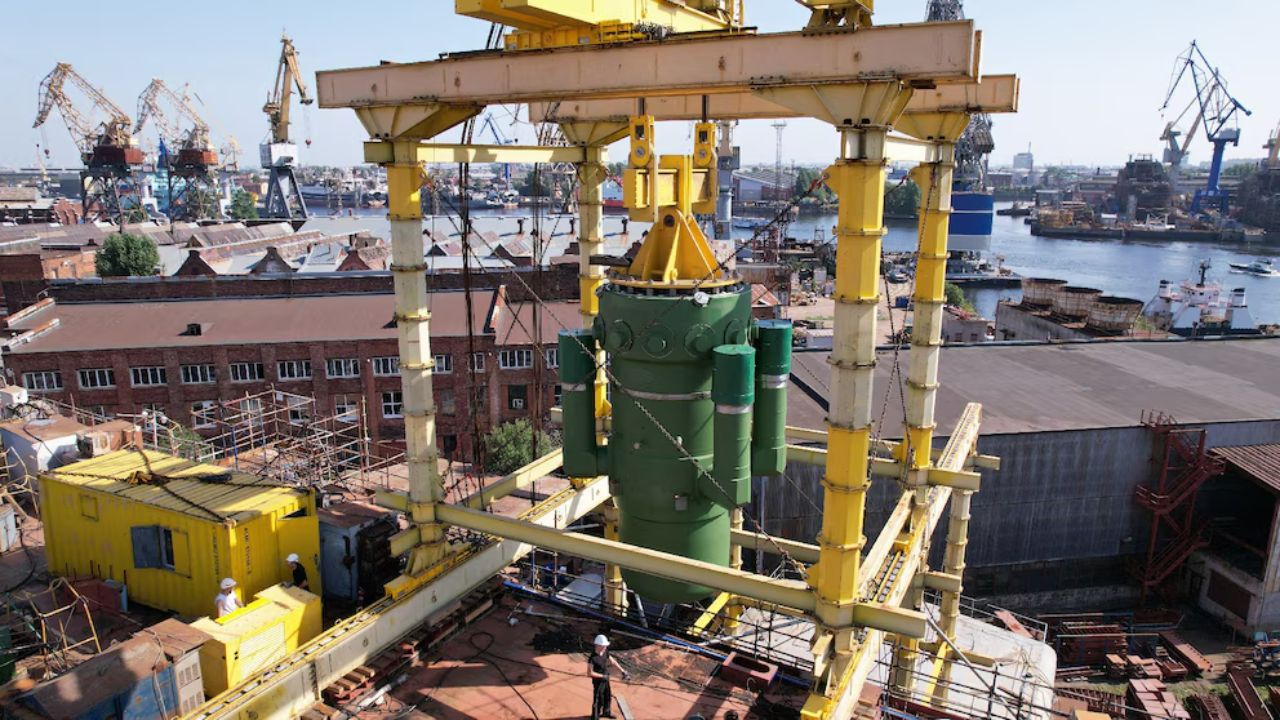
But Russia’s biggest asset is the RITM-200, a pressurized water reactor with a capacity of 175 MW, originally designed for naval propulsion, especially for the country’s new nuclear icebreakers. The land version, the RITM-200N, is being built in the Yakutia peninsula, with a capacity of 190 MW. Additionally, Russia has confirmed the export of six smaller units (55 MW each) for the Jizzakh power plant in Uzbekistan. NNWI estimates that Russian SMRs could capture about 18% of the global market by 2050.
The USA Attempts to Regain Prominence with Focus on Data Centers and AI
On the other side of the world, the United States is struggling to avoid losing ground to its two main geopolitical rivals. NuScale Power is so far the only American company with an SMR certified by the Nuclear Regulatory Commission (NRC). Its model, based on pressurized water reactors, produces up to 77 MW and can be applied in various functions — from hydrogen production to supplying power to hyperscalers, the giant data centers connected to artificial intelligence and blockchain.
Another promising initiative comes from X-energy, with the X-e 100 model, a high-temperature gas-cooled reactor. With an initial power of 80 MW and the possibility of modular expansion up to 320 MW, this project has attracted the interest of Amazon Web Services, which invested US$ 500 million for the development of a plant in Washington. Additionally, X-energy and petrochemical Dow have applied for permission from the NRC to build a unit in Texas.
Europe Accelerates with State Support
Outside the China-Russia-USA trio, other countries are starting to invest in SMRs. Canada has approved the construction of the BWRX-300 project from Hitachi-GE Vernova, which will be implemented in Ontario province. In the UK, Rolls-Royce has received the green light from the government to develop its own modular reactors, in an attempt to revitalize its nuclear industry.
In France, EDF is advancing with the Nuward project, which integrates the “France 2030” program launched by President Emmanuel Macron to strengthen the country’s energy sovereignty and reduce dependence on fossil fuels.
A New Map of Global Energy
Small modular reactors are about to redraw the geopolitical map of energy. With flexible applications, lower environmental impact, and the ability to supply everything from remote areas to large digital centers, SMRs are expected to play a strategic role in the coming decades.
While China uses its industrial capacity to gain scale, and Russia bets on Arctic logistics and regional exports, the United States is investing in alliances with the private sector. The race is on — and the future of energy may literally be on a smaller scale.






-

1 person reacted to this.