Portuguese
  Spanish


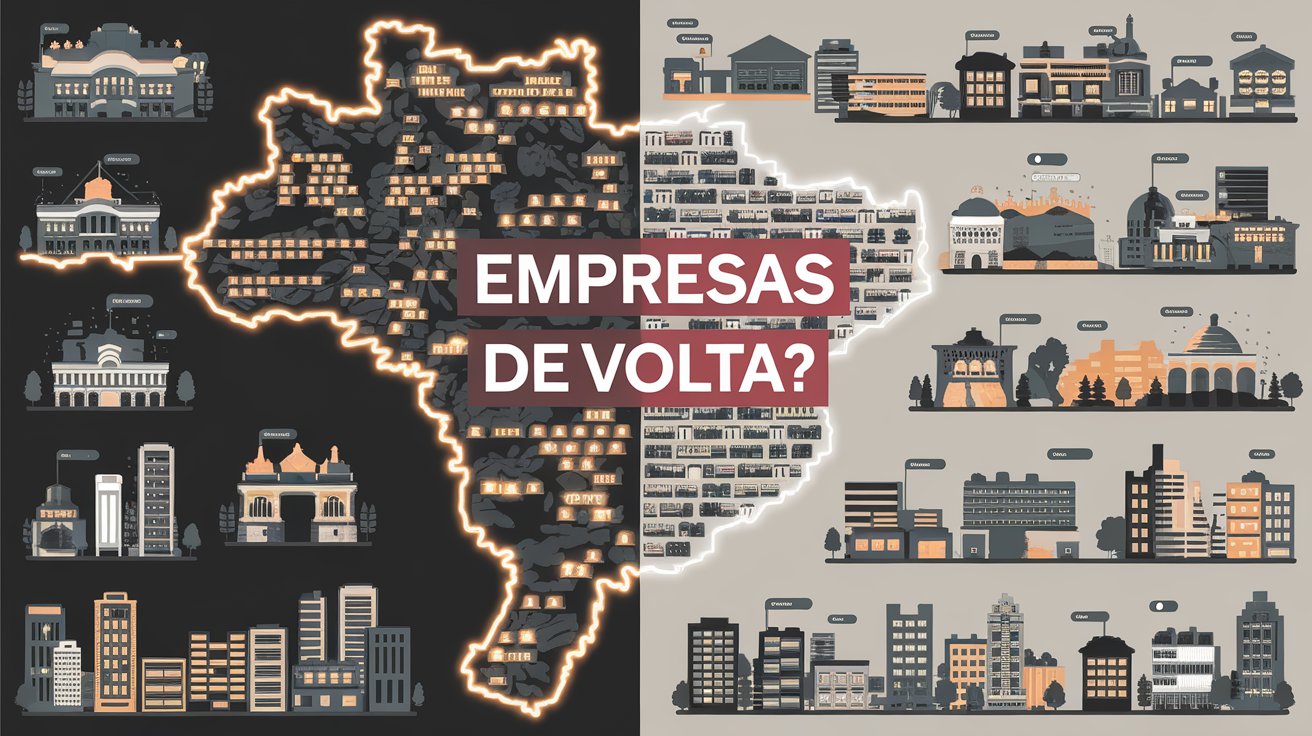

The Tax Reform Can Change Brazil! With the End of Tax Incentives, Companies That Fled Wealthy States May Come Back. São Paulo and Other Economic Hubs Are Already Feeling the Movement of Return. Who Wins and Who Loses in This New Era Without Tax War? Discover the Impact of This Tax Revolution!
The ongoing tax reform in Brazil may trigger a major change in the national productive sector.
With the gradual end of tax incentives granted by states, companies that migrated to less developed regions in search of tax advantages may reconsider their location and return to states with more consolidated infrastructure.
The impact of this change is expected to be significant for the economy, particularly for states that have utilized these subsidies as a strategy to attract investments for decades.
-
Rio de Janeiro Buses Stop Accepting Cash: How to Pay and Maintain Fare Integration

-
Toll Fees in São Paulo’s Countryside Drop by Up to 50% Starting Today

-
Petrobras Invests $2.3 Billion in Brazilian Coastal Shipyards, Creating Over 5,000 Jobs and Revitalizing the Naval Industry

-
$2.5 Billion Amazon Potash Mine Aims to Reduce Brazil’s 95% Import Dependency


End of Incentives and New Tax Scenario
By 2033, approximately R$ 200 billion in tax incentives granted by ICMS will be eliminated.
This estimate was made by the extraordinary secretary of the Tax Reform, Bernard Appy.
According to him, the new tax model aims to balance revenue among states, eliminating benefits that favored tax war over the years.
The expectation is that the suppression of these incentives will result in a lower tax rate, without increasing the tax burden, encouraging a more equitable environment for business.
The gradual withdrawal of incentives will start in 2029, with total elimination expected by 2033.
To mitigate the impact on companies that currently benefit from these incentives, a Tax Benefit Compensation Fund will be created, which will allocate R$ 160 billion between 2029 and 2032 to ensure that commitments already made are fulfilled.
More Developed States Should Benefit
Experts point out that the new model may benefit states that lost companies during the tax war, such as São Paulo.
With the elimination of incentives, infrastructure, workforce qualification, and proximity to large consumer markets become decisive factors for the choice of location for industry and services.
According to sources, the Secretary of Finance of São Paulo, Samuel Kinoshita, has already received expressions of interest from companies looking to return to the state.
However, experts warn that not all companies that migrated will automatically return, as many have established economic and logistical roots in the locations where they are located.
Most Impacted Sectors
The impact of the reform will vary according to the sector of the economy.
Companies with lighter capital structures, such as clothing and food industries, tend to move closer to major consumer centers.
On the other hand, sectors that depend on heavy infrastructure, such as slaughterhouses, may face difficulties in relocation due to high costs of demobilization and reimplementation.
A relevant example is the automotive sector.
Automakers that have set up in states offering tax incentives, such as Goiás and Pernambuco, may reconsider their locations.
According to tax consultant Angelo Angelis, these companies depend on complex supply networks and efficient logistical infrastructure, which may favor a return to states like São Paulo.
Additionally, major wholesale distribution centers are also expected to be affected.
Many companies that migrated their operations to ports like Itajaí (SC) and Vitória (ES), seeking tax advantages, are now reevaluating the viability of remaining in those locations after the reform.
The Future of Regions That Will Lose Companies
To avoid an economic collapse in states that have traditionally benefited from tax wars, the reform provides for the creation of the National Fund for Regional Development (FNDR), which will receive transfers from the Union, amounting to R$ 60 billion annually.
These resources will be directed towards investments in infrastructure, innovation, research, and development, aiming to reduce regional disparities.
However, some experts fear that without the incentives, many states may face a situation similar to that of Detroit, USA, which fell into decline after automakers fled.
According to tax lawyer Luiz Bichara, companies that are only in these regions due to tax benefits tend to leave as soon as the incentives are fully eliminated.
Rodrigo Spada, president of Febrafite (National Association of State Tax Auditors), believes that the transition will be gradual, as the decision to relocate involves significant costs.
For him, the end of tax wars will benefit competition by creating fairer conditions among companies.
According to a study by Febrafite, Brazilian states will forgo R$ 267 billion in 2025 due to the granting of tax incentives, but these benefits did not result in significant regional development.
A New Economic Model for Brazil
With the tax transition underway, Brazil is heading towards a new model of economic development.
The success of the reform will depend on how states and companies adapt to the new scenario, balancing the need for revenue with maintaining an attractive business environment.
The debate about the effects of this change continues, but one thing is certain: the end of tax wars marks a new era for the Brazilian economy, with challenges and opportunities for states, companies, and workers.