Portuguese
  Spanish



Petrobras had a 10% drop in natural gas sales in the first quarter of 2020 compared to the same period the previous year, due to reduced demand in the thermoelectric and hydroelectric sectors. In March, non-thermoelectric natural gas demand fell by 9.6% compared to February, due to the impacts of the Covid-19 pandemic.
See Also:
- Review – Petrobras raised its production level to 2.26 million barrels of oil per day in April
- U.S. Government studies a way to grant a loan to the oil sector
- Internship program and technological talent program (with performance in the U.S. for 6 months) offered by CGG for Rio de Janeiro
In electricity generation, the decrease was approximately 33.9% due to the rainfall volume at the beginning of the year, which resulted in fuller reservoirs compared to last year. The information comes from the quarterly report released by Petrobras itself this Monday (27).
The report also states that the global public health crisis did not significantly impact sales and production at the beginning of this year. The average oil, NGL, and natural gas production was 2,909 Mboed, leading commercial production to 2,606 Mboed and oil production to 2,320 Mbpd. Compared to the report issued last year for the same period, total production increased by 14.6% and commercial production increased by 13.3%.
-
Oil Prices Rise as U.S.-Iran Tensions Heighten Concerns Over Global Supply and Energy Market Stability

-
Explosion at QatarEnergy Plant in Ras Laffan Kills 13 and Injures 66; Investigation Rules Out Sabotage

-
Brazil’s Búzios Oil Field Sets Record with 1.2 Million Barrels Per Day, Strengthening Global Leadership in Deepwater Production
-
Petrobras and Equinor Reach Agreement for 50% Stake in Itaimbezinho Block in Brazil’s Pre-Salt Campos Basin


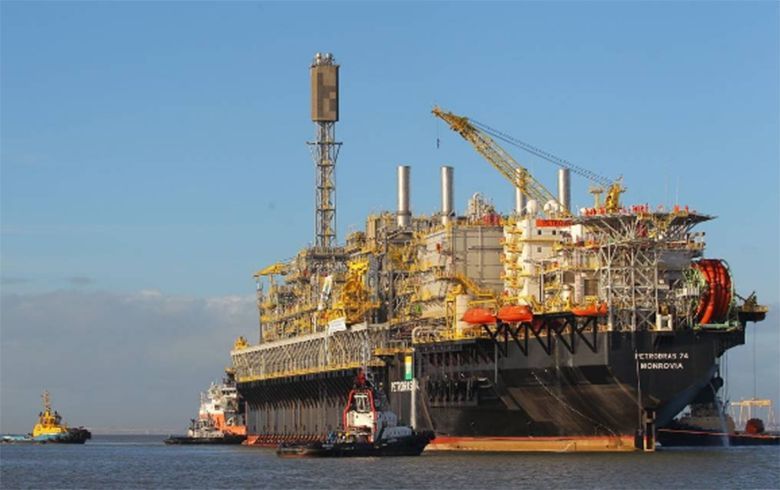
The P-70 platform, which will be in production in the Atapu field, pre-salt of the Santos Basin, has already completed anchoring activities and is finishing interconnection activities. Thus, the state-owned company expects to start production in the first half of this year. The platform has a processing capacity of 6 million m³ of gas per day, the same as the P-71, which is expected to be completed in 2022.