






 Portuguese
  Spanish


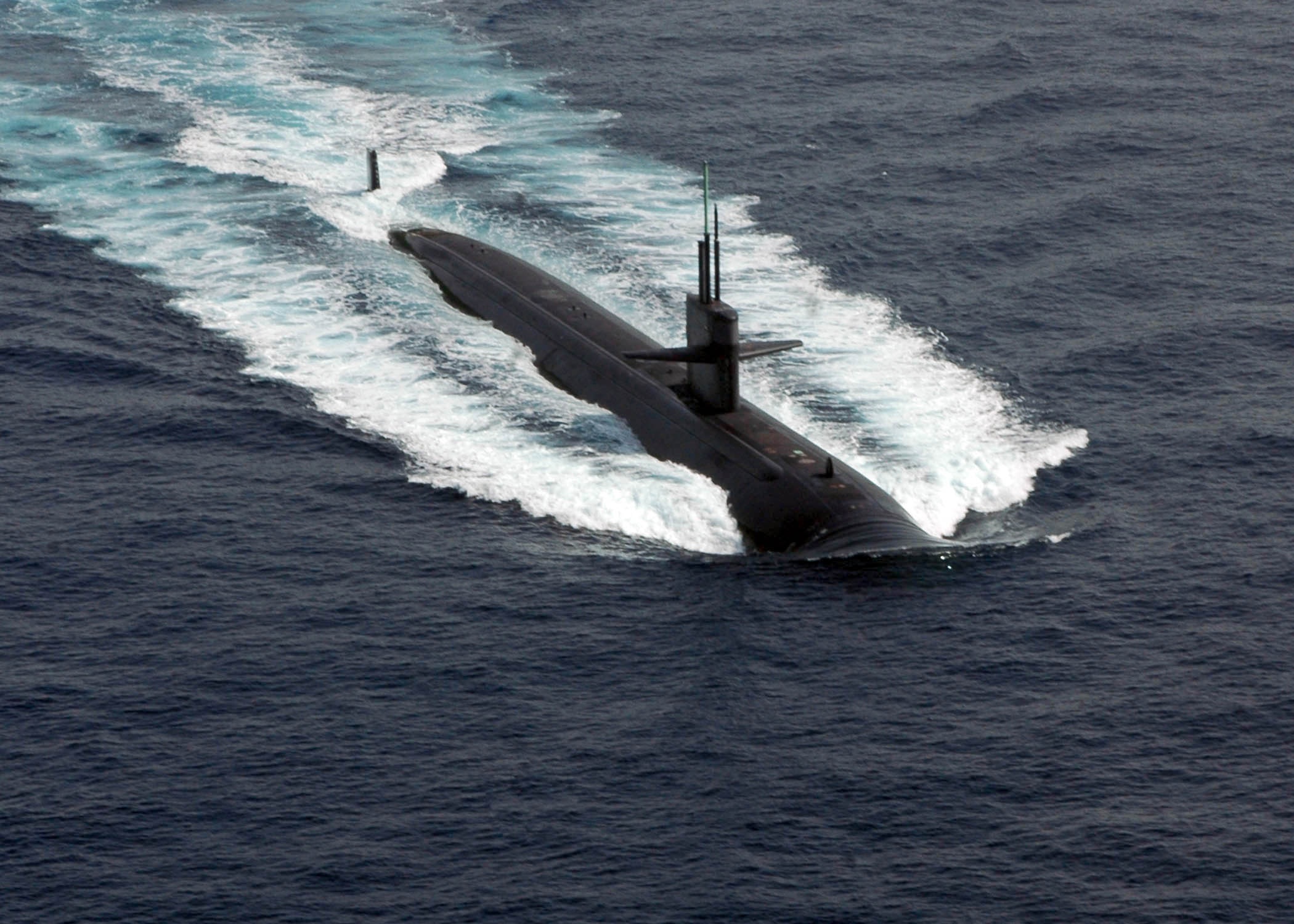

Chinese Submarine With Hypersonic Missiles Increases Tension With The US In The Philippines, Highlighting Military Strategic Advancements And Geopolitical Challenges In The Region
A recently revealed Chinese submarine, which is equipped for hypersonic missile transport, is drawing attention to a significant shift in China’s naval deterrence strategy. The revolution occurs at a time of growing interest in regions of global importance.
Although the People’s Liberation Army (PLA) of China has not officially confirmed the development of this new class of submarines, a report from Naval & Merchant Ships, a publication of the China State Shipbuilding Corporation, outlines details about the design and its capabilities.
The description indirectly confirms both the existence and the strategic purpose of the submarine.
-
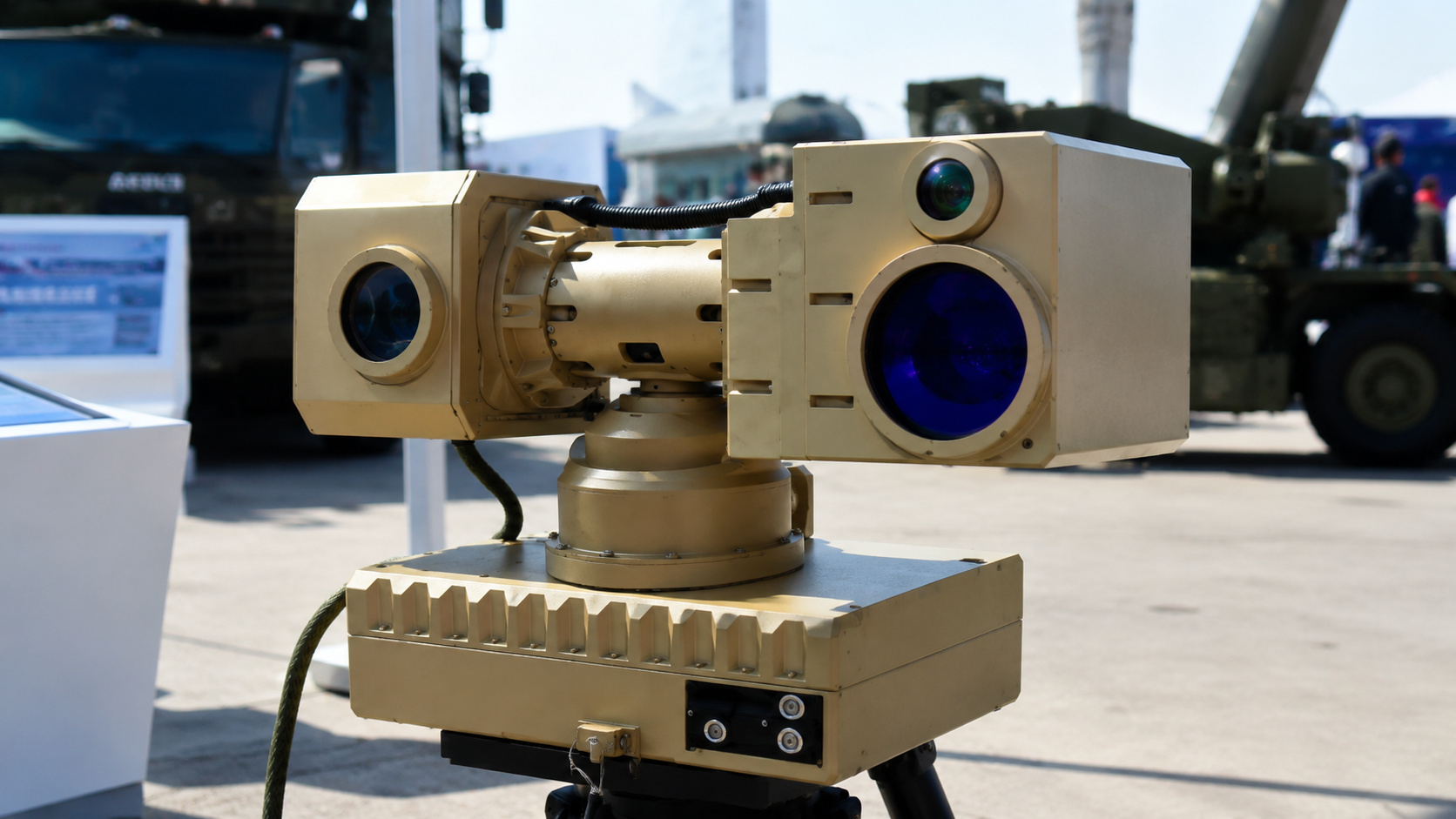
China Unveils Laser Weapon Capable of Instantly Neutralizing Military Drones, Marking a Significant Advancement in Air Defense Technology

-
U.S. Navy’s Ticonderoga-class Cruiser Becomes a 9,800-Ton Missile Fortress with Advanced Aegis System Capable of Tracking Hundreds of Targets

-
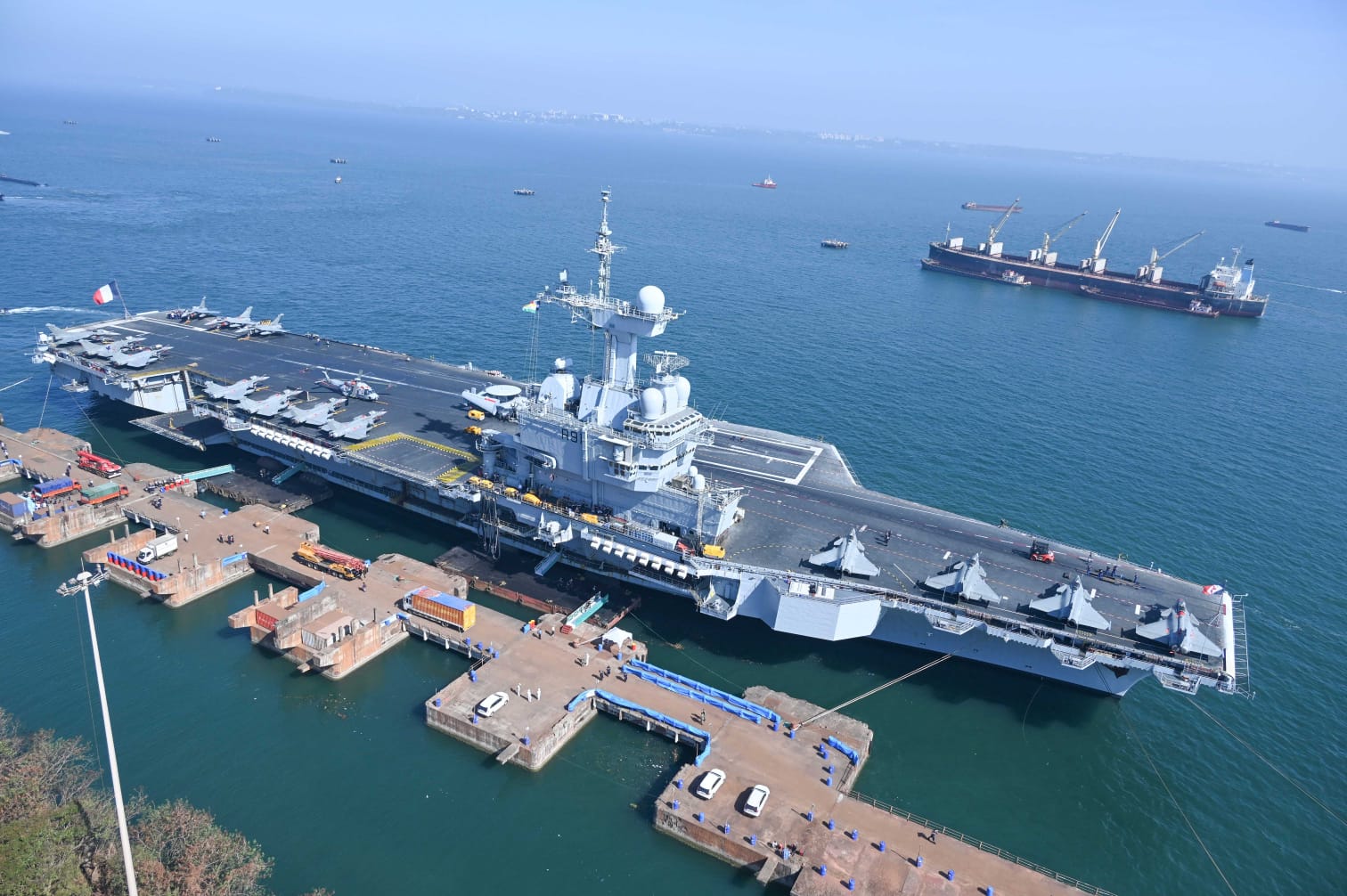
France’s Charles de Gaulle: The Sole Nuclear-Powered Aircraft Carrier Outside the US, Weighing 42,500 Tons and Equipped with Two Atomic Reactors

-
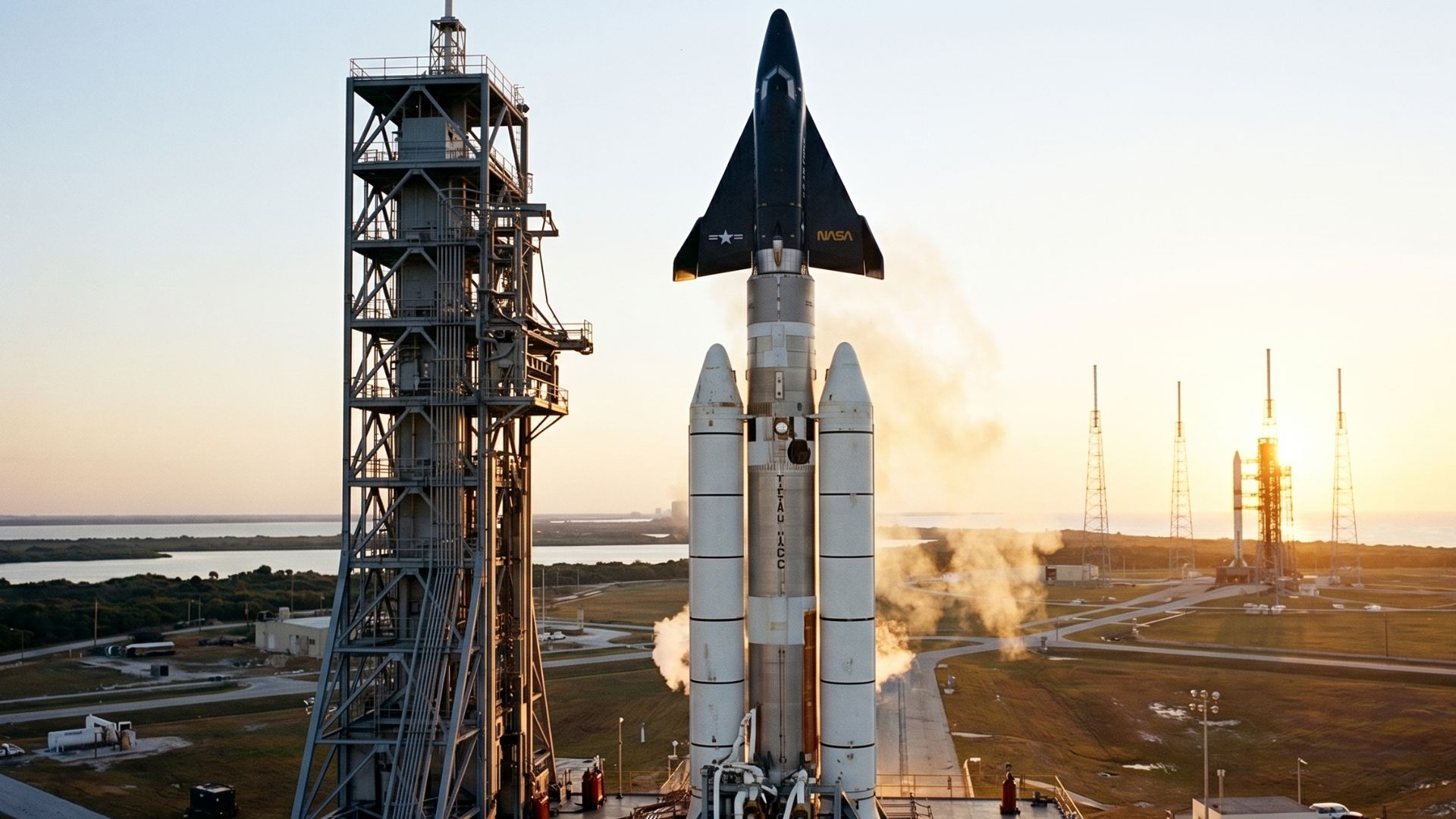
The military spaceplane that almost took the Cold War into orbit: Boeing X-20 Dyna-Soar was designed to re-enter above Mach 20, fly for up to 40 hours, land like a plane, and transform Titan rockets into a gateway to a new era of orbital warfare.

Response To US Typhon Missiles
According to a report released earlier this month, the submarine is designed to strengthen China’s naval power in response to the growing foreign military presence in the region.
The document specifically highlights the deployment of US Typhon missile launchers on Luzon Island in the Philippines during a joint exercise conducted in April of last year.
These launchers are capable of firing long-range missiles, which could potentially target countries such as China, Russia, and North Korea, as reported by the South China Morning Post.
The report also reveals that the Chinese submarine can carry advanced hypersonic missiles. This capability will enable covert strikes that can overcome enemy defenses and, if necessary, launch nuclear warheads.
Operating in conjunction with other military forces, the submarine will play a crucial role in deterring carrier groups and enemy bases located within the so-called first island chain.
Strategy For The First Island Chain
The first island chain, stretching from Japan to the Philippines, is considered an essential part of the US military strategy. It functions as a crucial defensive barrier against PLA operations.
The report indicates that the new Chinese submarine, operating alone or in small groups, can force enemy forces to disperse, creating an asymmetric deterrence.
This tactic would provide Chinese forces with a significant strategic advantage in terms of offensive capability and human resources, increasing their chances of success in critical operational zones.
Technology And Criticism In Washington
Satellite images detected the submarine for the first time at a shipyard located in Wuhan in mid-2024.
The images suggest that the submarine incorporates cutting-edge technologies, such as a vertical launch system (VLS) for ballistic cruise and anti-ship missiles. It also features an X-shaped tail fin designed to enhance its agility and stability.
During a potential conflict, the submarine could perform functions similar to those of nuclear submarines.
Among these functions are saturation attacks against surface ships and long-range precision strikes against land targets, including US missile defense systems installed in northern Philippines.
China has criticized the consistent deployment of Typhon launchers on Luzon Island, labeling the system as “a strategic asset and a weapon of intervention.”
The United States, in turn, continues to negotiate the installation of these systems in other countries, such as Japan, Germany, and Denmark, as part of a strategy to reinforce the blockade of strategic passages in the Western Pacific.
Strategic Environment In The South China Sea
Finally, the submarine’s air-independent propulsion (AIP) system may be particularly useful in the contested South China Sea. This region has an average depth of over 1,200 meters and complex underwater features, including islands, reefs, and deep trenches.
Such conditions make the environment challenging but strategically important for stealth operations, reinforcing the submarine’s role in defending Chinese interests.
With information from Interesting Engineering.


