Portuguese
  Spanish


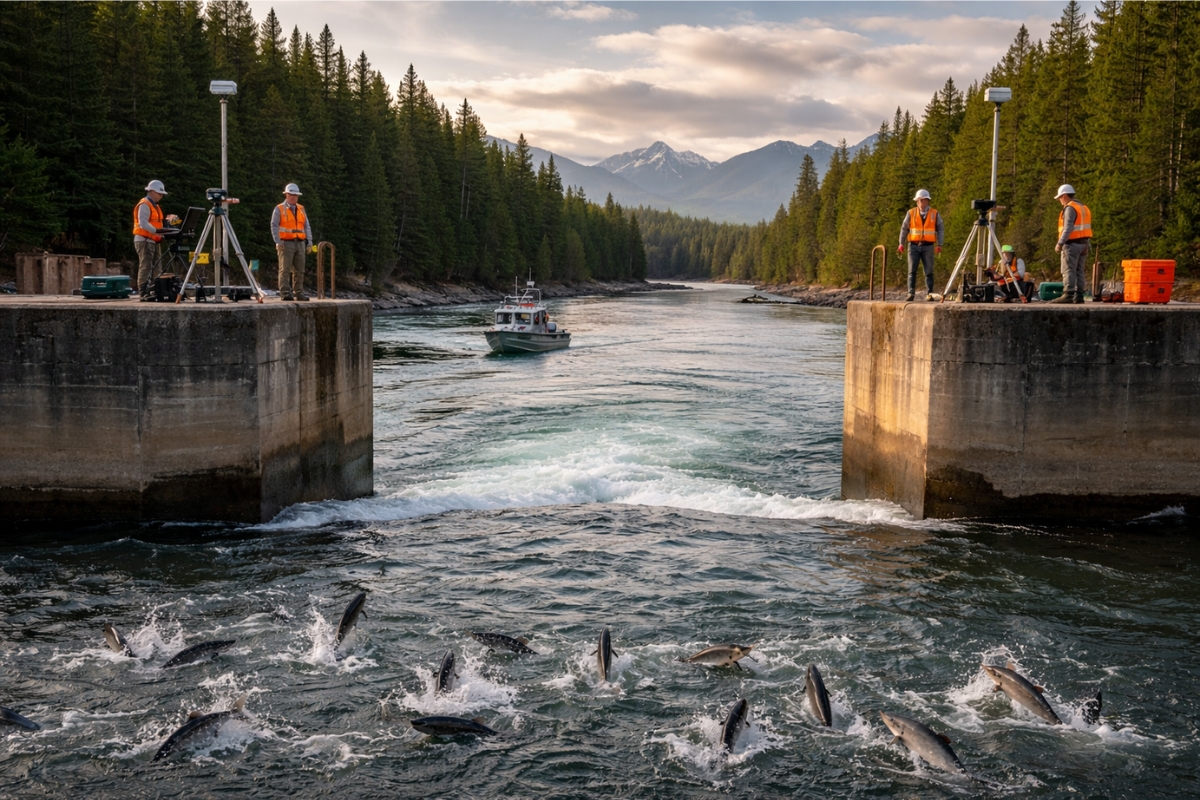


In One of the Most Important Rivers for Salmon in the Western US, Teams Removed Four Dams Costing About US$ 500 Million to Reopen Migration, Trigger Reconnection of the Corridor and Draw Attention from Researchers
One of the most important rivers for salmon in the western US has regained a free passage for the species in sections that had been inaccessible for over a century. This change occurred following the removal of four large dams in the system.
The project involved a large-scale operation, costing approximately US$ 500 million, including the main budget and contingency values related to execution.
What Changed with the Removal of Four Dams in One of the Most Important Rivers for Salmon in the Western US

The removal of the structures restored flow connectivity and reopened routes that had been interrupted for decades. The main effect is practical: salmon can once again advance to important areas of the reproduction cycle.
-
Japanese Manufacturer Dominates Global Bicycle Gear and Brake Market, Supplying 70% of Mid to High-End Bikes, Including Tour de France Winners

-
German Startup Raises €8 Million to Build Robot for 24/7 Harvesting of Tomatoes, Cucumbers, and Peppers Without Human Labor

-
The Pharmaceutical Glass Invented by a German Chemist in 1884 Was Crucial for 75% of Global COVID Vaccine Projects
-
Dinosaur Bone Found in 1985 on James Ross Island Identified as First Confirmed Titanosaur Fossil from Antarctica, Shedding Light on a Once-Green Continent


The “over 100 years” mark refers to the time of blockage of the migratory corridor, not to the age of the dams. The result is the resumption of a historic route that had been limited for a long time.
With the pathway reopened, one of the most important rivers for salmon in the western US is functioning again as an ecological corridor on a scale not seen for generations.
How Sonar Is Being Used to Count Fish in One of the Most Important Rivers for Salmon in the Western US

The monitoring of fish return utilizes sonar, a technology capable of recording passage even when the water is murky. This allows for tracking movement more consistently over time.
The counting helps to understand whether the return is occurring sporadically or if it is starting to form a more stable pattern. This type of measurement also shows in which sections migration appears most strongly.
The goal is to turn the return into verifiable data, with continuous and comparable records over time in one of the most important rivers for salmon in the western US.
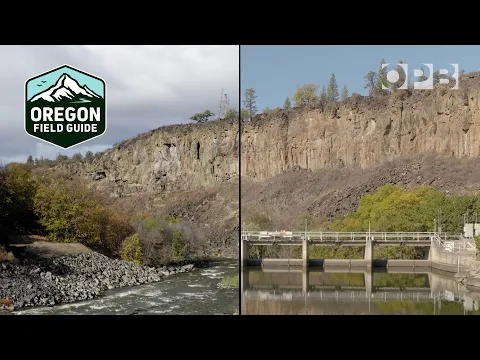

US$ 500 Million Project Transformed One of the Most Important Rivers for Salmon in the Western US into a Benchmark for Dam Removal
The removal of the four dams has become one of the largest projects of its kind in the United States. The scale of the investment is noteworthy as it involves logistics, heavy construction, and direct environmental impact.
The operation requires technical monitoring to understand what happens in the river after removal. This includes observing flow behavior and the advance of fish along the corridor.
The information was released by Associated Press, an international news agency with broad coverage.
What May Happen Now with the Return of Salmon in One of the Most Important Rivers for Salmon in the Western US
With the pathway cleared, the return of salmon may gain momentum as the seasons progress. The recovery of a river does not happen instantaneously, and the first signs need confirmation over time.
The trend is for monitoring with sonar to continue tracking fish and indicating whether the reopened corridor is solidifying as an active migration route.
The central point is that one of the most important rivers for salmon in the western US has regained passage in previously blocked sections, opening a new phase for the Klamath River and for the salmon cycle.