






 Portuguese
  Spanish




Equinor and Petrobras Join Forces with Repsol Sinopec in Gigantic Milestone in the Oil and Gas Industry, Discovering Volumes Above One Billion Barrels of Oil Equivalent.
After Awarding a Multimillion Dollar Contract to Archer, Repsol Sinopec Brasil just announced, together with its consortium partners Equinor and Petrobras, a monumental piece of news that promises to shake up the oil and gas sector. The operator Equinor submitted to the National Agency of Petroleum, Natural Gas and Biofuels (ANP) the Commerciality Declarations for two extremely promising fields, located in the concession of block BM-C-33, in the pre-salt of the Campos Basin.
Located about 200 km off the coast of Rio de Janeiro, at depths of up to 2900 meters, these fields present recoverable volumes that exceed the mark of one billion barrels of oil equivalent. Although they are still awaiting regulatory confirmation, the proposed names for these underwater jewels are Raia Manta and Raia Pintada.
Fuel for the Future: The Power of Natural Gas
The role of these fields in the evolution of Brazil’s gas market cannot be underestimated. With an impressive flow rate of 16 million cubic meters of gas per day and projected average exports of 14 million cubic meters daily, Raia Manta and Raia Pintada have the potential to meet up to 15% of national gas demand or match the average consumption of the state of São Paulo.
-
OPEC+ Boosts Oil Supply by 188,000 Barrels per Day in July 2026, Leading to Price Drop from $112 to $89 per Barrel in Under Two Months

-
TotalEnergies Signs 20-Year Deal to Purchase 2 Million Tons of LNG from Alaska, Boosting Project Viability
-
Turkey Deploys Çağrı Bey Drilling Ship to Explore New Oil Frontier Off Somalia’s Coast
-
Golden Pass LNG Ships First Liquefied Gas Cargo from the U.S., Completing $10 Billion QatarEnergy and ExxonMobil Investment


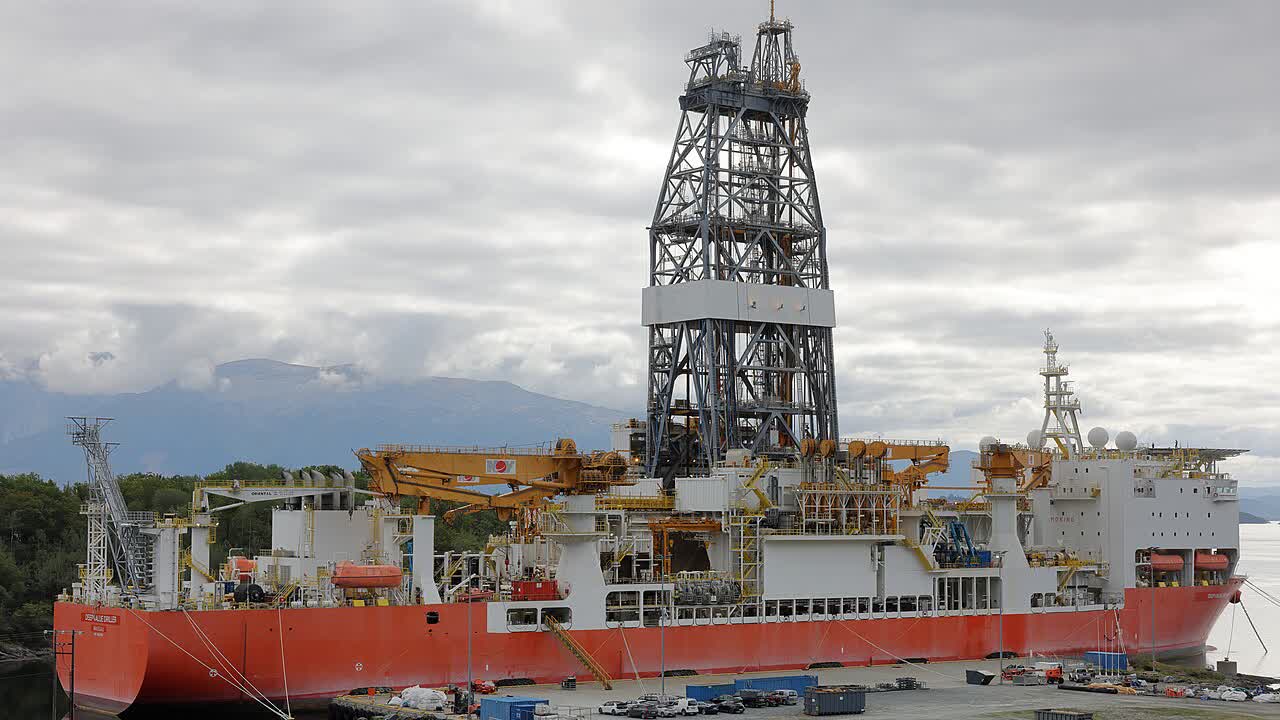

Repsol Sinopec’s CEO, Alejandro Ponce, emphasized that “this project is strategic for the Repsol group on a global scale and reaffirms our commitment to an increasingly efficient and sustainable Brazilian market.”
Technological Innovations: FPSO and Sustainability
The fields will employ a Floating Production, Storage and Offloading Unit (FPSO), the first in Brazil designed to specify gas for direct sale, without the need for onshore processing. This FPSO’s estimated daily production capacity is 126,000 barrels and 16 million cubic meters of gas, with an expectation of average exports of 14 million cubic meters of gas.
Additionally, the unit will utilize combined cycle gas turbines, significantly more efficient in reducing carbon emissions, contributing to a cleaner and more sustainable energy future.
Legacy and Economic Impact
With an expected investment of around US$ 9 billion and operations planned to start in 2028, the Raia Manta and Raia Pintada fields promise to be a game changer in the Brazilian energy industry.
“These fields have enormous potential to accelerate a reliable energy transition, providing a cleaner, safer, and more accessible energy source while generating more jobs and economic development for the region,” underscored Andrés Sannazzaro, Gas Marketing Manager at Repsol Sinopec.
Pioneering and Contribution to the Market
Operating for over 25 years in Brazil, Repsol Sinopec is no stranger to the territory of innovation. Formed in 2010 as a joint venture between Spanish Repsol and Chinese Sinopec, the company has been one of the largest investors in the sector in Brazil over the last decade. In addition to the notable advancement with the fields in BM-C-33, the company has been proactive in creating integrated Processing and Flow Systems, demonstrating its commitment to developing a competitive and sustainable market in the country.
The announcement of these new fields is yet another milestone in the successful trajectory of Repsol Sinopec and its partners, Equinor and Petrobras, further solidifying the importance of the pre-salt in the Brazilian energy matrix.








