






 Portuguese
  Spanish
  2 min of reading
  0 comments


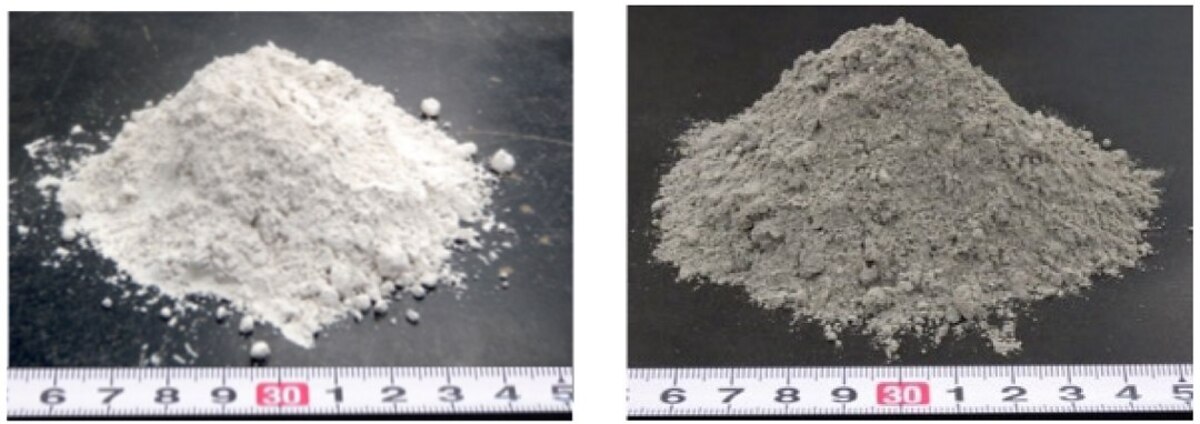
New Soil Stabilizer Uses Recycled Sand and Coating Powder to Stabilize Weak Soils and Reduce Emissions in the Construction Industry
Japanese engineers have managed to transform two types of waste into a new building material, creating an alternative to Portland cement while giving a new use to leftovers from the construction industry. The developed product is called “high-performance soil stabilizer.”
The innovation is based on a geopolymer created from the silica contained in sand. This sand can come from either construction leftovers or recycled glass.
Furthermore, the material utilizes a powder obtained during the cutting of coatings, such as fiber cement, ceramics, and stones. The combination of these elements generates a stabilizer that increases the soil’s resistance beyond the 160 kN/m² required for use in the construction industry.
-
Luciano Hang buys for R$ 140 million the last mansion standing on the beachfront of the “Brazilian Dubai”: a 1,415 m² property with a front view of the sea, surrounded by skyscrapers in one of the most valuable square meters in the country, in Balneário Camboriú.

-
Goodbye, concrete in the backyard: the 60s trend is back in full force and has become an alternative in construction

-
Without tiles, grout, or demolition: laminated panels that click onto the wall promise to speed up bathroom renovations by up to 5 times, cover old surfaces, and eliminate joints where mold, dirt, and germs usually accumulate.

-
He got tired of renting, bought an old school bus, removed the seats, modified the roof, reinforced everything with steel, and created a two-story mobile home that looks small on the outside but houses two bedrooms inside.




A fundamental step for the creation of the material was the thermal treatment of the coating powder. This process occurs at temperatures between 110 °C and 200 °C. The application of this heat improves the reactivity of the powder, reducing the amount of material needed without compromising the final product’s performance.
According to Professor Shinya Inazumi from the Shibaura Institute of Technology, this solution represents an important advancement in the search for sustainable building materials.
He emphasizes that by using two industrial wastes, it was possible to create a stabilizer that meets the standards required by the industry while also helping to address the problem of construction waste and carbon emissions.
Although it does not replace Portland cement on a large scale, as there are not enough waste materials for that, the new material can be applied in various practical situations.
In Inazumi’s words, the technology allows for the stabilization of weak soils in urban infrastructure projects such as roads, buildings, and bridges.
This eliminates the need to use Portland cement, known for its high carbon emissions, especially in clay soil areas, where traditional methods are costly and harmful to the environment.
The product also offers benefits in areas prone to landslides. In these regions, the soil can be quickly stabilized with the new stabilizer, addressing emergency situations.
Additionally, rural projects can use the material to create stabilized soil blocks, providing a low-carbon option as a substitute for traditional bricks and concrete.
“By developing a geopolymeric stabilizer from easily available waste, we are not only creating a sustainable solution but also redefining the value of industrial by-products,” concludes Inazumi.
With information from Technological Innovation.






Be the first to react!