






 Portuguese
  Spanish
  3 min of reading
  0 comments


Canada Starts A Grand Project Aimed At The Energy Transition, Focusing On Energy Transport To Other Countries.
Canada is committed to the construction of one of the largest energy infrastructures in North America. This venture, although less known than traditional power plants or dams, is of equivalent complexity and of vital importance for the global energy transition. With the ongoing global energy crisis, exacerbated by record gas prices and the shortages worsened by the conflict in Ukraine, ensuring an adequate fuel supply has become a critical challenge, and this Canadian project emerges as a key player in this scenario.
Energy Project In Canada Already Surpasses Investment Of US$ 30 Billion
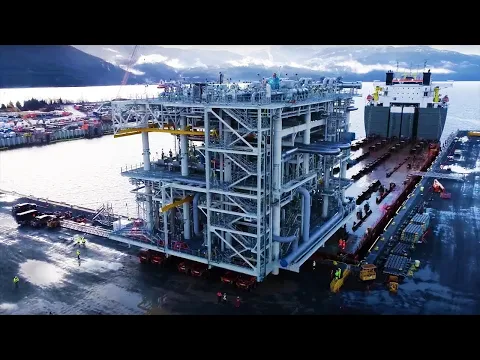

When this enormous construction in Canada is completed in a few years, it could provide a much-needed fuel source that will reach remote regions and provide a significant boost to the economy. This energy venture represents the largest investment ever made by the private sector in Canada’s history.
However, in a scenario where competition among countries is fiercer than ever and the energy transition is on the rise, the question arises whether Canada will seize this opportunity to become an energy superpower or if it has already lost that chance.
-
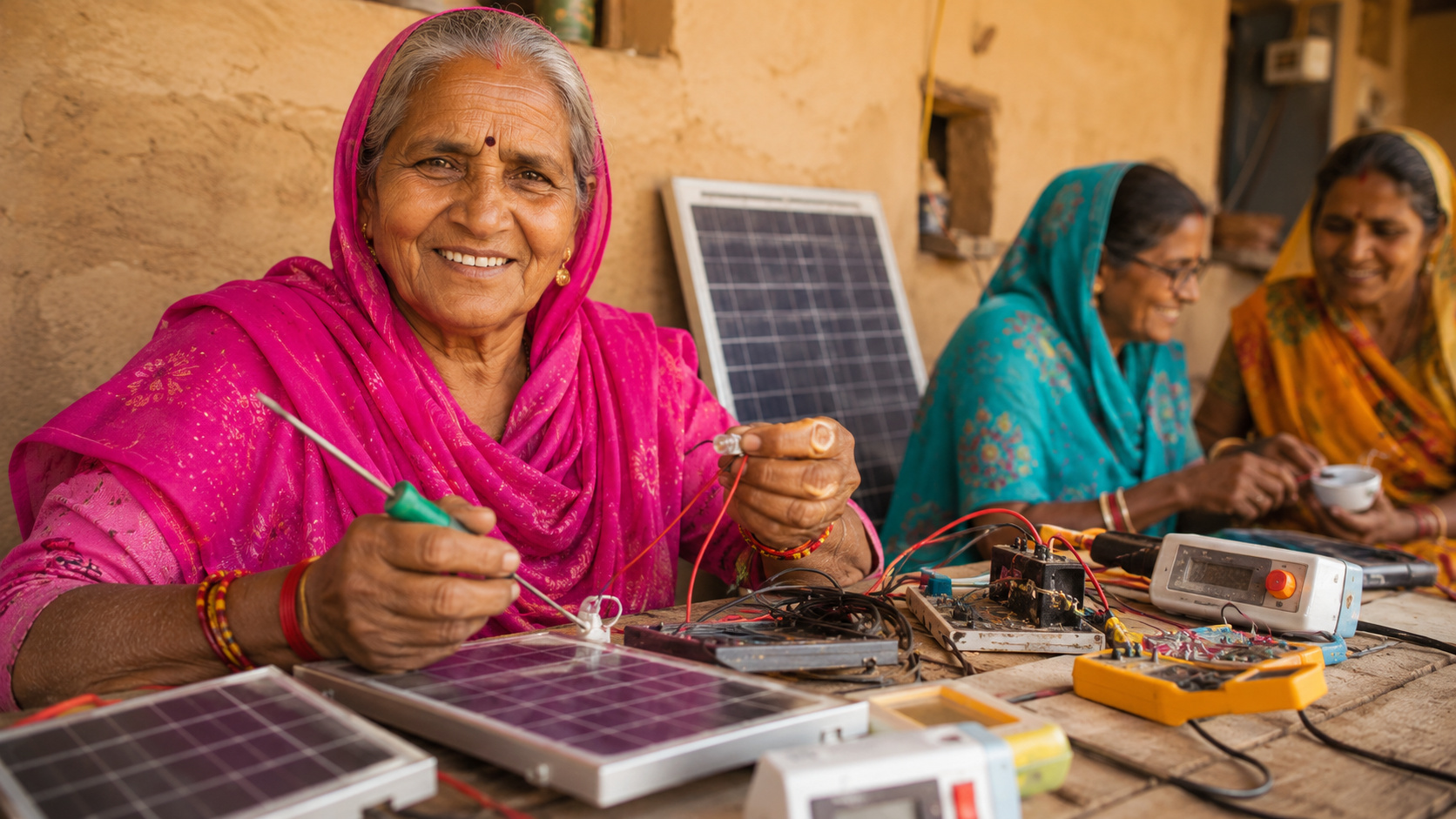
Illiterate or semi-literate grandmothers were trained to repair solar systems, open rural workshops, and light up homes that still depended on kerosene.

-
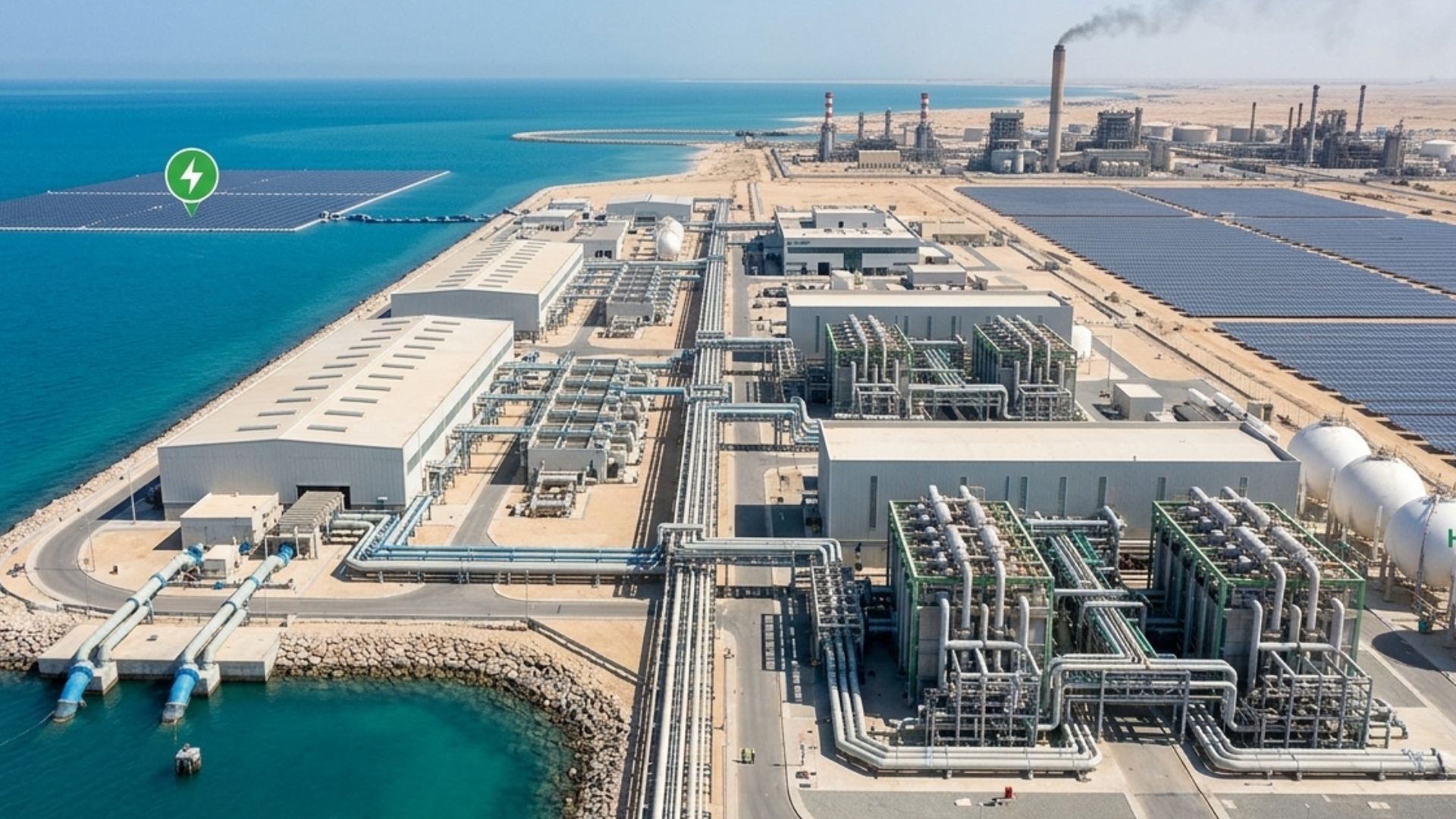
The world has bet on green hydrogen as the fuel of the future, but now faces the side effect: producing 1 kilogram requires about 9 liters of ultrapure water, and the largest projects on the planet are precisely in the driest regions of the Earth, where water is already scarce for people.

-
Africa has about 500,000 cell towers and most still burn diesel to operate, while companies rush to cover antennas with solar energy and avoid signal blackouts.
-
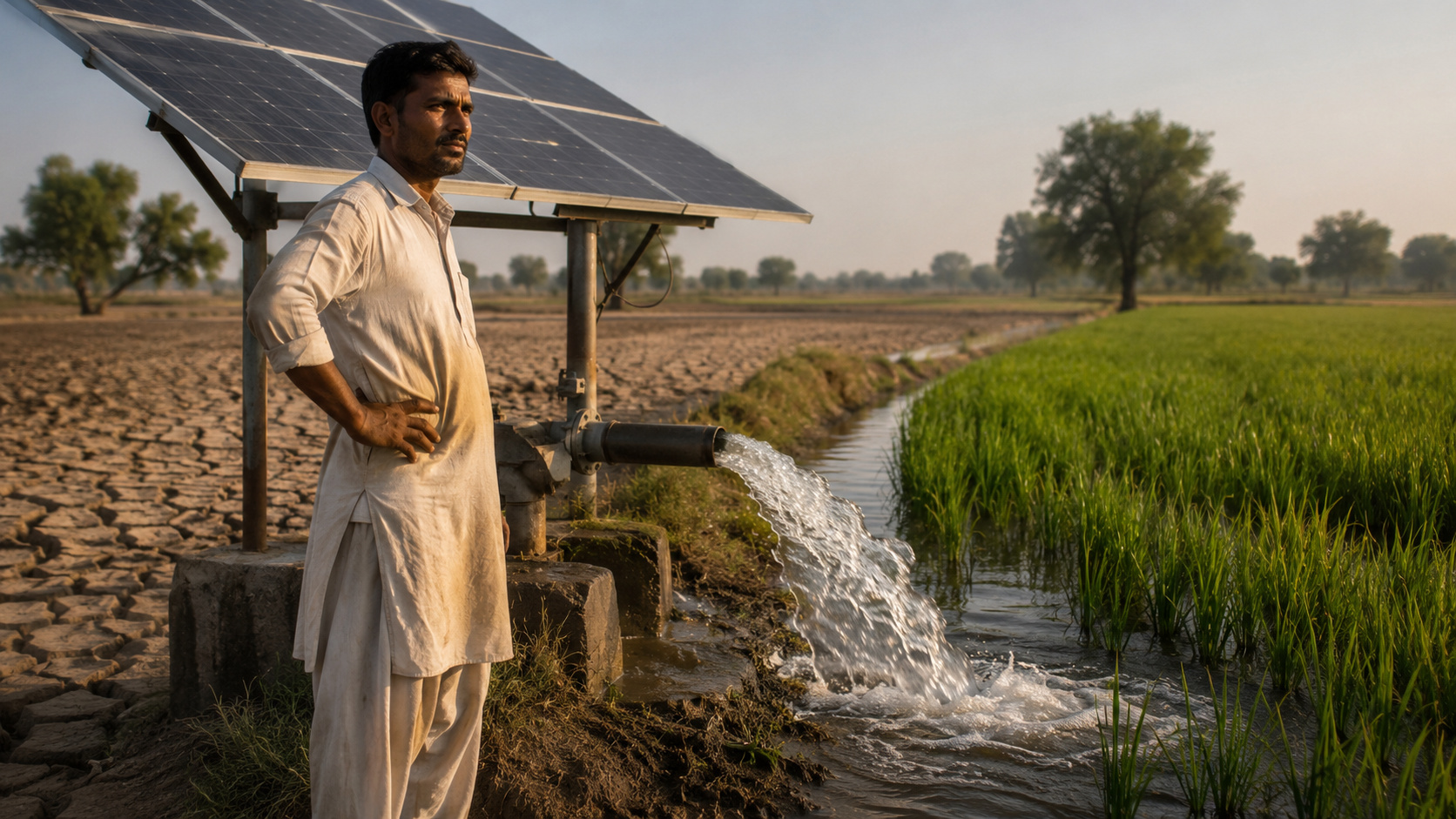
Farmers swapped diesel for solar panels in Pakistan, powered irrigation pumps almost cost-free, expanded rice fields, and now groundwater has become a red alert in the countryside.

All of this is taking place in the small town of Kitimat, led by a consortium called LNG Canada. The country is one of the largest global producers of natural gas, but unlike the United States, it does not have the means to export it to other countries.
The gas industry has identified a huge reserve of gas underground located in a region called Montney Basin, in northeastern British Columbia, and the idea is to bring this resource to market to generate profits.
However, the challenge is that there are no major population centers nearby, so they need to transport this gas to other places. For this reason, Canada is building its first liquefied natural gas project for the energy transition, with total costs exceeding $30 billion.
What Has Been Built At The Large Energy Project In Canada?
Com 35 m tall and weighing over 4,500 tons, the first process module has already been installed. The function of these modules is to serve as an entry point for the gas arriving through the pipeline and directing it to be treated and processed. These enormous structures were manufactured in China and transported by ships. However, to take them from the port to the installation site, it was necessary to place them on large transporters and carefully move them along roads before they were set in place.
Specifically built, this was not a one-time job, and in total, more than a dozen of these modules are being installed. Next, we have the absorber column, which is used to remove carbon dioxide from the gas before it is liquefied. Weighing over 800 tons and measuring 54 m in length, it is the largest individual piece of equipment on site, requiring several hours and three cranes to install.
What Is The Main Export Target Of The Project?
What really stands out when viewed from above is the enormous tank where the gas is stored before being shipped by vessels. At 52 m tall and 92 m in diameter, the gigantic reservoir is one of the largest in the world, with a domed roof that was carefully lifted in a slow process. The lift was accomplished using fans that gradually pressurized the tank and raised the roof over a period of three hours.
Once in position, welders secured it in place, allowing the internal pressure of the tank to return to normal. With the construction of the energy transition project in Canada now complete, the terminal is expected to begin operations sometime this decade. Regarding the likely destination of this gas, Asia is the primary target, as it is the continent closest to Canada’s west coast.









Be the first to react!