






 Portuguese
  Spanish
  2 min of reading
  0 comments


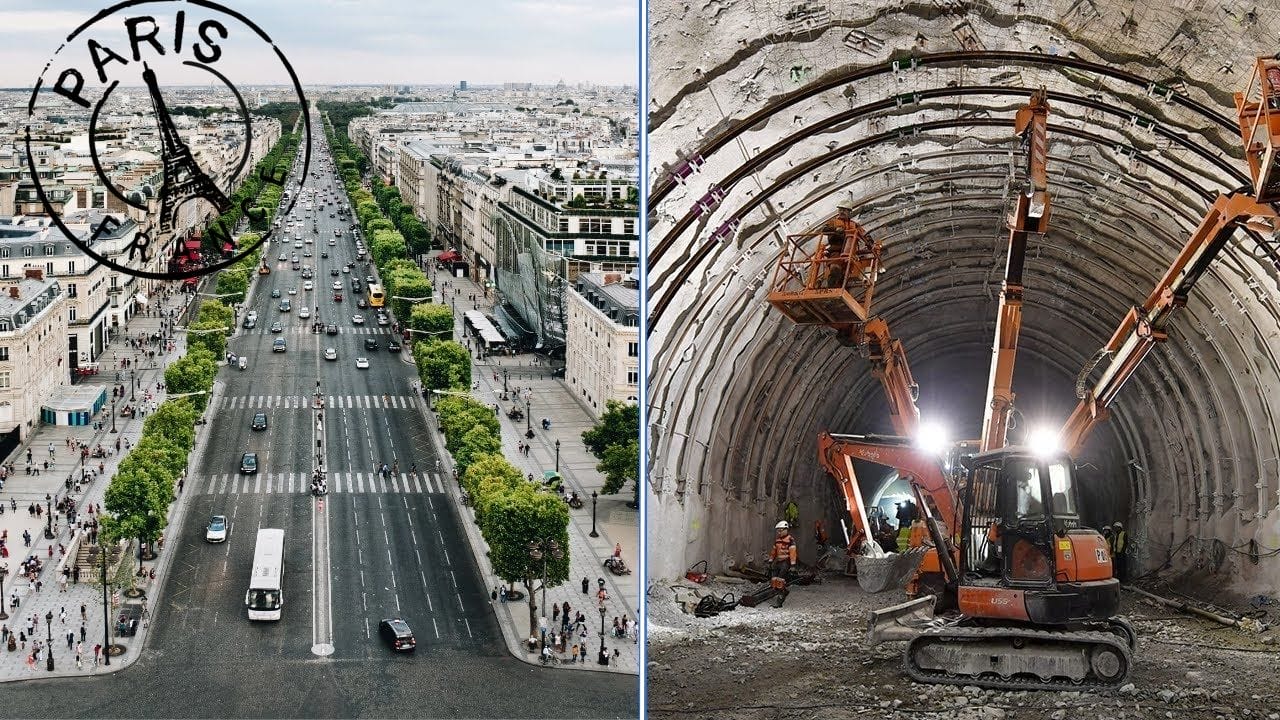
The Ambitious Grand Paris Express Project Promises to Transform the Transportation System of the Paris Region, Becoming a Landmark in European Transportation Infrastructure.
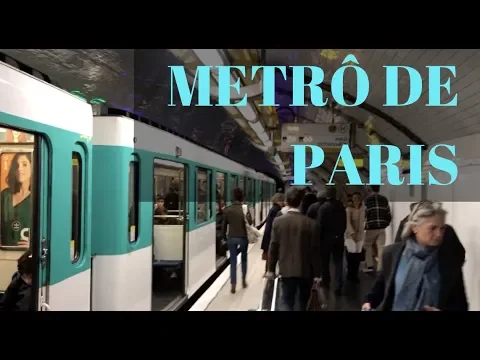
Paris, known for its beauty and charm, faces a unique urban mobility challenge. With an area of just 105 km² and a dense population of around 2 million, the city has struggled to meet the transportation needs of over 10 million residents in the Île-de-France region. The Grand Paris Express project, estimated at an impressive 36 billion euros, is the city’s ambitious response to this challenge.
The project, one of the largest ongoing in Europe, aims to double the length of Paris’ metro network. The Societe du Grand Paris, established in 2010, oversees the addition of 200 km of new lines and 68 automated metro stations, covering lines 15, 16, 17, and 18, as well as extensions of lines 11 and 14. Surprisingly, 90% of these new lines will be underground, reaching depths of up to 52 meters.
Investment in Paris for Better Comfort for Its Residents
Initially budgeted at 19 billion euros, the project’s cost skyrocketed to about 36 billion euros by 2023, due to upgrades and additional costs. The first phase, the extension of line 14, is scheduled to be completed in time for the Paris Olympics in 2024, with the expectation that the entire project will be finished by 2030.
-
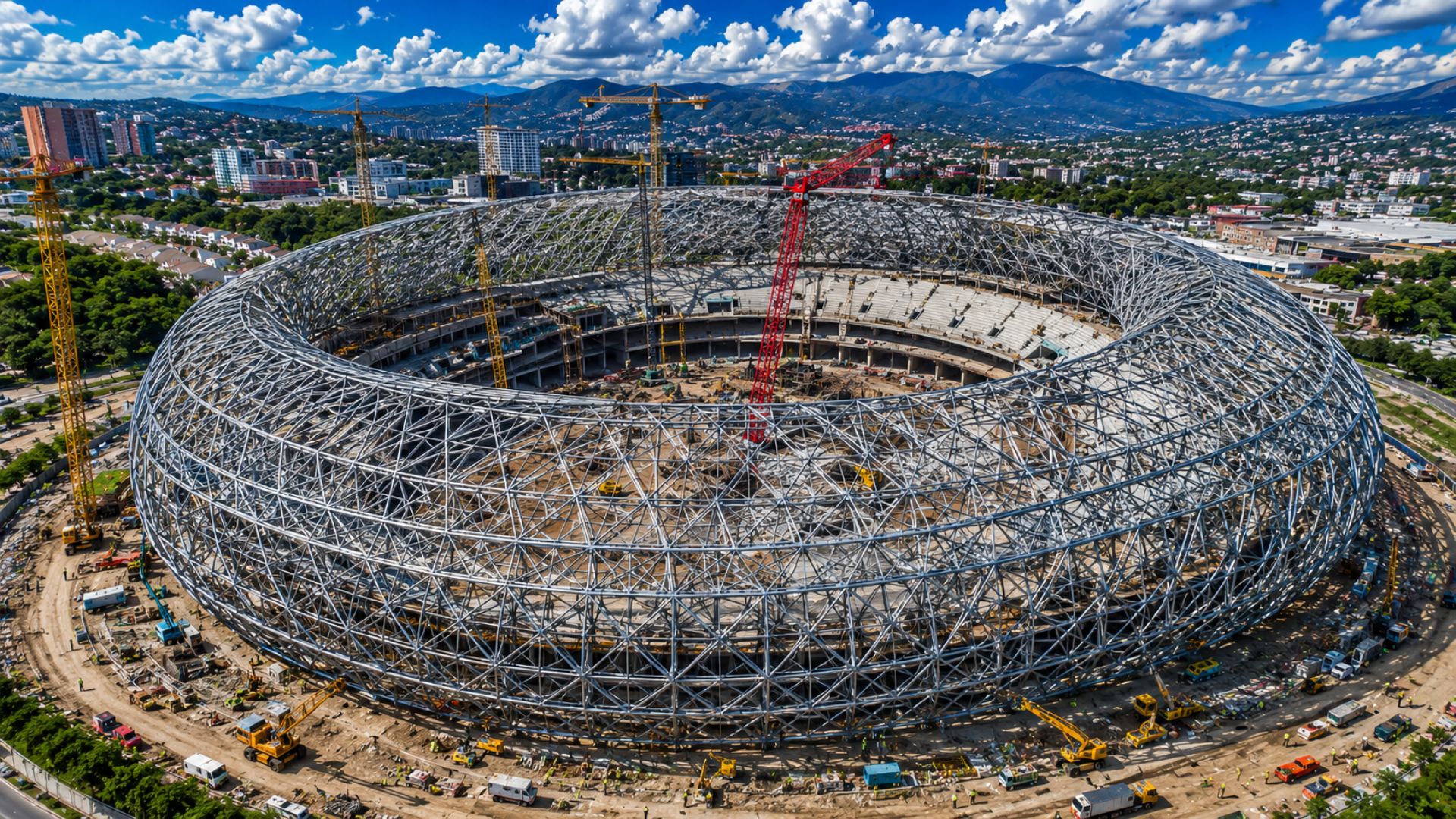
Mega stadium of R$ 2.5 billion financed by China completes perimeter metal structure at 40 meters above ground in El Salvador, with stands and internal systems advancing in parallel towards delivery in 2027

-
Bothered by millions of bricks discarded every year in Norway, a company cuts old pieces into thin slices, secures them with a metal system, and transforms demolition into a new 1,800 m² facade.

-
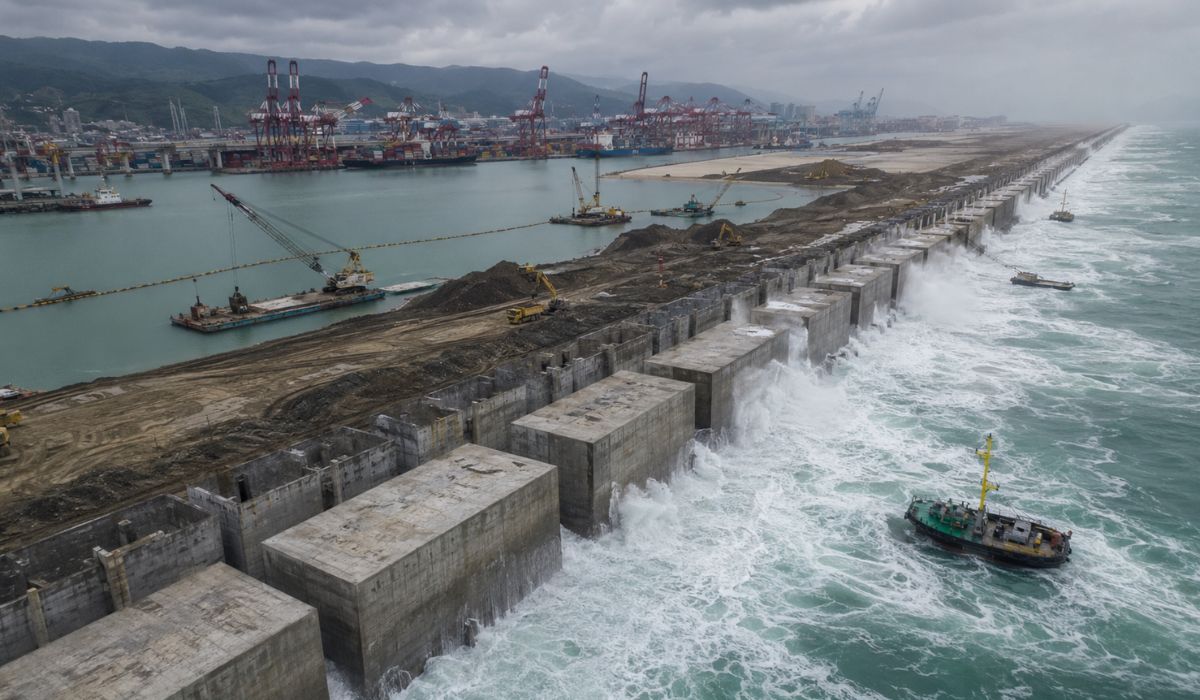
Taiwan erects a 4 km maritime wall in the Port of Taipei, installs concrete coffers against waves up to 7 meters, and transforms dredged sediments into new land to expand one of the island’s most strategic ports.

-
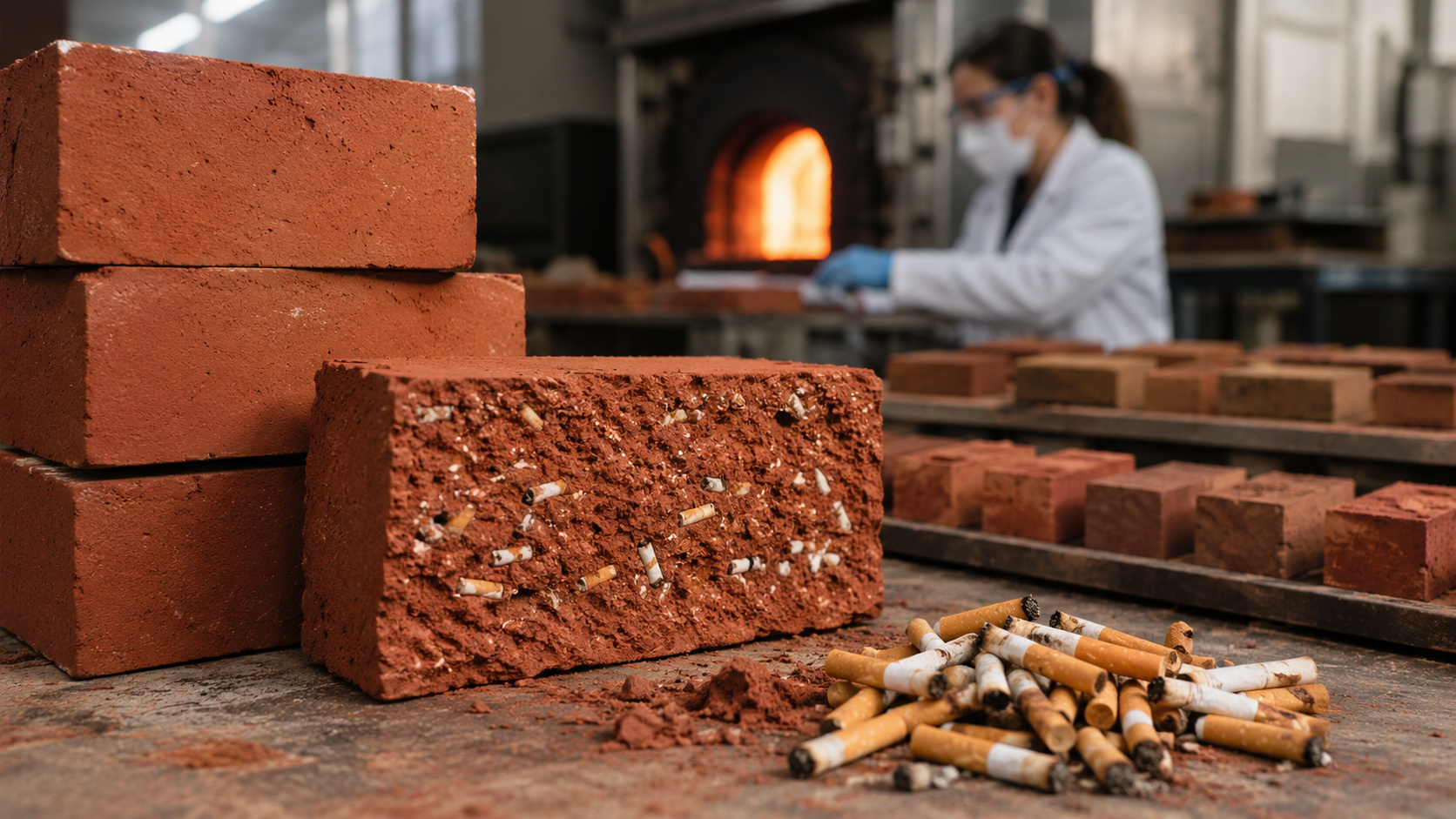
While cigarette butts appear on sidewalks, beaches, and sewers, researchers tested the waste in clay bricks and calculated a 10% savings in burning with just 1% in the mixture.

The Grand Paris Express is not just a transportation project. It aims to reshape the social and economic dynamics of the region, efficiently connecting administrative departments and reducing car dependency, which could significantly lower CO2 emissions. Furthermore, the project seeks to balance economic disparities between eastern and western Paris.
Construction of the Grand Paris Express
The new metro lines and stations, with distinctive architectural design and a focus on passenger comfort, will incorporate shops and other amenities, along with safe spaces for bicycles and cars. The northern and southern extension of Line 14 will serve as the backbone of the network, facilitating access to Orly Airport and connecting with future lines 15, 16, and 17.
For the construction of this colossal project, BIM technology (Building Information Modeling) is being widely used, allowing for efficient coordination among the various construction teams. Meanwhile, tunnel boring machines of German and Chinese origin are tirelessly working to shape the future of transportation in Paris.
Thus, the Grand Paris Express is a step towards a more connected, sustainable, and equitable Paris. With its completion, the project is expected to not only improve public transportation in the region but also significantly contribute to the quality of life in Paris and its surrounding areas.




Be the first to react!