Portuguese
  Spanish


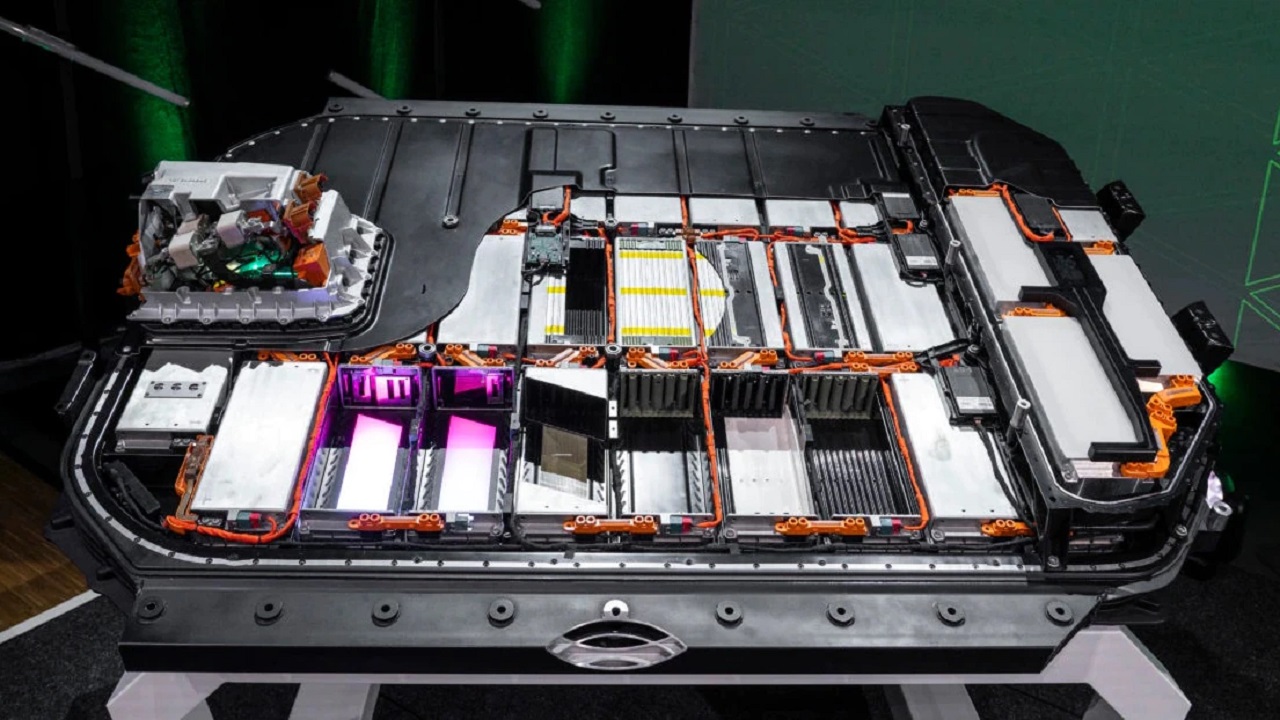

Researchers Develop Salt-Based Battery for Electric Cars. Alternative Promises to Replace Lithium-Ion Batteries.
The lithium-ion battery is the most common in electric cars today, but there are significant obstacles that hinder broader acceptance of this type of vehicle. The mining of precious metals needed to manufacture batteries generates a lot of pollution and exploitation of people. Additionally, these batteries can explode, as has occurred in various cases. Another disadvantage is that they are not very durable, which requires additional capacity. To overcome these issues, some companies are researching new battery technologies.
A promising alternative is the salt-based battery, which uses more accessible and less environmentally harmful materials. These batteries are also more durable and safer than lithium-ion ones. Although still in the development phase, the salt-based battery has the potential to replace the lithium-ion battery in electric cars in the future. This could make electric cars more accessible and sustainable, reducing reliance on precious metals and minimizing the environmental impacts of mining these metals.
New Salt Battery Could Change the Automotive Market
This way it is possible to note that lithium-ion batteries work. However, they cannot be the only means of storing energy, hence a new promising alternative arises, continuing to advance based on two common ingredients found in anyone’s kitchen: water and salt.
-
Rolls-Royce Turns Heads with 30-Inch Floating Wheels, 6.6-Liter V12 Engine, and 563 Horsepower

-
2019 Kia Sportage EX: A Spacious and Cost-Effective SUV with 2.0 Flex Engine and Panoramic Roof
-
Fiat Strada Becomes Top Seller in June, Surpassing Onix, Polo, Hilux, and T-Cross with 107 HP Engine and 732 km Range.

-
Suitcase-sized hydrogen engine spins at 25,000 rpm, nearly doubling the efficiency of conventional cars and replacing exhaust smoke with water vapor


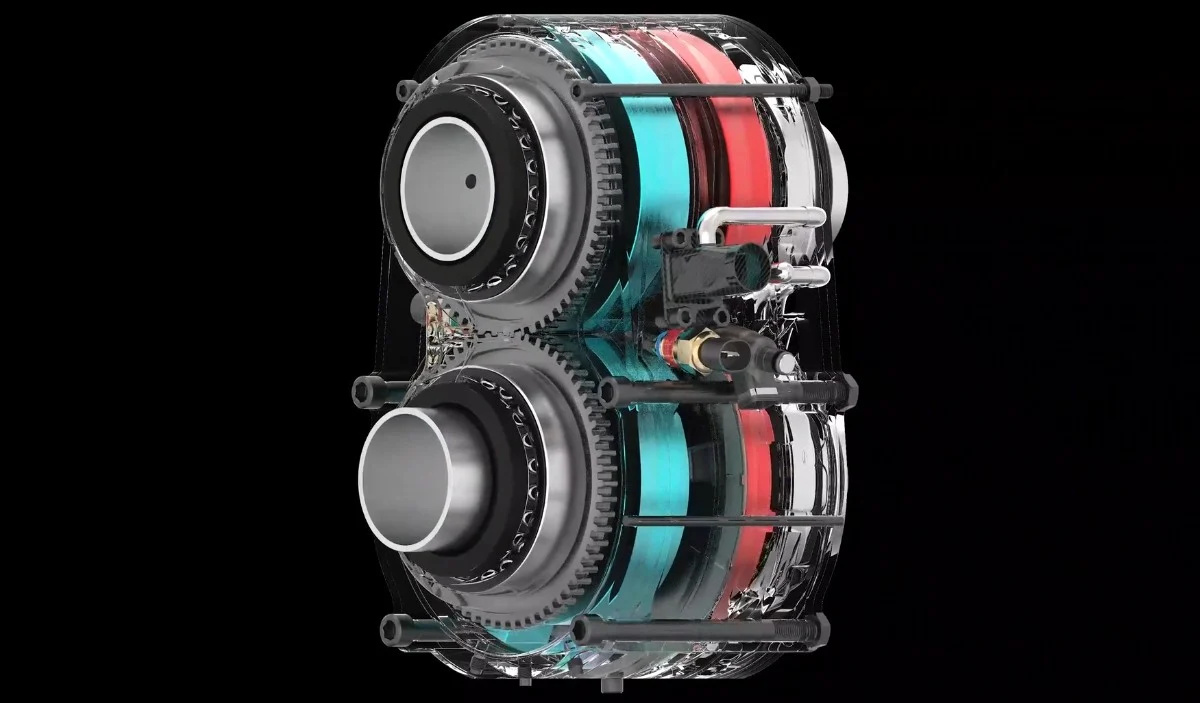
Already present in the market, however far from production for use in electric cars, the salt and water batteries have as their main effect high performance, which could be a great alternative for electromobility.
With these ingredients, the problem of short life, meaning loss of capacity over time, and the aggravating factor of being flammable will be completely eliminated. Because water and salt are not sensitive to temperature changes and, thus, do not catch fire. According to studies, the use of water-based electrolytes needs to receive a certain percentage of dissolved sodium for the batteries to function properly. Based on this, scientists in Sweden began using high concentrations of salt. They discovered that an aqueous electrolyte with a lot of sodium has the capacity to double electrochemical stability.
Researchers Create Battery with 250 Cycles
It is important to note that too much salt can lead to electrolyte crystallization and hinder the performance of the electric car battery. Thus, the scientists had the idea to seek solvents that could prevent this crystallization. Therefore, a lithium-ion battery was created with a non-flammable liquid electrolyte with excellent stability.
In practice, the innovation maintains acceptable performance for over 500 charge and discharge cycles. With the addition of salt and other solvents, the researchers were able to alter the activity of the water molecules during the passage of lithium ions.
In the end, it was possible to develop a salt battery with 250 charge and discharge cycles. However, the quest for performance cannot stop there.
Company Develops Electric Car Powered by Seawater
In May of last year, NanoFlowCell reached a new milestone with its technology aimed at the automotive market, completing 350,000 km with the Quantino 48 Volt car, powered by salt water without any defects.
This way, the expectation now is that the technology, which essentially consists of using a type of saltwater to store energy, will begin to be recognized by the automotive industry as a more viable, efficient, and cost-effective means than others, such as lithium-ion batteries or hydrogen fuel cells, which also do not generate any type of greenhouse gas emissions.
The saltwater-powered electric car acts as a technological demonstration of how this alternative can be adapted to a vehicle focused on urban and low-cost sectors, chosen to perform various tests. In recent years, the prototype of the seawater-powered car developed in Switzerland has already surpassed 250,000 km driven on open roads, where about 100,000 of those were conducted for laboratory tests.