






 Portuguese
  Spanish
  3 min of reading
  0 comments


Occupantless Testing Marks New Phase Of Tesla’s Robotaxis In Austin, Where The Fleet Totals 31 Vehicles, Records Four Accidents Since September, And Advances As Elon Musk Envisions Expansion To Other Cities
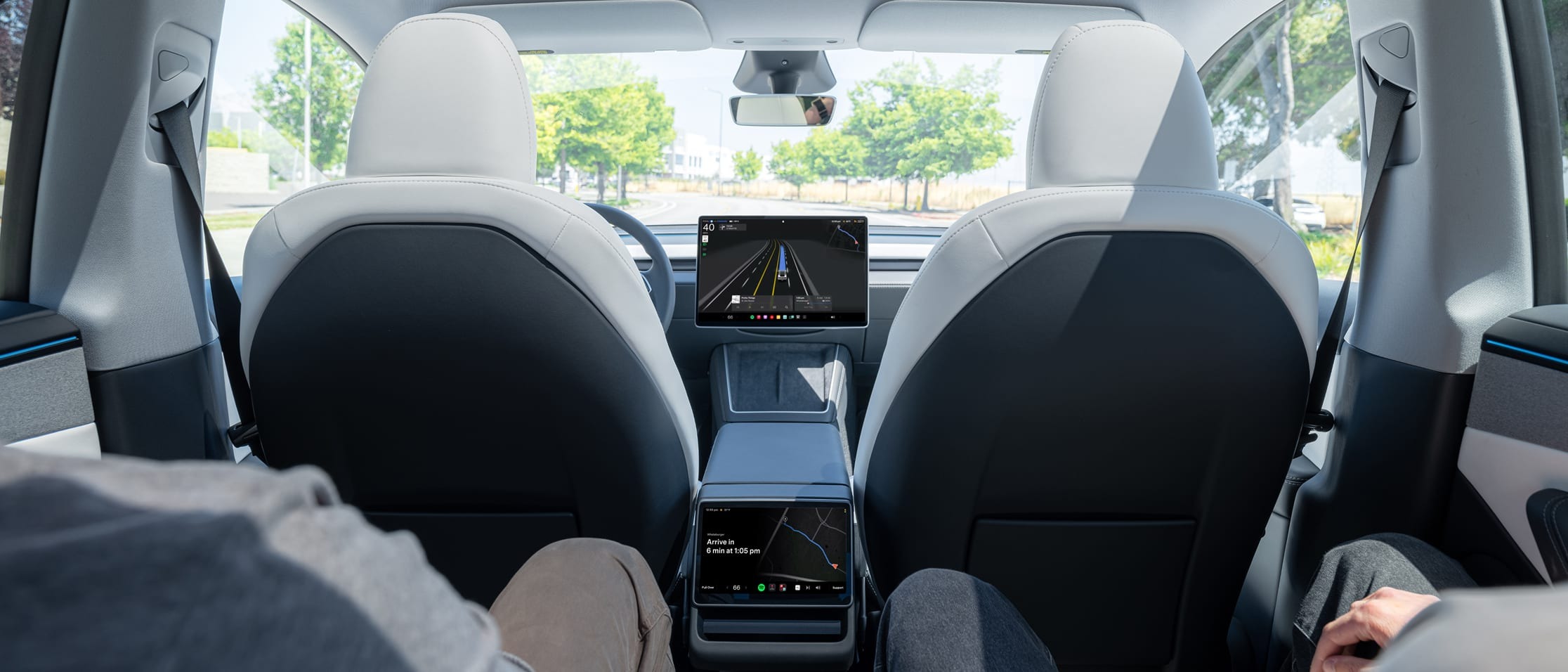
Tesla has begun testing robotaxis without human safety monitors in Austin, according to Elon Musk, after a video showed a Model Y driving empty; the initiative, still limited to testing, signals technical advancement, broadens safety debates, and occurs with a local fleet of 31 vehicles.
The confirmation was made by Elon Musk himself on X, formerly Twitter, in response to a video posted on Sunday showing a Tesla Model Y driving through the streets of Austin without occupants inside the vehicle.
According to Business Insider, the operation without human monitors is only for testing purposes and is not yet available to paying customers, keeping the service restricted to controlled internal evaluations by the company.
-
New 0km electric car costs less than R$ 50,000 with an 18 hp engine, carries up to 6 people, travels over 100 km per charge, recharges in a regular outlet, and surprises by dispensing with airbags and limiting speed to 50 km/h in Mexico.

-
Pressure from residents forces a U.S. energy utility to suspend negotiations with a data center that could require 500 megawatts by 2032 and demand new lines, reinforcements in the power grid, and large infrastructure investments.

-
New Honda HooRide 125 scooter debuts in China with ADV styling, 17-inch wheels, TFT panel, Smart Key, and fuel consumption of up to 47.17 km/l, aiming to resemble an urban X-ADV with a 125 engine, CVT transmission, and an economical proposal for cities.

-
Volkswagen focuses on ethanol and tests a Saveiro 100% alcohol-powered with a recalibrated engine; the project may ensure tax reduction, targets corporate fleets, and revives technology that lost ground since the arrival of flex-fuel vehicles in 2003.


Since the launch of the robotaxi service in Austin in June, all vehicles operated with a human safety monitor in the passenger seat, prepared to take manual control whenever necessary.
This recent sighting, although discreet, represents a significant advancement in the timeline advocated by Musk, who has reiterated the gradual removal of human monitors since September, repeating the promise also in October and November.
Ashok Elluswamy, head of artificial intelligence at Tesla, reinforced the start of this new phase by writing “And so it begins!” on his personal account on Sunday, officially signaling the operational transition.
Function Of The Human Monitor And Technical Limitations
The human safety monitor is responsible for overseeing the autonomous driving system and intervening manually when the vehicle encounters situations that it cannot manage safely on its own.
A report on tests conducted in July indicated that the Tesla robotaxi required numerous human interventions, especially when incorrectly entering a one-way street, highlighting significant operational failures.
Although the migration to fully unsupervised operations represents a technological milestone, the move occurs amid persistent doubts related to the safety of the system in complex urban environments.
Public accident data, which Tesla discloses in a limited manner, indicated that robotaxis in Austin were involved in collisions at a significantly higher rate per kilometer traveled compared to competitors like Waymo.
A recent report from the National Highway Traffic Safety Administration, NHTSA, revealed that Tesla’s robotaxis have been involved in four accidents since September of this year.
The website Electrek detailed the most updated data, including a recent incident in which a robotaxi collided with a fixed object while operating in a parking lot, raising questions about reliability.
Fleet Expansion And Declared Goals
According to Ethan McKenna, head of the independent project “Robotaxi Tracker” in Austin, Tesla’s active fleet in the city currently comprises 31 vehicles, a number higher than the 29 registered in November.
This total is still far from the goal announced by Musk in October during an interview on the “All-In” podcast, when he stated that Tesla aimed to reach 500 robotaxis operating in Austin by the end of the year.
The autonomous taxi sector is experiencing a recovery period after previous failures, driven by companies like Tesla, Alphabet’s Waymo, and Amazon’s Zoox, which are accelerating expansion plans.
Currently, Tesla’s service operates in Austin and the San Francisco Bay Area, positioning the company as a direct competitor in an increasingly contested market.
Meanwhile, Waymo has reached 450,000 paid rides per week, a milestone cited in a letter to investors from Tiger Global, solidifying its commercial leadership in the autonomous mobility segment.
Finally, Musk stated that Tesla plans to start robotaxi operations in “5 major cities” in 2026, broadening the geographical scope of the service and intensifying the race for scale in autonomous urban transportation.




-

-

2 people reacted to this.