Portuguese
  Spanish


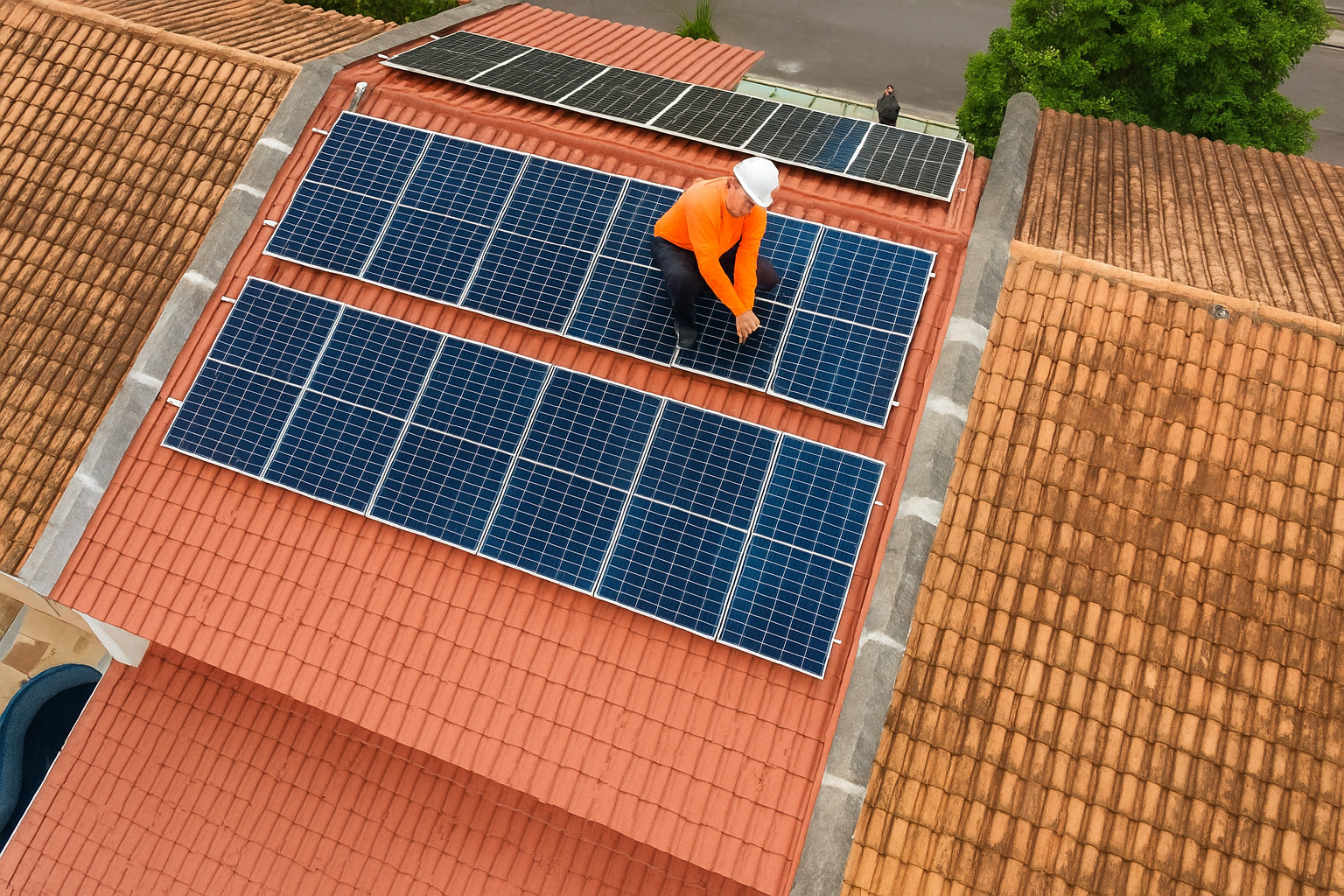

Rondônia Grows With Over 50 Thousand Solar Power Connections on Rooftops, Bringing Savings, Jobs, and Sustainability to All Municipalities in the State.
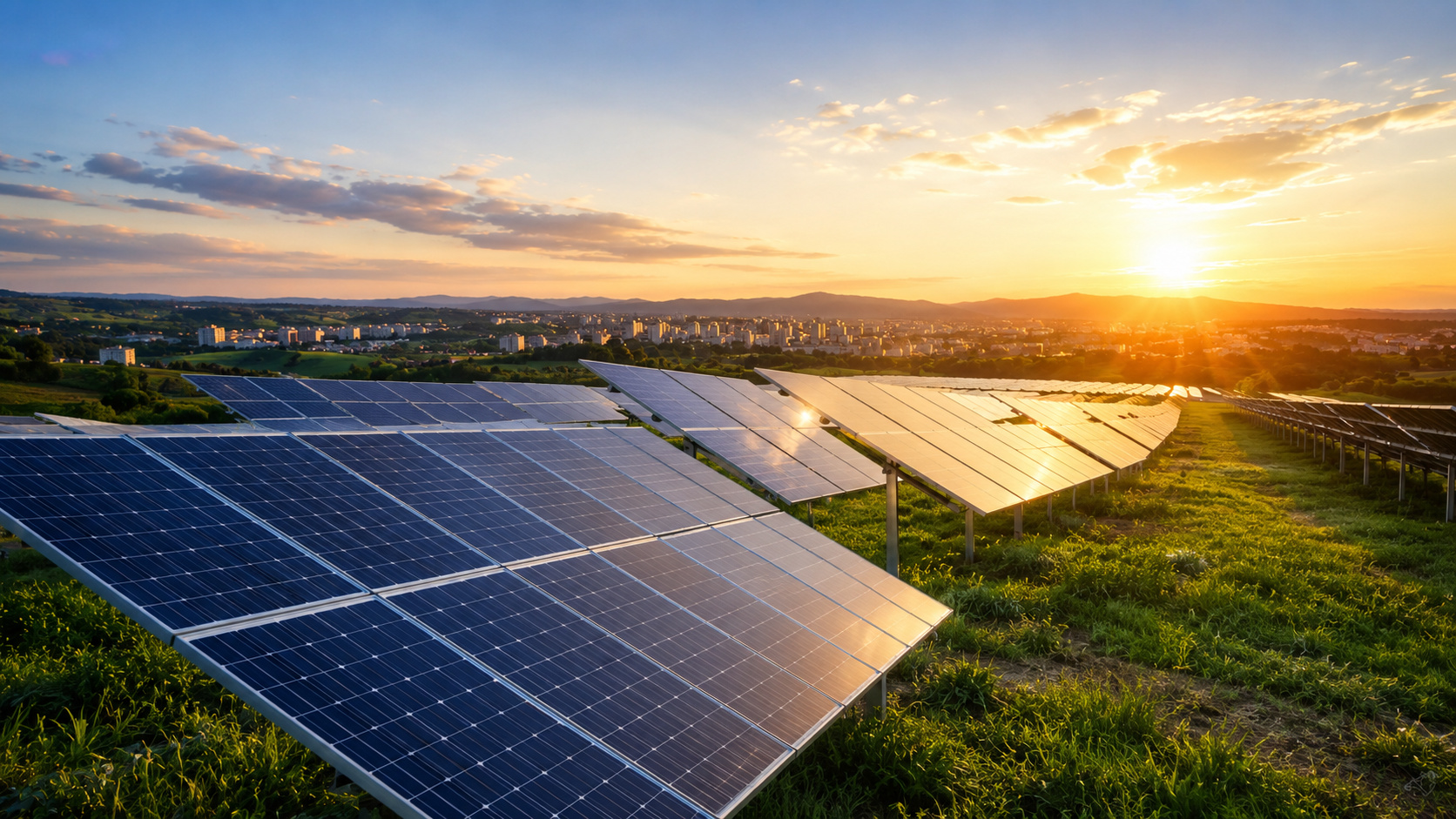
The state of Rondônia has been consistently standing out in the national scenario of clean energy generation. According to data from the Brazilian Solar Photovoltaic Energy Association (ABSOLAR), there are already more than 50 thousand solar power connections on rooftops and small plots spread across the 52 municipalities in the state, reaching 100% of the region.
Thus, this growth represents a true transformation in the way the population of Rondônia deals with electricity consumption, bringing more autonomy, cost reduction, and greater sustainability.
Currently, over 61 thousand electric energy consumers in Rondônia directly benefit from this technology. In addition to the immediate savings on electricity bills, they achieve greater predictability in budgeting and contribute to environmental sustainability, as they reduce greenhouse gas emissions.
-
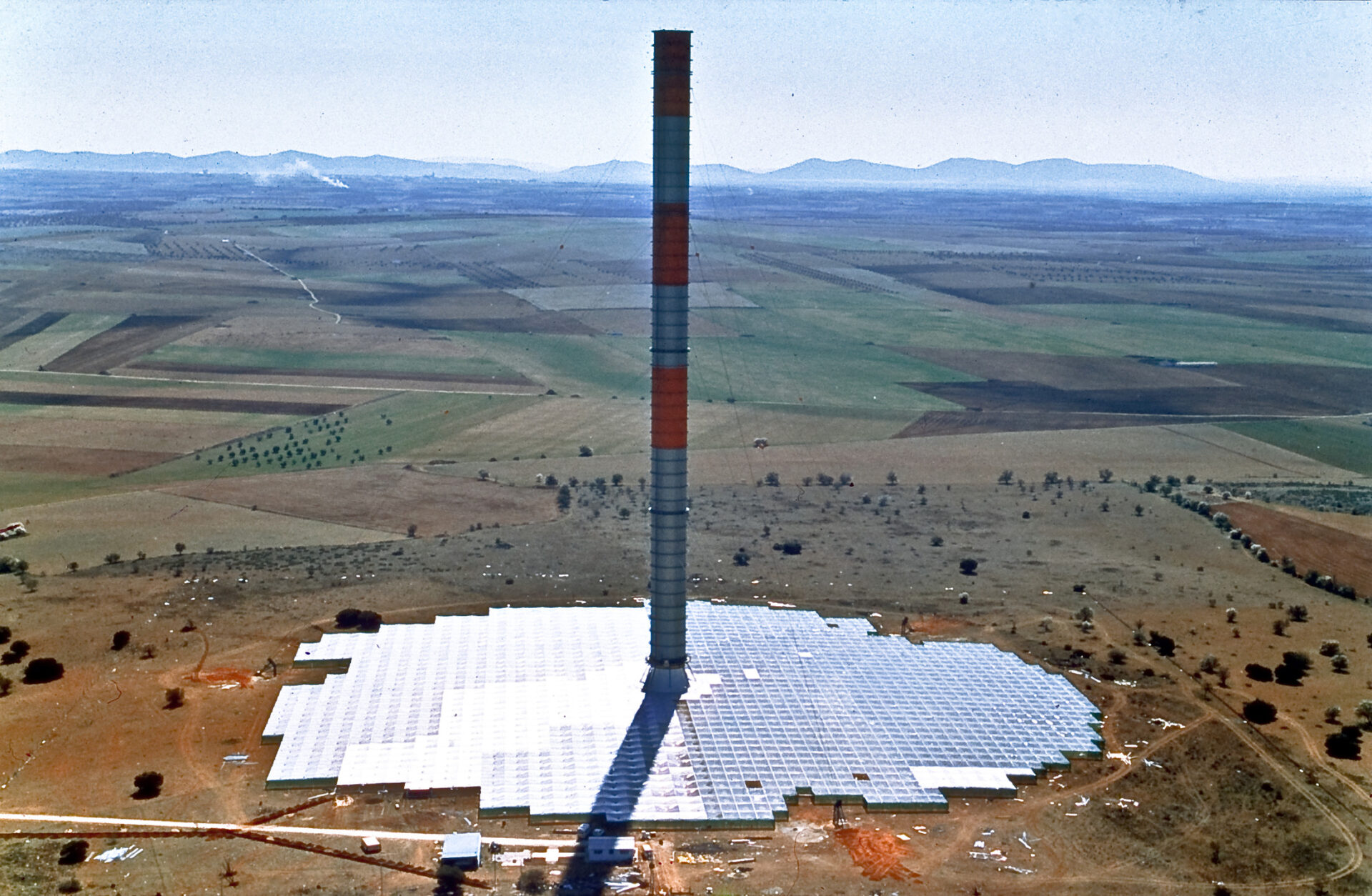
Solar Chimney in Spain Harnessed Sun to Generate Electricity for 7 Years Without Burning Fuel

-
Solar energy reaches 55 GW, becoming the second largest power source in Brazil’s energy mix

-
Solar energy can increase property value by up to 10% and become a selling point.
-
Solar and wind energy surpass natural gas for the first time in the world and accelerate energy revolution

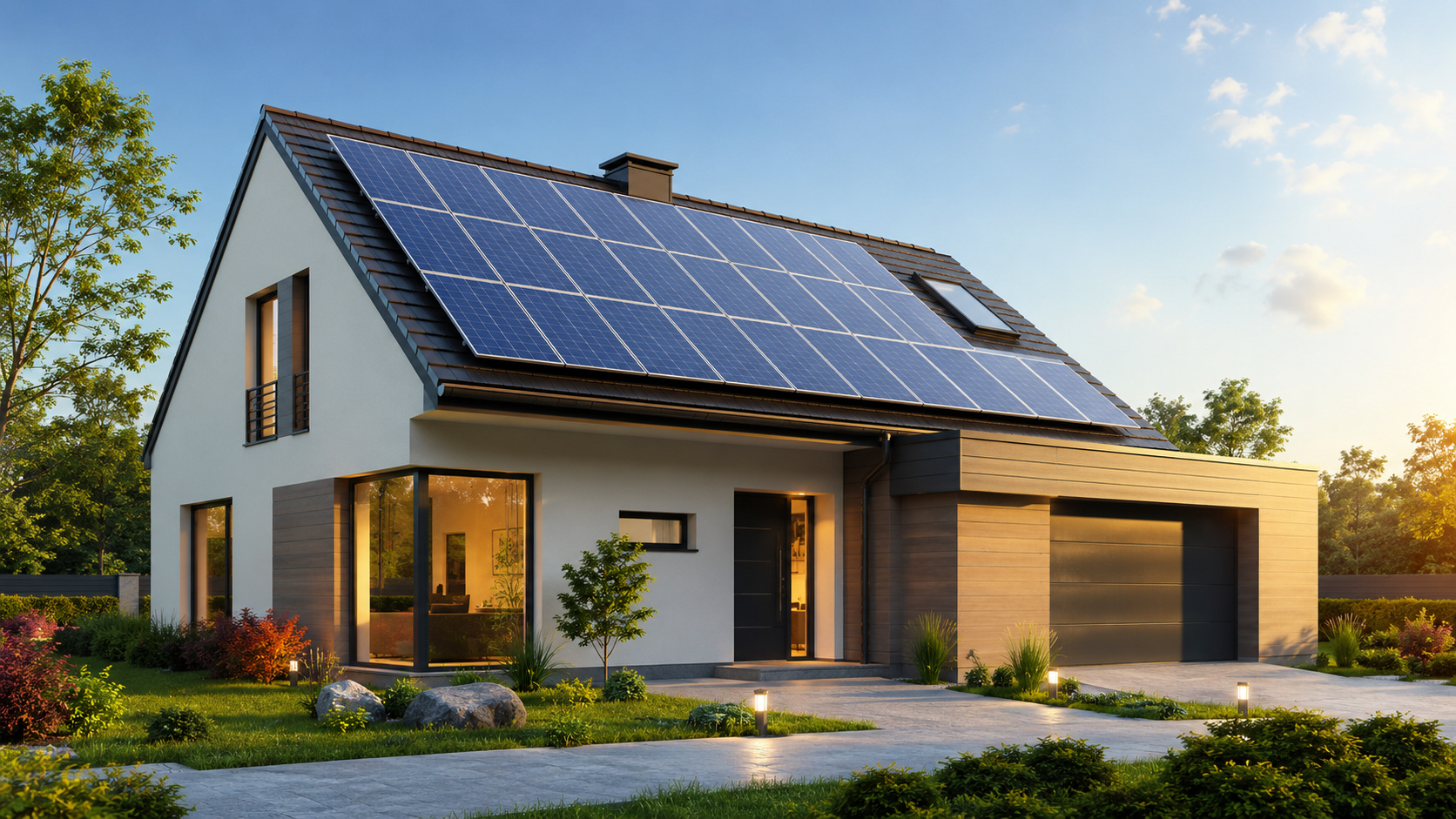

Therefore, the movement to expand solar energy on rooftops benefits not only those who install the systems, but also the entire society.
The Trajectory of Solar Energy in Brazil
To understand the relevance of this advancement in Rondônia, it is necessary to observe the historical context of solar energy in Brazil. Until 2012, distributed generation practically did not exist in the country.
However, the Regulatory Resolution No. 482 from Aneel opened the possibility for consumers to generate their own electricity and offset excess energy in the electrical grid.
This regulatory milestone inaugurated a new era. Initially, the first systems of solar energy on residential and commercial rooftops emerged timidly, as the equipment was expensive.
However, the gradual drop in the price of photovoltaic panels, combined with the increase in electricity tariffs, accelerated the expansion of the technology throughout the national territory.
In the specific case of Rondônia, the sunny weather for most of the year has always served as a strategic differential. Thus, the state gathered favorable natural conditions for solar generation, which explains the rapid growth of connections registered by ABSOLAR.
Currently, solar energy appears not only as an alternative but as a vital part of the local energy matrix.
Investments and Economic Benefits
The numbers clearly prove this impact. Since 2012, Rondônia has attracted over R$ 2.3 billion in investments related to solar energy.
As a result, companies allocated resources for acquiring equipment, installing systems, and opening specialized businesses in the sector.
The generation of jobs also deserves emphasis. More than 16.6 thousand jobs have been created in the state, many of them focused on the installation and maintenance of solar systems.
As a result, the local economy gained dynamism and new professional opportunities. Additionally, tax collection surpassed R$ 700 million, which reinforced public coffers and allowed new investments in infrastructure and essential services.
Another relevant point is the diversification of the local economy. The growth of solar energy on rooftops benefited not only installers and suppliers but also professionals in areas such as engineering, logistics, law, and education.
Thus, universities and technical schools in Rondônia already offer training courses to meet the growing demand of the sector.
Solar Energy on Rooftops as a Democratization of Access
One of the most important aspects of solar energy on rooftops is the democratization of access to clean and renewable electricity.
Unlike large power plants that require extensive areas of land, photovoltaic technology can be installed in homes, businesses, and small rural properties. Thus, communities distant from urban centers can also benefit from this.
In Rondônia, the expansion to all municipalities reflects exactly this process. Families that previously relied solely on the conventional power grid now have a sustainable alternative.
Furthermore, small rural producers can reduce irrigation and refrigeration costs, making their activities more competitive.
This energy autonomy strengthens the local economy, as the money that was previously directed to paying electricity bills remains circulating in the state’s commerce and services.
Meanwhile, consumers who invest in photovoltaic systems see the appreciation of their properties, as houses equipped with solar energy tend to be more attractive in the real estate market.
The Role of Legislation and Current Challenges
Although the growth is remarkable, there are still challenges related to regulation and the future of distributed generation in Brazil. The Law No. 14,300/2022, known as the Legal Framework for Distributed Generation, brought greater security for consumers and defined clear rules for the compensation of energy credits.
However, new proposals under discussion in the National Congress, such as the Provisional Measures Nos. 1300/2025 and 1304/2025, have reignited discussions about possible changes in the sector.
ABSOLAR warns that provisions allowing Aneel to impose fixed tariffs or compulsory modalities may create legal uncertainty.
Thus, consumers might face risks regarding the return on their investments, which discourages the installation of new solar systems.
Therefore, the entity advocates that any changes occur in a balanced manner, respecting consumers’ rights and encouraging the continued expansion of solar generation.
After all, nine out of ten Brazilians support the idea of generating their own renewable energy, according to recent studies.
Social and Environmental Impact
In addition to financial savings, solar energy on rooftops plays an essential role in reducing the carbon footprint.
Each installed system reduces dependence on fossil fuels and hydropower, contributing to the diversification of the Brazilian energy matrix.
In the global context of combating climate change, initiatives such as those in Rondônia place Brazil in a position of leadership.
Moreover, the decentralized production of energy strengthens the resilience of the electrical system and makes the country less vulnerable to energy crises.
From a social perspective, distributed generation creates opportunities for professional training.
Young people and workers find in solar energy a promising sector, with growing demand and long-term prospects.
Additionally, schools and hospitals in the state already utilize solar systems, generating savings for public institutions and improving the quality of services offered to the population.
Perspectives for the Future
The advancement of solar energy on rooftops shows no signs of slowing down.
With the constant increase in the efficiency of photovoltaic panels and the popularization of complementary technologies, such as storage batteries, the trend points to accelerated growth in the coming years.
In Rondônia, the goal is to continue expanding access to all profiles of consumers, from low-income families to large enterprises.
In this way, the democratization of the use of clean energy strengthens the energy transition and prepares the state to face the climatic and economic challenges of the future.
The national scenario also appears promising.
A study by the consultancy Volt Robotics, commissioned by ABSOLAR, estimated that the net savings for all Brazilians from distributed generation will reach R$ 84.9 billion by 2031.
This amount benefits even those without installed systems, as it reduces operational costs for distributors and avoids heavy investments in network expansion.
Another expected advancement is the integration between solar energy and electric mobility.
As electric cars are expected to gain ground in the Brazilian market, the possibility of charging them directly in homes powered by solar energy creates a new dynamic of consumption and sustainability.
Rondônia, with its proven potential, may serve as a reference in this innovation movement. With its over 50 thousand installed systems, it symbolizes the potential of technology to transform people’s lives, generate jobs, attract investments, and protect the environment.
More than a passing trend, self-generated energy is consolidating as a fundamental part of the Brazilian electrical matrix.