Portuguese
  Spanish


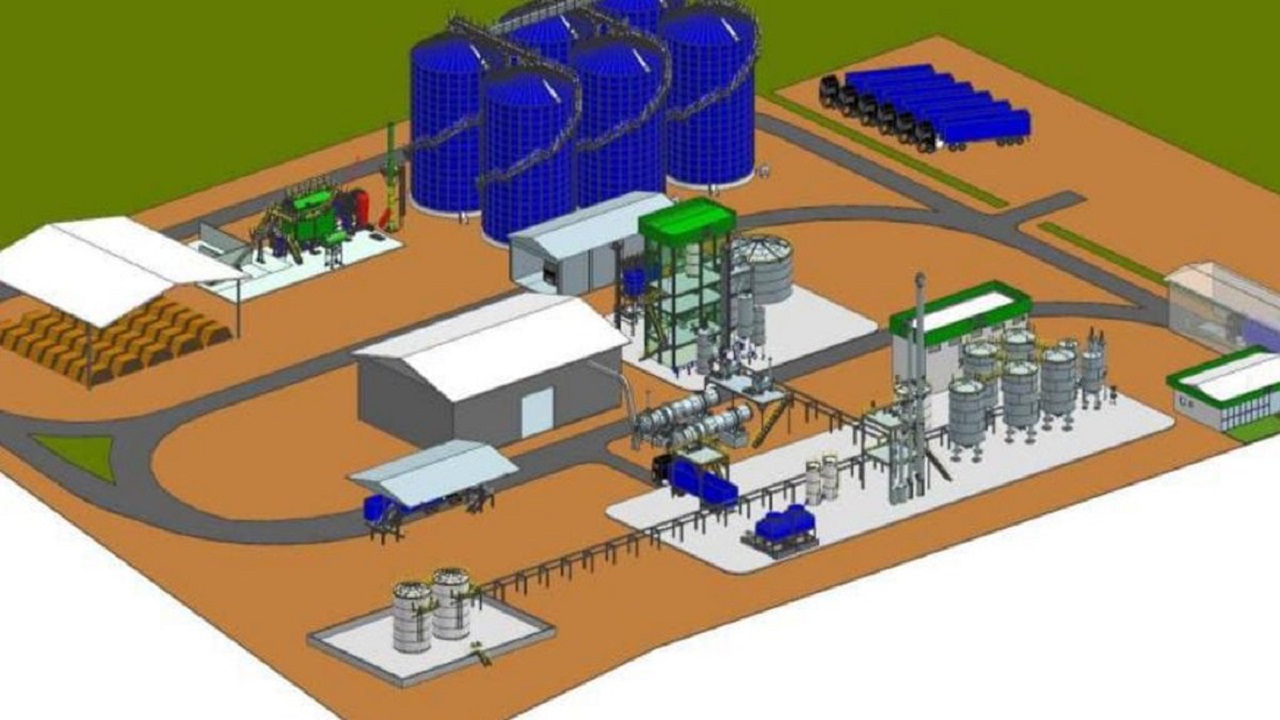

Seeking A Greater Participation In The Industrial And Agriculture Sector, RS Gained An Ethanol Plant That Will Produce 10 Million Liters Per Year And Generate More Than 80 Direct And Indirect Jobs
With 100% Brazilian technology, the ethanol plant operated by CB Bioenergia will have the capacity to produce 10 million liters per year, with the potential to expand up to 80 million liters. The news came from the mayor of Santiago (RS), Tiago Gorski Lacerda, who bets on the investment to boost Santiago’s economic development through job and income generation.
Read Other Related News
Ethanol Plant In RS Will Also Produce DDGS
According to the mayor, the ethanol plant will not only produce 10 million liters per year and generate several jobs, but will also produce 15,000 tons annually of DDGS, an animal feed used for pigs, horses, and cattle. Even in the construction phase, the ethanol plant in RS already has an expansion project planned for 80 million liters and 120,000 tons of DDGS.
-
Russia Follows China in Recognizing Brazil as Free from Foot-and-Mouth Disease Without Vaccination, Boosting Meat Exports and Agribusiness Potential

-
23-Year-Old Brazilian Turns Beekeeping into College Tuition, Harvesting Honey Twice a Year from 50 Hives

-
10-Year-Old Boy Persists After Being Told He’s Too Young, Now Helps Manage Brazilian Farm and Launches New Project
-
Brazil’s Federal Revenue Auction: iPhone 13 for $95, PlayStation 4 for $80, and Volkswagen Jetta for $2,600 Among 232 Lots Available




The production of DDGS and ethanol will be through the processing of starches, especially sourced from winter crops such as wheat and Triticale. To build the plant and set up the entire industry, CB Bioenergia and Ampla Performance Industrial established a commercial agreement to make the project viable and innovative in RS. Thus, this is the first starch-based ethanol plant in the state with 100% Gaucho production, manufacturing, and technology.
New Venture Promises To Generate Various Jobs
Throughout the entire construction process of the ethanol plant, more than 80 direct and indirect jobs will be generated. During operations, 50 direct jobs will be created, as well as several indirect opportunities in production, logistics, storage, and many others.
In light of the potential of winter crops, investments in this sector will bring significant economic development to RS, as they will create a considerable increase in labor, supplies, and machinery, generating income for farmers and taxes for municipalities.
The raw material used by the unit for ethanol production will come from grain traders and farmers in the Central West region of RS.
Plant Will Start Operations Next Year
According to the mayor, the entire process of project development, licensing, production, and equipment development began last month, and the start of operations for the ethanol plant is scheduled for October next year.
The venture will be developed in stages, with the first stage involving an investment of R$ 60 million, and in subsequent stages, investments could reach R$ 500 million. The plant will be implemented on private land totaling 15 hectares.
The municipality of RS will gain various benefits, such as the increase in ICMS return, job creation, strengthening winter crops, and the entire production chain. Highlighting the insertion of the municipality and the region of Vale do Jaguari as a strong territory in the development of industrialization and agribusiness.
Additionally, Santiago could boost animal protein production through the installation and expansion of feed factories and confinements, mainly for cattle, who will consume the DDGS produced by the CB Bioenergia ethanol plant.