Portuguese
  Spanish


Understand How Russia Is Circumventing Sanctions and Impacting the Global Oil Market
Russia continues to challenge the sanctions imposed by the United States and continues to export oil to India. This article details recent events, geopolitical impacts, and potential consequences of this movement for the global energy market.
Russia Challenges Restrictions and Continues Exporting Oil to India
Undoubtedly, Russia continues to export oil to India, even in the face of recent sanctions imposed by the United States. Therefore, this movement raises critical questions about the impacts on the global market and the geopolitics of energy. Furthermore, the scenario may change drastically depending on the upcoming diplomatic and economic actions.
Russian Oil Continues to Go to India Despite Sanctions
According to Bloomberg, on January 10, 2025, three Arctic oil shipments and at least two from the Island of Sakhalin departed on tankers sanctioned by the U.S. As a result, Arctic cargoes proceeded to South Asia, while Sakhalin shipments spent time on U.S.-listed ships in the Pacific before moving on to their final destination. In this way, this movement challenges Western restrictions and may generate unexpected reactions.
-
European Parliament Approves Digital Euro, Aiming to Challenge Visa and Mastercard’s Dominance and Transform Payments Across Europe by 2029

-
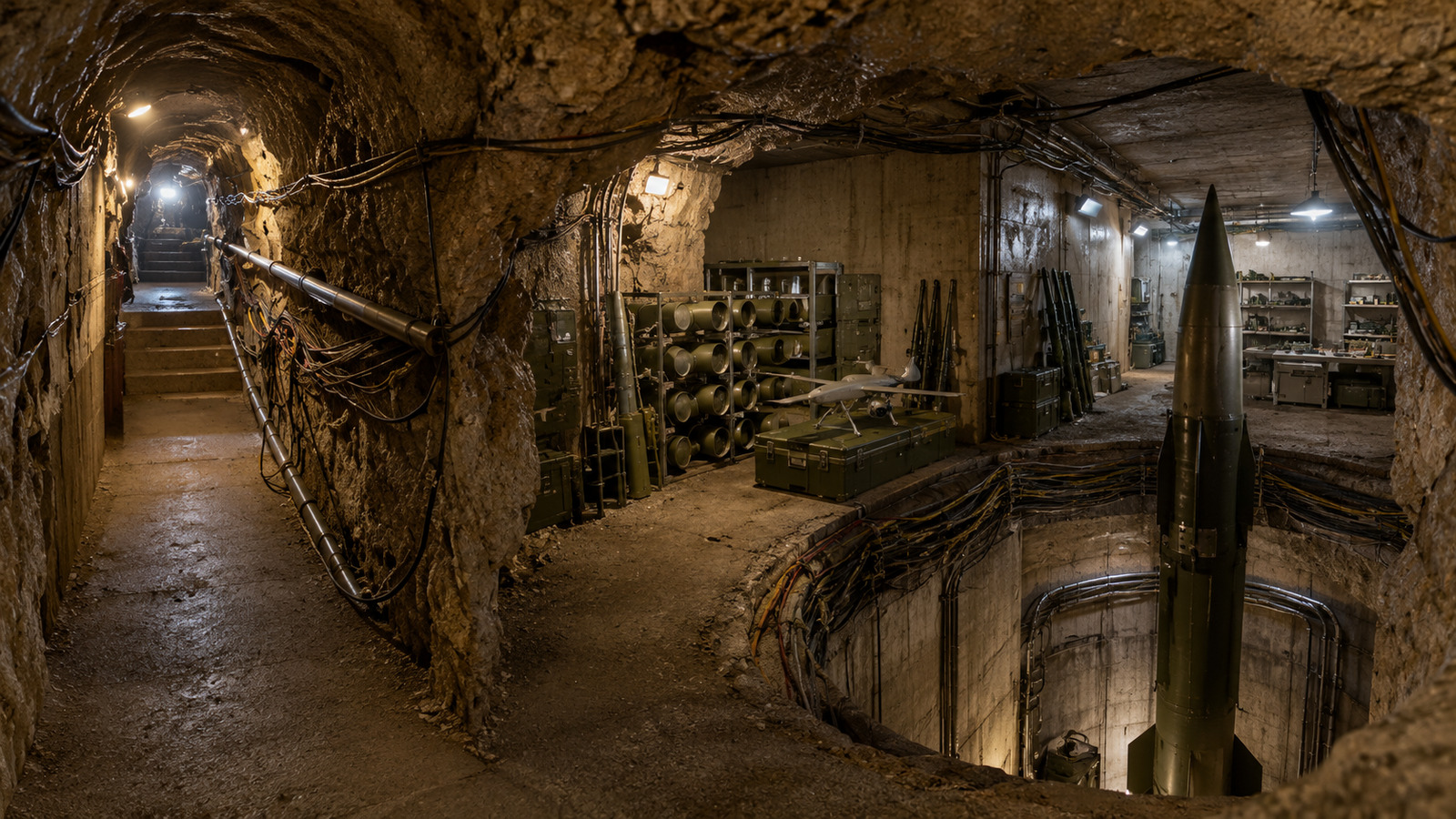
Israel finds Hezbollah militarized tunnel over 200 meters long under village, with 4 missile launch shafts, 12 chambers, anti-tank missiles, drones, and weapons depots at a depth of 25 meters.

-
Ukraine launches largest drone attack on Moscow since 2022, Russia claims to have intercepted nearly 200 aircraft near the capital, Kapotnya refinery targeted again, and offensive reignites alert about war reaching the Russian energy heart just a few kilometers from the Kremlin.

-
Truck drivers, freight, and fines from 2022 take center stage in politics: Chamber approves MP with amnesty, mandatory tracking by CIOT, million-dollar penalties, and new minimum wage for those who spend more than 24 hours on the road.



Consequently, India’s Ministry of Petroleum announced on January 15, 2025 that only tankers loaded before January 10 could dock at the country’s ports, provided they arrive by February 27. However, it is worth noting that all five shipments offloaded their cargo after this date, which adds a layer of uncertainty to the market. Additionally, this situation may further pressure Indian diplomacy and influence future trade negotiations.
The Risk of Shortage in the Global Oil Market
For this reason, Russia’s ability to maintain its oil production will be strongly impacted by its capacity to evade sanctions and continue exporting barrels. In other words, if Moscow fails in this strategy, the energy market may enter a deficit, affecting international prices. Moreover, this situation could trigger significant adjustments in various countries’ import policies and influence new strategic alliances.
According to the International Energy Agency (IEA), in the week ending January 26, 2025, daily Russian oil flows increased by 11%, reaching 3.07 million barrels, an increase of 320,000 barrels compared to the previous week. However, even with this one-time growth, the average for the first four weeks of 2025 remained 9% below the average for 2024, registering 290,000 barrels daily. In other words, despite a small recent increase, the overall trend still suggests a slight decline in Russian exports, which could impact global supply.
In light of this scenario, Russia’s capacity to maintain its export levels will be crucial to avoid a collapse in global supply. Thus, any new sanctions or political decisions could drastically alter the equation and modify forecasts for the energy sector.
Sanctioned Tankers Leave Murmansk Heading for India
At the same time, reports from Reuters indicate that on January 20, 2025, three sanctioned tankers set sail from the Arctic port of Murmansk heading for the Suez Canal. In this perspective, their arrival ports in India are expected in the second half of February. Thus, the Asian energy market remains attentive to developments and may respond unexpectedly.
Simultaneously, Gazprom Neft, a giant in the energy sector that was added to the U.S. sanctions list in December 2024, reportedly pumped cargoes to these sanctioned ships. Subsequently, these tankers transferred the cargo to a floating storage unit before continuing their journey. Therefore, this strategy reinforces Russian efforts to keep their exports active and circumvent the restrictions imposed by the U.S..
Additionally, according to Bloomberg, in early February 2025, shipments of Sokol crude oil from Russia, also transported by sanctioned vessels, were en route to India. It is notable that the tankers Pavel Chernysh and Viktor Konetsky initially declared their destination as Sikka, India, but changed their route. Furthermore, the Viktor Konetsky later transferred its cargo to another ship at the port of Nakhodka, which has yet to signal a defined destination. This change may signify an attempt to obscure the origin of the oil and complicate tracking by Western authorities.
Why Did the U.S. Impose These Sanctions?
Finally, the U.S. Treasury Department announced on January 5, 2025, a new package of sanctions against Russia’s energy sector, as part of a strategy to reduce the country’s energy export revenues and weaken its ability to finance conflicts. Thus, this is a direct response to Russian actions in Ukraine and to other geopolitical challenges. Furthermore, Washington seeks to strengthen its influence over strategic allies in Asia and Europe, ensuring greater control over global energy flows.
What to Expect in the Coming Months?
In this way, the duration and effects of these sanctions are uncertain, but some trends can be observed:
- Will India continue importing Russian oil? The Indian government has adopted a pragmatic approach, prioritizing energy security. However, if risks increase, there may be changes.
- Will there be an impact on global oil prices? If Russian exports are significantly reduced, oil barrel prices may soar.
- How will Russia continue to circumvent sanctions? Moscow has been utilizing different strategies, such as transportation by non-sanctioned companies and transshipment in international waters.
In summary, the movement of sanctioned Russian tankers to India represents a major challenge for the U.S. and for the global energy market. As a result, Russia demonstrates resilience in evading restrictions, but uncertainty remains. Thus, if the country loses its ability to offload its production, oil prices may undergo drastic fluctuations. Therefore, the outcome will depend on the interaction between sanctions, global demand, and geopolitical reactions. Additionally, it is crucial to closely monitor upcoming diplomatic and commercial movements, as they may redefine the balance of the global energy sector and generate new challenges for the main players in this market.