Portuguese
  Spanish




Understand How Subscription Cars Are Growing in Brazil and Why Many Consumers Prefer to Pay a Monthly Fee Instead of Financing a Vehicle
A significant transformation is happening in the Brazilian automotive market. The idea of owning a car as an asset and investment is giving way to a new consumption model focused on practicality. Known as subscription cars, it replaces the owner with a subscriber, who pays a monthly fee to have a new car in the garage, without worrying about the costs and bureaucracy of ownership.
Automakers like Fiat, Volkswagen, and Renault have already embraced this trend with their own services. The promise is simple: have a new car without the “headaches” of paying taxes, insurance, maintenance, or worrying about depreciation. This model has been growing exponentially and, by 2025, it is already a consolidated reality.
The Exponential Growth of the Brazilian Subscription Car Market in 2025
The numbers confirm the rise of subscription cars. According to ABLA (Brazilian Association of Car Rental Companies), the sector is expected to close 2024 with 200,000 active contracts, a 25% increase compared to 2023. In just four years, the growth was 150%, jumping from 80,000 contracts in 2020.
-
College Dropout Turned Window Cleaner Builds $1 Million Cleaning Business with Subscription Model After 18 Years of Door-to-Door Work

-
North Korean Soldier Risks Crossing One of the World’s Most Dangerous Borders, Detained in South Korea

-
Stingless Bee Honey from Brazil Can Cost Up to $120 a Liter, Surprises with Flavors of Wood, Citrus, and Even Cheese
-
Woman Claims to Have Spotted a Technical Pattern in Recent FIFA Tournaments, Predicts Possible World Cup Winner


Even with a challenging economic scenario, characterized by high-interest rates, the sector’s projection for 2025 remains growth. Subscription cars already represent about 10% of the entire vehicle fleet in Brazil, a clear sign that the model has moved from being a niche to becoming a force in the market.
How the Plans of Fiat Flua!, VW Sign&Drive, and Renault on Demand Work
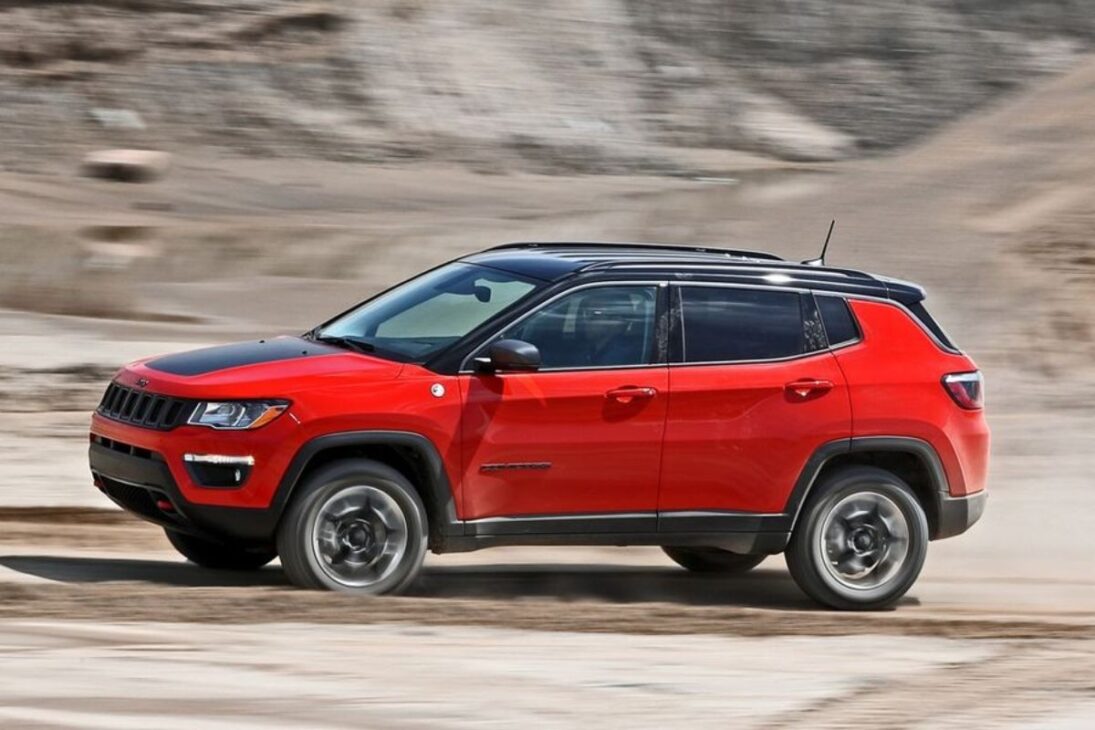
The major automakers have fully entered the subscription market. Stellantis’s service, called Flua!, offers models from Fiat and Jeep. A Jeep Commander, for example, can be subscribed to in plans starting from R$ 5,399.00 per month, with mileage packages ranging from 500 to 3,000 km per month.
Volkswagen offers VW Sign&Drive, with nearly its entire line of vehicles, from the Polo to the electric ID.Buzz. A Nivus Comfortline, for example, costs R$ 2,799.00 per month in a 48-month contract. Meanwhile, Renault on Demand stands out for including several electric models, such as the Kwid E-Tech and Megane E-Tech, with plans starting at R$ 1,999.00 monthly for the Kwid Zen.
The Advantages of Subscribing, Without IPVA, Insurance, or Worrying About Depreciation
The main attraction of subscription cars is convenience. The fixed monthly fee usually includes all the costs that an owner would incur: IPVA, licensing, registration, insurance, and all preventive maintenance. This eliminates surprises in the budget.
Another significant advantage is not worrying about depreciation, an “invisible” cost that can reach 6% per year. The subscriber simply uses the car and returns it at the end of the contract, without the hassle of having to resell it. Additionally, the initial cost is much lower, as there is no need to make a large down payment.
The Disadvantages and Hidden Costs of Subscription Cars, What the Automakers Don’t Tell You?
Despite the advantages, the subscription model has its downsides. In the long run, if the need for a car is permanent, subscribing may end up being more expensive than buying. At the end of the contract, the client has no asset, just the cost of the monthly fee. Moreover, there are mileage limits that can be an issue for those who drive a lot.
A lack of clarity in some contracts is also a concern. In online discussions, users of VW Sign&Drive, for example, report uncertainties about how vehicle damages are billed in case of an accident or what the policy is for tire replacement, which contradicts the promise of “zero worries.”
To Subscribe, Buy, or Finance? The Change in the Mindset of Brazilian Consumers
The rise of subscription cars reflects a cultural shift. Cars are gradually being seen less as investments and more as mobility services. Economic factors accelerate this trend. With financing interest rates reaching 25.98% per year in 2023, buying in installments has become unfeasible for many.
For a growing number of Brazilians, subscription has become the only way to access a new car. Priority has shifted from ownership to convenience, and modern consumers prefer not to tie up their capital in an asset that depreciates, opting for the flexibility of having a new car always, without the complications of ownership.