Portuguese
  Spanish


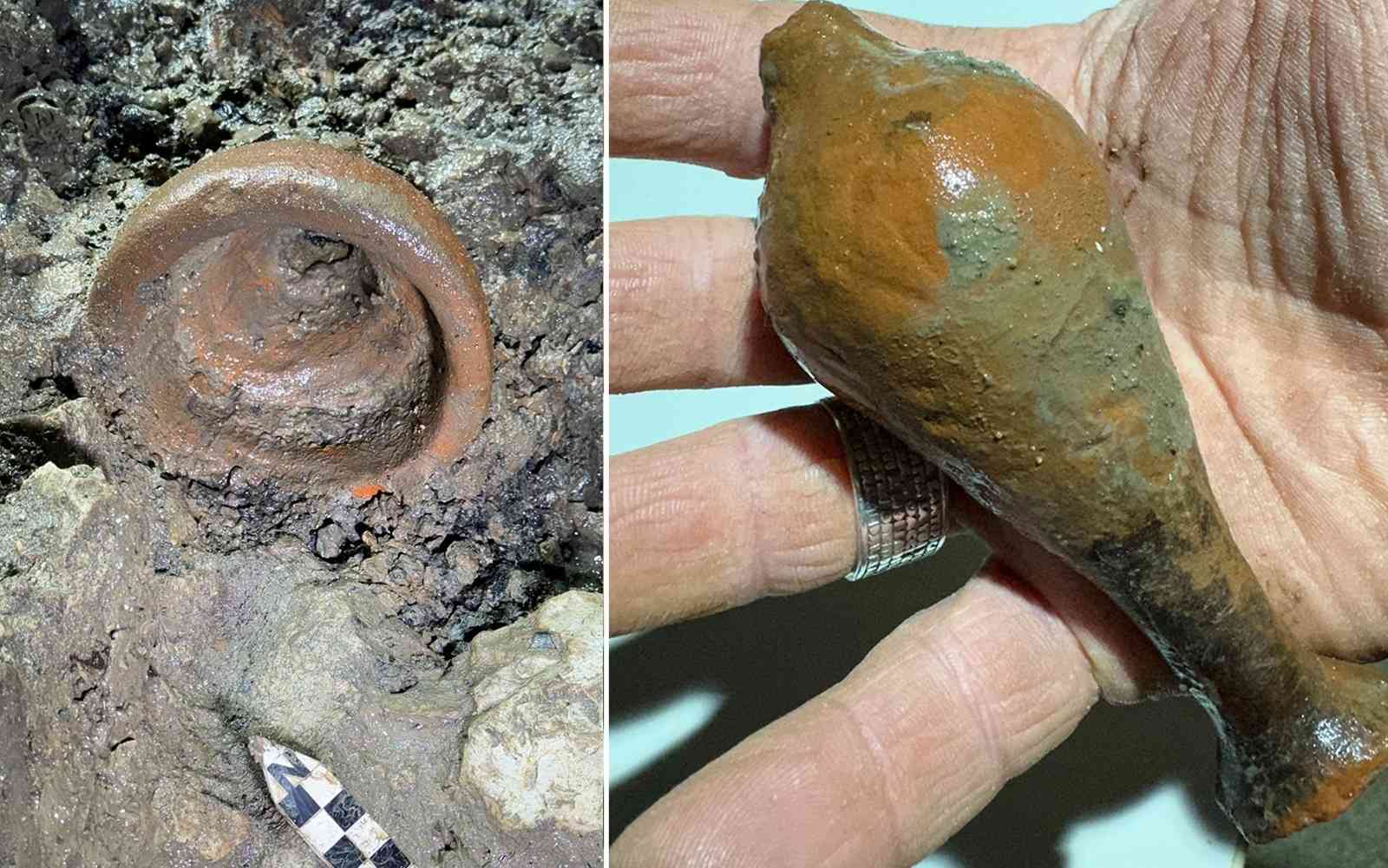


Discoveries in the Angelo Caves, in Pertosa-Auletta, Reveal a Greek Sanctuary with Terracotta Offerings and a Rare Stilt House from the Bronze Age.
Archaeologists have revealed new discoveries in the Angelo Caves, in Pertosa-Auletta, one of the oldest and most important cave systems in Italy. The site, located in the province of Salerno, houses evidence of human occupation dating back over 8,000 years and was recognized in 2025 by ACTA Gist as the best archaeological site in the country.
With approximately two and a half kilometers in length, the karst system holds Italy’s only navigable underground river, a setting for discoveries that unite faith, everyday life, and millennia-old history.
A Greek Sanctuary Discovered
During the most recent excavation season, researchers identified a Greek religious sanctuary dating from the 4th to the 1st centuries BC.
-
Vietnamese Inventor Overcomes Debt and Develops Agricultural Robot Sold in 15 Countries

-
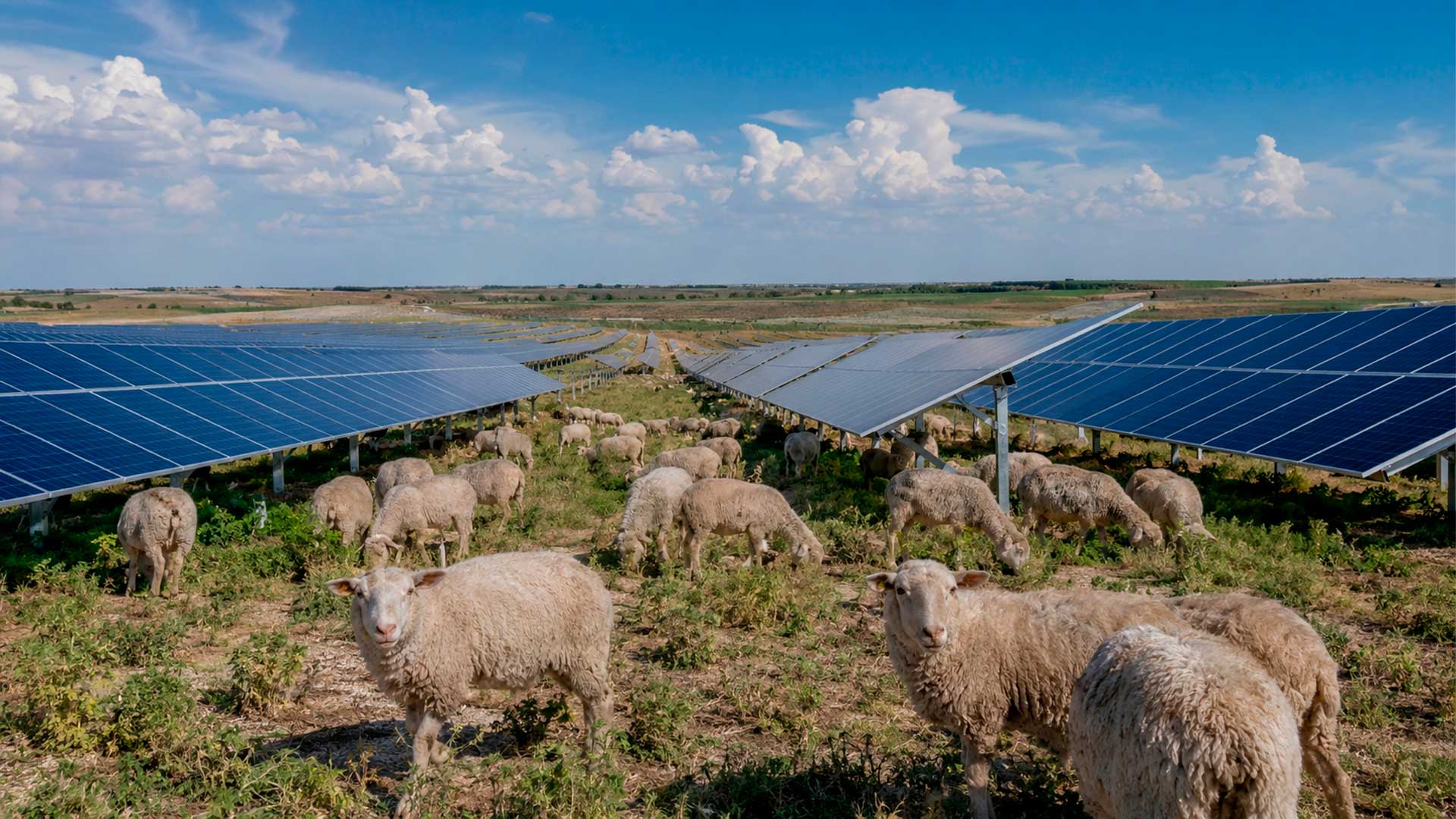
3,000 Sheep Maintain 900 MW Solar Farm Transforming Texas Fields into Energy for Data Centers

-
Distant Galaxy Shaped Like a Giant Jellyfish Sheds Gas, Forming New Stars as It Moves Through Hot Cosmic Gas

-
Nearly 40% of Treated Water in Brazil is Lost Before Reaching Homes; Companies Use Satellites, AI, Helium, and Innovative Tech to Improve Access in Remote Areas



The announcement was made on Facebook and detailed by specialized portals such as Archaeology News and Greek Reporter. The evidence reveals that the caves served not only as shelter but also as a sacred space for Hellenistic worship.
Among the artifacts recovered, archaeologists found sculpted figurines, terracotta ornaments, coins, incense burners, containers for unguents, and remnants of burned plants. These objects reinforce the interpretation that the site was dedicated to deities associated with water and fertility.
A large piece of amber and a female terracotta head, both used in religious ceremonies, caught the attention of scholars.
According to Greek Reporter, the underground river had a symbolic role for the Greeks, serving as a central element in devotion rituals.
The similarities between the Pertosa-Auletta sanctuary and other temples found in Magna Graecia confirm the cultural continuity of these practices.
Unique House from the Bronze Age
In addition to the sanctuary, the excavations revealed an even older structure from the Bronze Age. LBV described the discovery as unique in all of Euhttps://interestingengineering.com/culture/greek-sanctuary-unique-bronze-age-artifactsropa: an elevated dwelling built on stilts inside the cave, dating from the second millennium BC.
This underground construction demonstrates the ingenious use of the cave systems as an essential resource for survival.
Archaeologists discovered a new extension of the platform, more complex than anticipated, and a chisel with a wooden handle preserved by the constant moisture of the environment.
This tool, rarely found in such intact conditions, offers a direct glimpse into the routine and technical skills of the ancient inhabitants of the site.
The teams collected wood samples from the structure, which will be analyzed in the laboratory to determine the construction techniques and environmental conditions that allowed its preservation for millennia.
As highlighted by Greek Reporter, the set of findings reaffirms the role of the Angelo Caves as a link between different periods of human history.
The recent discoveries in Pertosa-Auletta reinforce the unique character of the site, where faith, engineering, and nature merge in a single underground space.
Between Greek offerings and prehistoric houses, the site continues to reveal how ancient civilizations explored and venerated their surroundings, transforming the cave into a true sanctuary of human history.