Portuguese
  Spanish


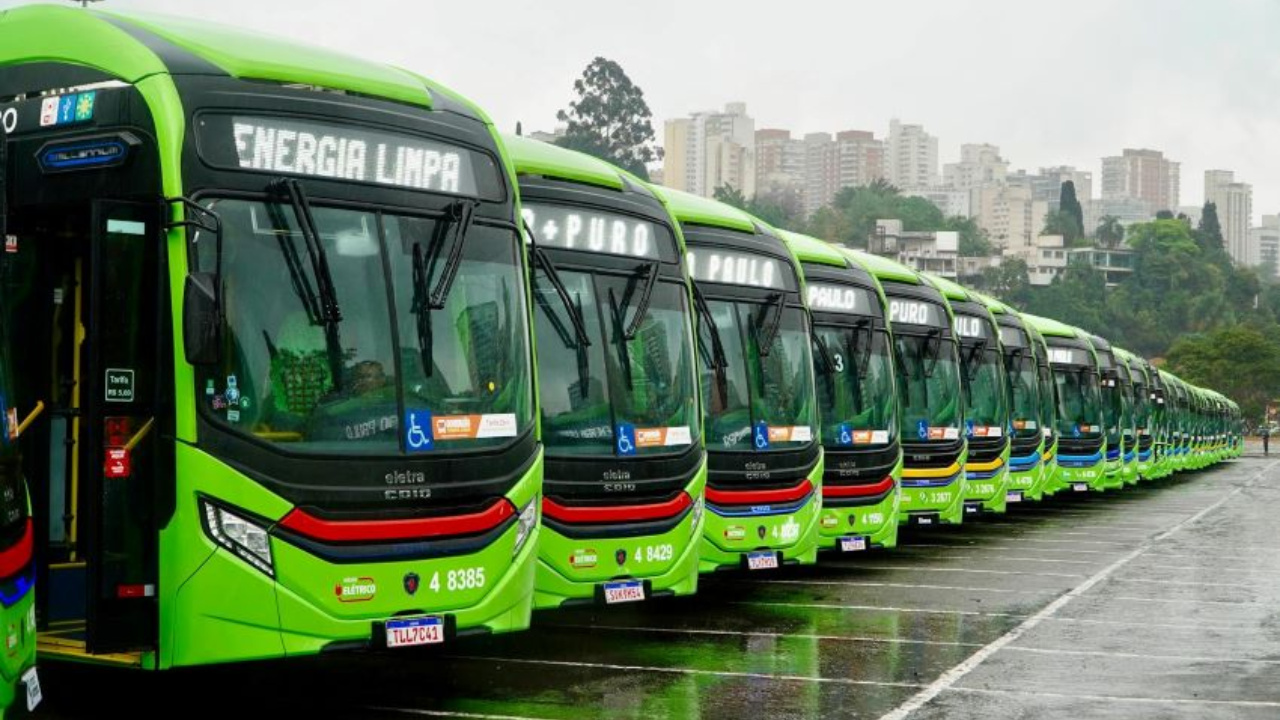

São Paulo Reaches Nearly One Thousand Electric Buses in Operation and Reinforces Leadership in Sustainable Public Transport. City Hall Bets on Technology, Comfort and Pollution Reduction to Transform Urban Mobility.
The city of São Paulo steadfastly continues its goal of renewing the public transport fleet with sustainable vehicles. This Monday (22), on the World Car-Free Day, Mayor Ricardo Nunes announced the delivery of 120 new electric buses, increasing the non-polluting fleet to 961 vehicles in operation.
Technology Ensures Infrastructure for Electric Expansion
Even before the delivery of the new buses, the City Hall had already taken an important step on the 18th. The installation process of the BESS energy storage systems in bus garages was initiated, with a projected operation within 90 days. This innovation, which incurs no costs for municipal coffers, will be implemented by Huawei in partnership with Matrix Energy Group.
The technology will allow vehicles to be charged with greater independence from the power distributor, strengthening the electrical infrastructure and preparing the city for the expansion of electric mobility.
-
Unprecedented achievement in India: a colossal 650-ton, nearly 3,000 hp excavator is transformed into 100% electric, marking a new phase in heavy mining.

-
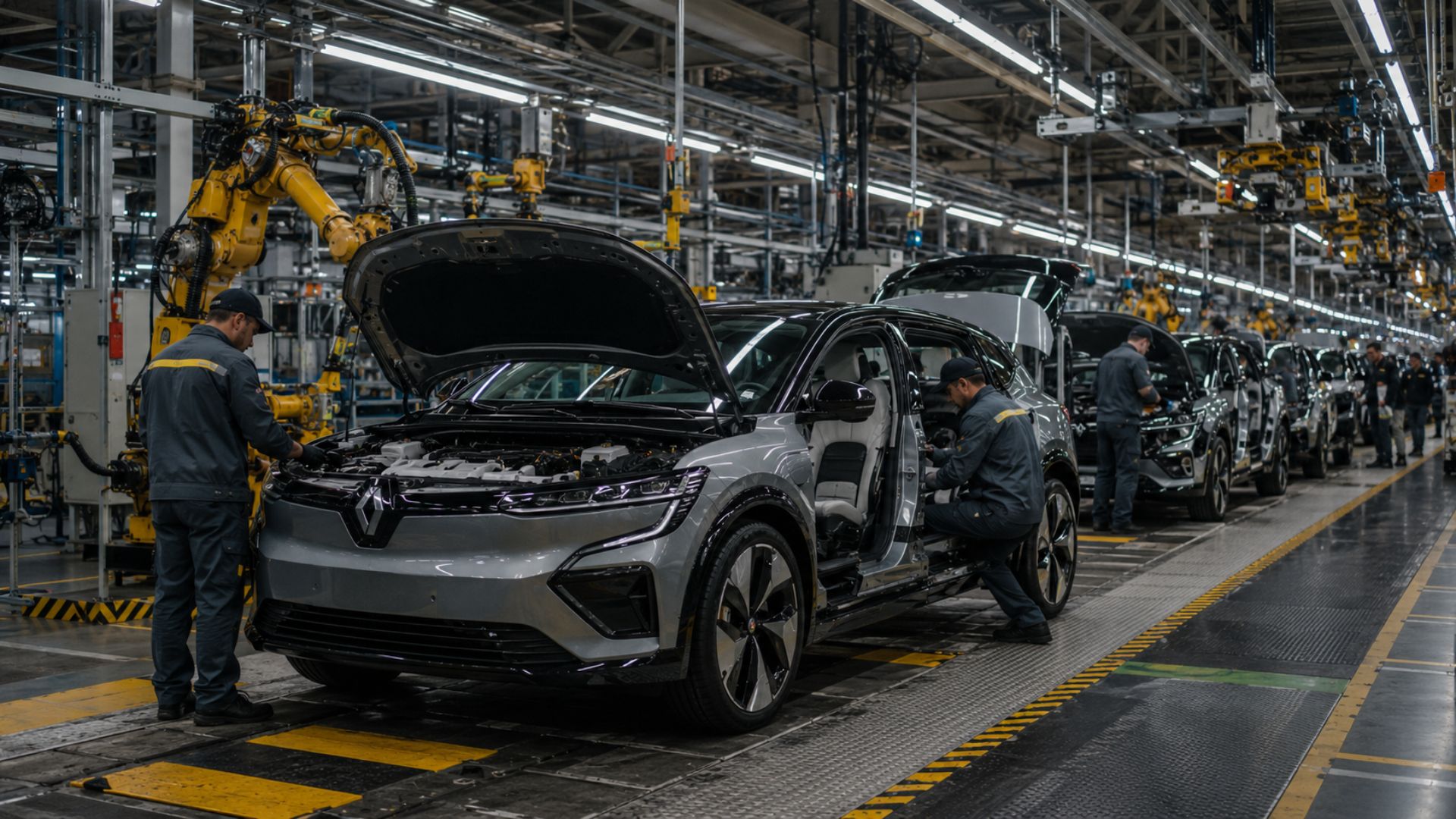
Frightened by the speed of Chinese manufacturers, Renault decided to mimic the pace, made the new electric Twingo in just 21 months, wants to repeat the feat with 36 models by 2030, and along the way, will cut up to 2,400 engineering positions.

-
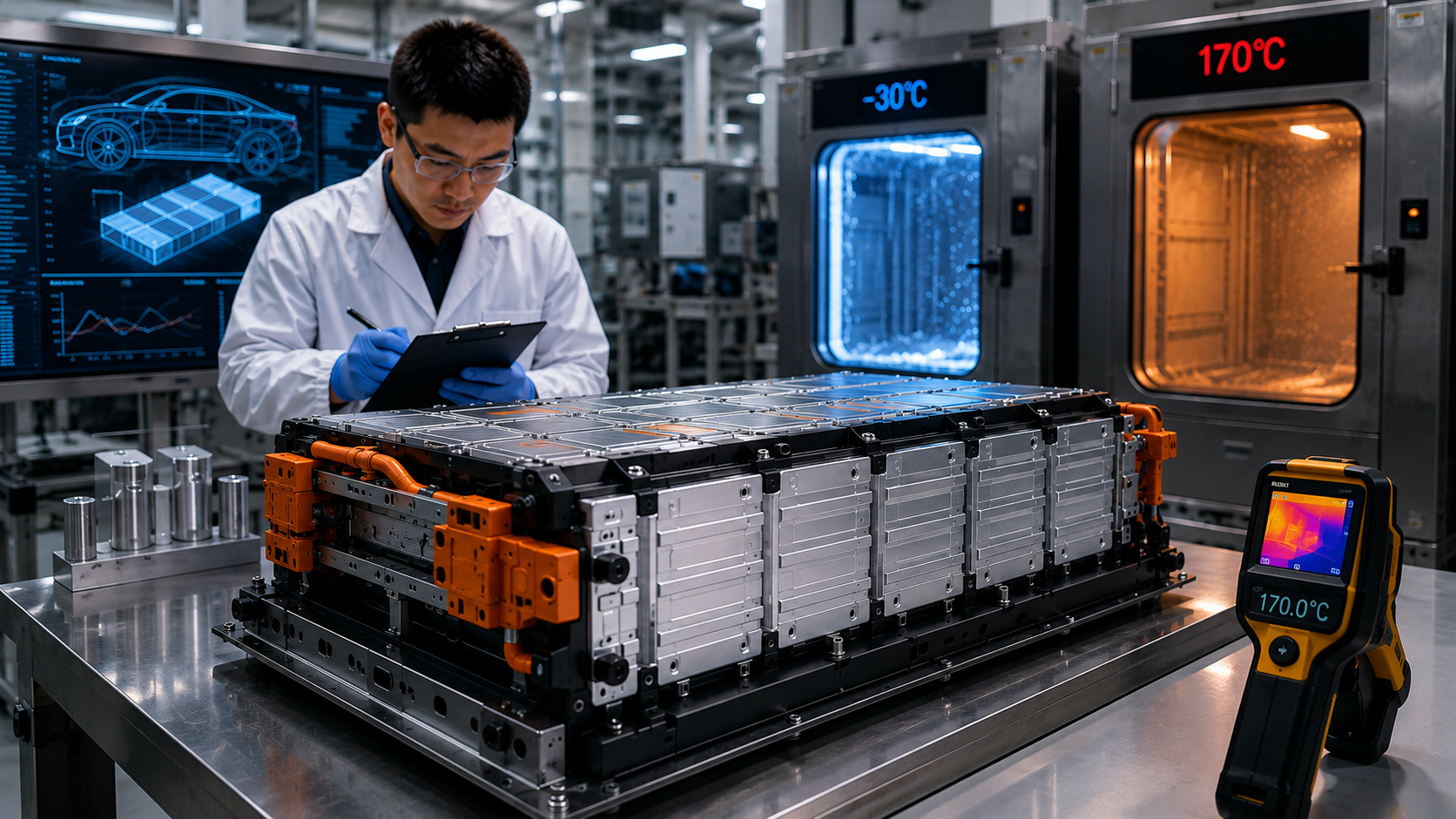
Chinese battery from Dongfeng promises to exceed 1,000 km without relying on liquid electrolyte, and the detail behind the technology could change the electric car competition.

-
The end of the automotive combustion era has already begun, but many in Brazil have not yet realized the magnitude of the shift towards Chinese electric cars.
The progressive replacement of diesel buses has been yielding significant results. Each electric bus is capable of avoiding the emission of 87 tons of CO₂ per year, a figure equivalent to the planting of approximately 6,400 trees. Moreover, the reduction in diesel use directly contributes to lower air pollution and improved public health.
Ricardo Nunes emphasized that the capital has already become a national reference in environmental policies, highlighting that electric vehicles offer not only environmental gains but also social benefits.
More Comfort and Quality for Passengers and Drivers
The new electric buses in São Paulo come equipped with air conditioning, Wi-Fi, and USB ports, ensuring more convenience for passengers. Being quiet, they reduce noise pollution and make the journey more enjoyable.
The positive impact is also felt by professionals who work daily in public transport. Driver Simone de Lima, with 18 years of experience, stated that driving an electric bus causes less physical strain and provides more energy at the end of the workday.