Portuguese
  Spanish


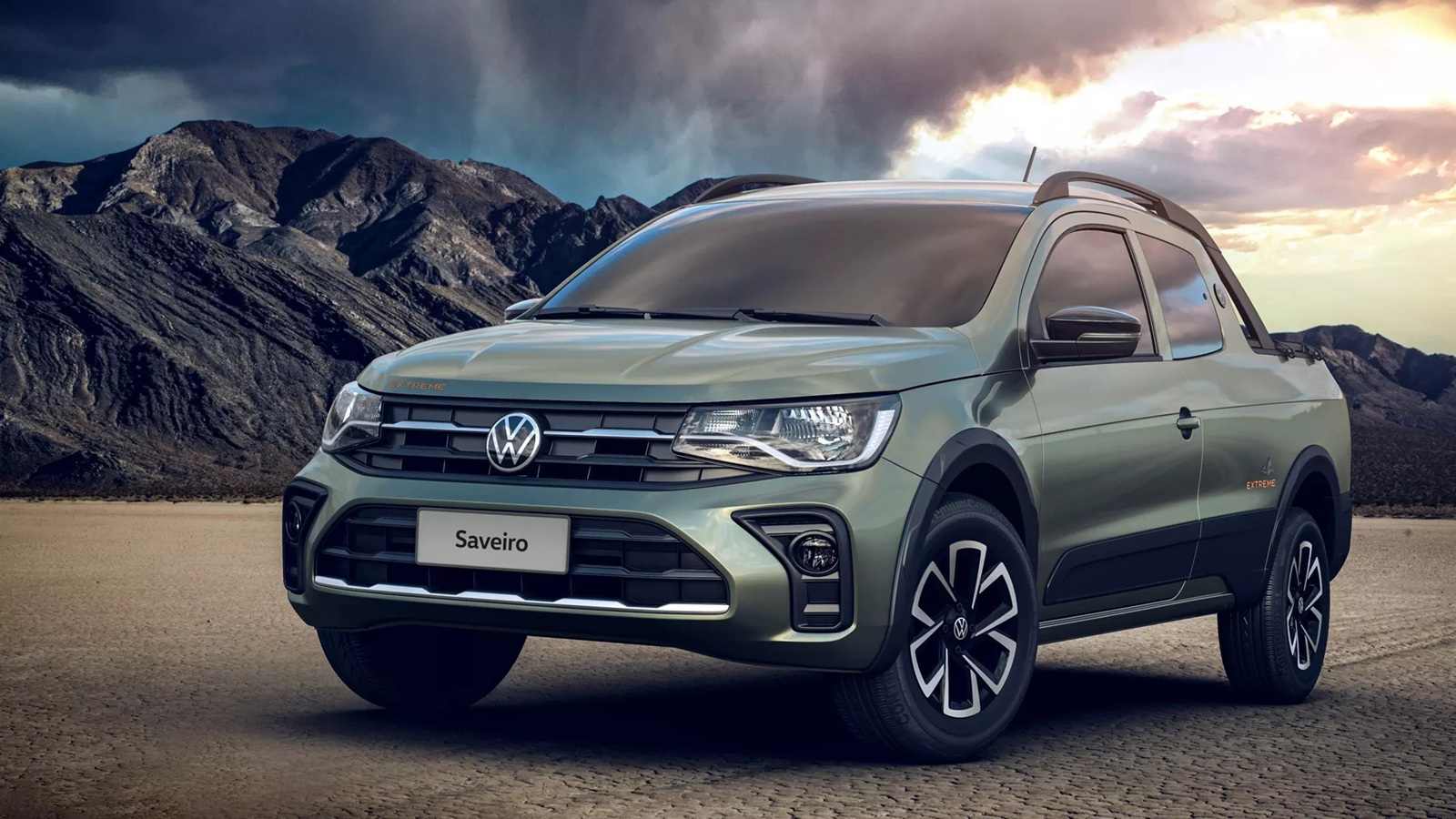

Volkswagen Saveiro Rises in Ranking After Growing 52.2% in September, While Strada Regains Leadership and Tera Debuts Among Best-Selling SUVs
The Brazilian automotive industry closed September 2025 on a high note, with 230,539 new cars registered. The result represents a growth of 4.1% compared to the same period last year and an increase of 7.8% over August.
For the year to date, sales have reached 1,806,568 units, ensuring a 3.2% increase in the market. In this scenario, the big surprise was the performance of the Volkswagen Saveiro.
Saveiro Grows 52.2% and Takes Center Stage
The compact pickup recorded an impressive increase of 52.2% in sales and reached fifth place in the national ranking.
-
End of an era in Brazil: beloved sedan by Brazilians is discontinued despite having a 2.0 engine with 151 hp, CVT transmission, 466-liter trunk, and up to 650 km of range.

-
New Law Proposal in Brazil Could Heavily Penalize Drivers: Dangerous Overtaking May Become a Serious Offense with Fines Increased Tenfold and a 12-Month License Suspension; Update on 2026 Progress

-
Electric Revolution: Watts W125 Motorcycle Offers 160 km Range, 90 km/h Speed, and Affordable Price Starting at $3,000
-
General Motors Replaces Over a Thousand Workers with 50 Cobots at Electric Vehicle Plant, UAW Union Criticizes Move Amid Industry’s Automation Push



Saveiro jumped from 5,358 registrations in August to 8,154 units in September, result that placed it just behind traditional podium models.
The overall leadership went to Fiat Strada, which reclaimed first place by selling 13,876 units, surpassing the Volkswagen Polo, in second place with 10,647 registrations.
The third spot was occupied by Fiat Argo, which totaled 9,484 sales, followed by Hyundai HB20, with 8,796.
Tera Debuts Strongly While T-Cross Plummets
Another significant highlight of the month was the arrival of the Volkswagen Tera, the brand’s entry-level SUV that quickly gained traction.
The model rose from the 19th position in August to sixth place in September, with 7,610 registrations, becoming the best-selling SUV in the country.
In contrast, the T-Cross experienced a sharp decline of 38.5% and fell to 19th place, with 4,736 units. This movement illustrates how the arrival of a new model can directly impact nearby competitors in the same category.
Toyota Maintains Stability Even with Factories Halted
Despite the shutdown of its factories in Brazil following a storm that hit the engine unit in Porto Feliz (SP), Toyota maintained sales stability. The Corolla Cross recorded 7,282 units and remains the best-selling medium SUV.
In the rest of the top 10, Chevrolet Onix (7,039), Nissan Kicks (6,319), and Hyundai Creta (5,953) appeared.
Sedans, Electric, and Hybrid Vehicles Also Show Leadership
In specific segments, the Chevrolet Onix Plus led among sedans with 5,169 registrations. Among electric vehicles, the standout was once again the BYD Dolphin Mini, which closed the month with 3,392 units, surpassing models like Corolla, Ranger, and Virtus.
In the hybrid category, the top performer remained the GWM Haval H6, with 2,937 sales. These numbers confirm the diversity of highlights in September.
Market on the Rise and New Protagonists
The data from consulting firm K.Lume reinforces a lively September, marked by market growth and the rise of models that surprised. The Saveiro, in particular, showed that it still has the strength to compete for prominence, consolidating its relevance in the small pickup segment.