






 Portuguese
  Spanish


Discovery at San Pedro High School exposes millions of marine fossils and shows how an urban project can reveal Los Angeles’ past
The school’s renovation found much more than old concrete: it found a fossilized seabed. During the modernization of San Pedro High School in Los Angeles, workers encountered millions of fossils beneath the school’s grounds.
The information was published by Popular Mechanics, a magazine about science, technology, engineering, and innovation. The material revealed between 2022 and 2024 includes fish, birds, sea turtles, and other remnants of a 9-million-year-old marine ecosystem.
What seemed like an ordinary project took on another dimension. The campus came to hold one of California’s most striking fossil discoveries, with more than 200 species and a volume of fragments that may still require years of study.
-
Crab Trapped in Plastic Bottle for 62 Days Near Okinawa Highlights Little-Known Impact of Marine Pollution on Small Animals

-
Esperanza’s Bamboo Barrier in Oaxaca Redirects River and Reduces Erosion by 85% in Five Years

-
Family Builds Homemade Wind Turbine to Power Off-Grid Home, Video Reaches 555,000 Views on Ngô Thị Huyền’s Channel
-
Indian Brand Creates Sneakers from Recycled PET Bottles and Discarded Tires, Repurposing Over 1 Million Bottles and Raising $4 Million for Expansion



How a school became a paleontological site in the middle of Los Angeles
The modernization of San Pedro High School began in 2022. Early in the excavation, fossils appeared in the soil. From then on, each removal of earth ceased to be just a construction phase and became part of a scientific investigation.
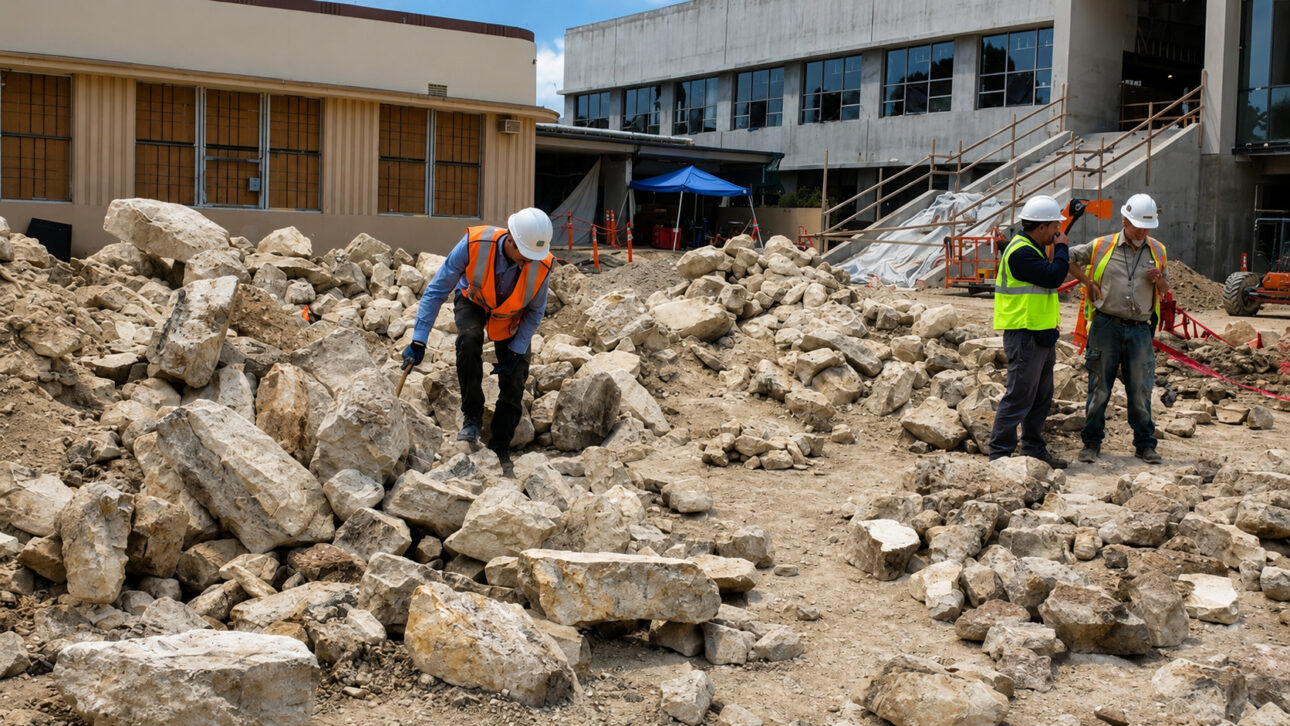
A paleontological site is a place where very ancient remains of living beings are preserved in the soil. In the case of the school, the surprise appeared in an urban area, within a common institution, surrounded by streets, students, and school routine.
Among the cited finds are saber-toothed salmon, coastal birds, sea turtles, and megalodon. The presence of such different animals on the same site helped show that the school was over an ancient marine landscape.
Why there were marine fossils beneath a school
Los Angeles today is remembered for avenues, crowded neighborhoods, and urban constructions. But the soil can hold layers much older than the city itself. When animal remains are covered by sediments and protected for a long time, they can become fossils.
Popular Mechanics, a magazine about science, technology, engineering, and innovation, detailed that the oldest fossils were trapped in diatomite, a rock formed by fossilized algae. This layer indicates an ancient marine environment, rich in nutrients and capable of sustaining much life.
The campus is located on the Palos Verdes Peninsula, a region connected to Los Angeles. The presence of marine material helps to understand why the discovery draws so much attention: a modern school was built over signs of an ancient ocean.
What it means to find more than 200 species on the same site
Finding more than 200 species at a school construction site is not just a curiosity. This number shows variety, concentration, and a rare chance to study how different animals lived in the same environment millions of years ago.
Wayne Bischoff, director of cultural resources at Envicom Corporation, described the find as “an entire ocean ecology from 9 million years ago.” The phrase summarizes the scientific magnitude of the discovery and helps explain why researchers are likely to study the material for a long time.
Alberto Carvalho, superintendent of the Los Angeles school district, stated that the millions of fossils found have opened a new phase of studies and may bring notoriety to the community and the school. For the students, paleontology no longer seems like a distant museum subject.
How construction continues when the ground becomes a laboratory
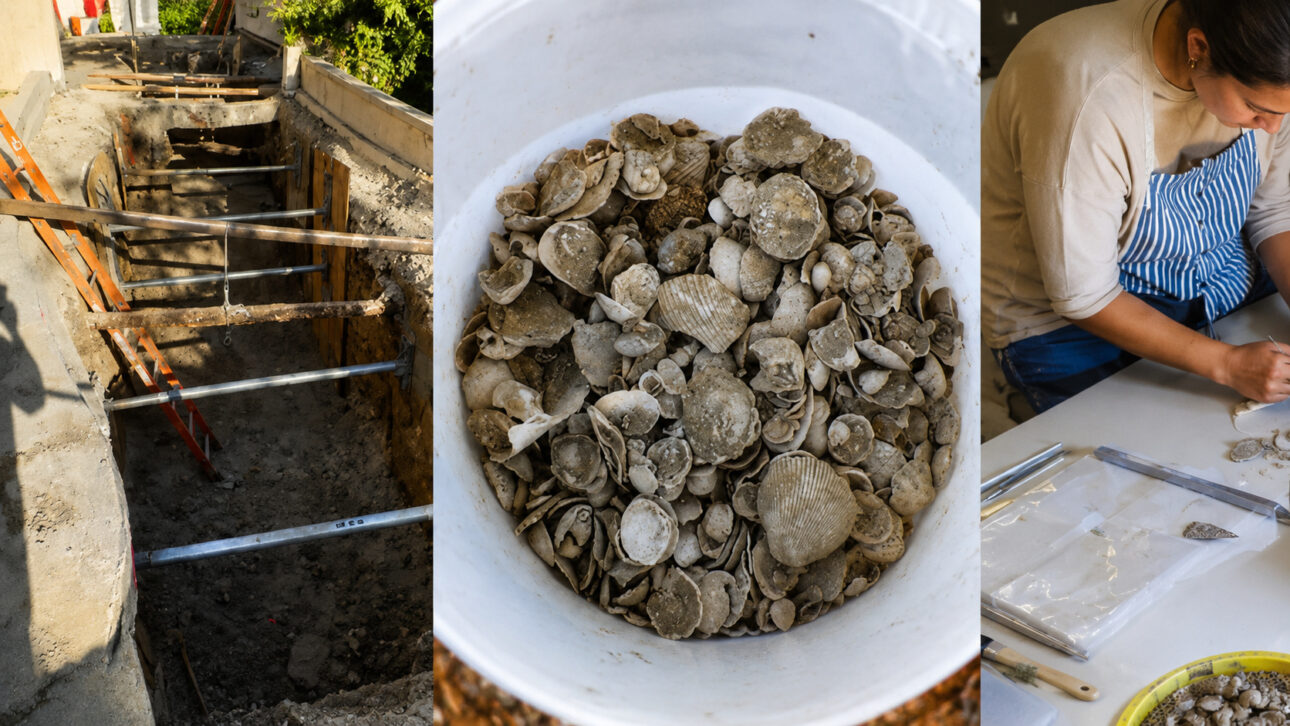
When a construction site encounters scientific material, excavation no longer deals only with concrete, soil, and machinery. In the case of San Pedro High School, the fossils needed to be separated, preserved, and sent for analysis.
Most of the finds were handled by researchers associated with the school district, the Cabrillo Marine Aquarium, California State University Channel Islands, and the Natural History Museum of Los Angeles County. This prevents the fragments from being treated as debris.
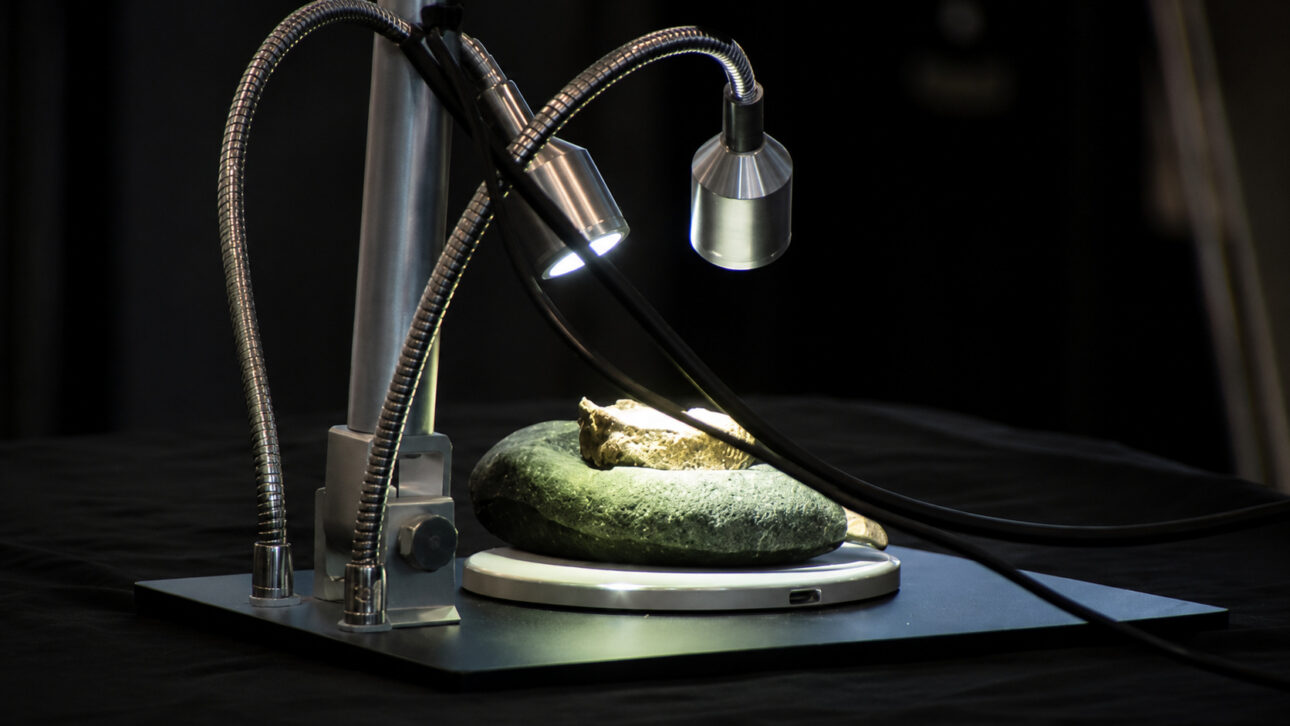
The school project, then, began to coexist with an unusual routine. The land ceased to be just a base for new buildings and turned into a sort of open laboratory, with material capable of revealing details of a vanished world.
Students also embarked on the path of discovery
The find was not limited to researchers. Milad Esfahani, a student at San Pedro High School, participated in activities at the Natural History Museum by sorting fossilized shells. The experience brought the student closer to an area that once seemed distant.
He compared the activity to gold panning and began to show interest in pursuing a career in marine paleontology. For a student, touching material removed from their own campus changes the way they view science, school, and city.
This participation helps explain the social impact of the discovery. The renovation not only modernized a school space. It also brought young people closer to real research, conducted from the ground they walked on every day.
Why this find may take years to be understood
The millions of fossils found beneath San Pedro High School have not yet revealed everything. Even with more than 200 species already cited, the true scale of the discovery may take years to be fully understood.
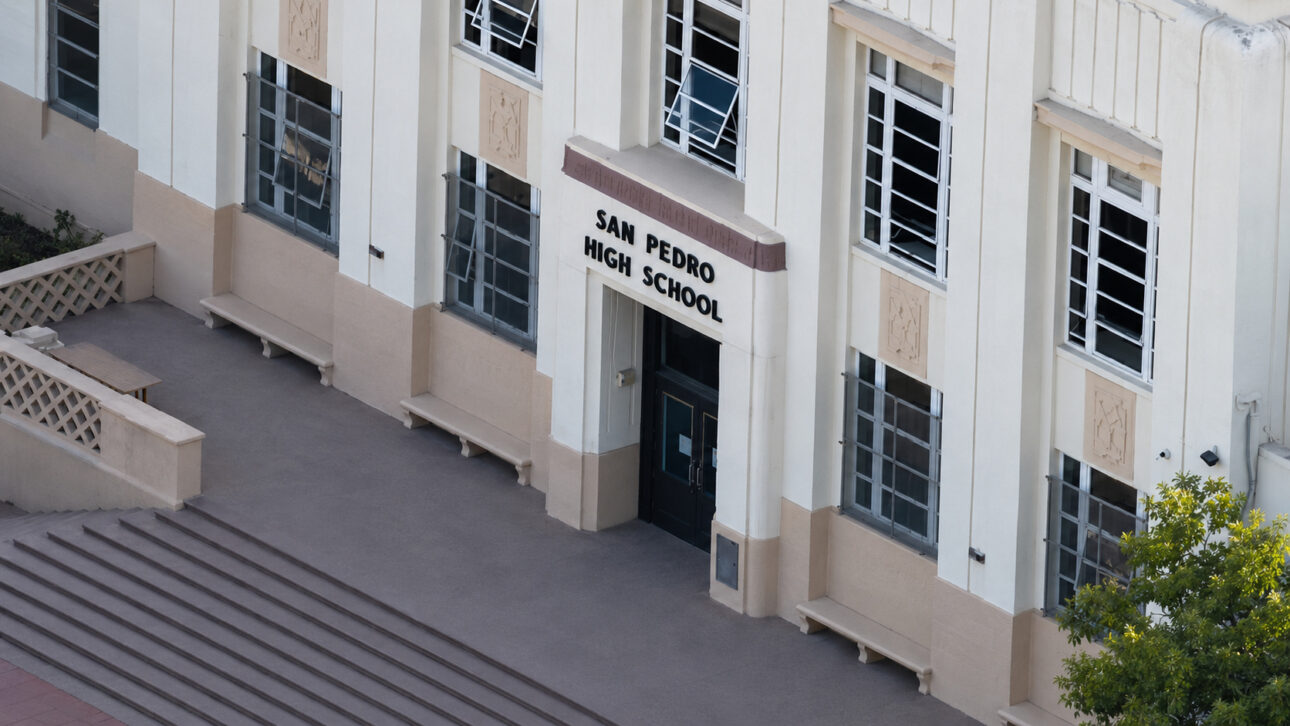
Each fragment needs to be identified, compared, and placed within a larger framework. This work can show which animals lived there, what the environment was like, and why that region preserved so many traces in the same area.
The discovery also reinforces the scientific idea that ancient Los Angeles was once submerged. For those who pass through the city today, it’s hard to imagine a seabed beneath streets, schools, and neighborhoods. But the ground showed that the current landscape hides much older chapters.
The renovation of San Pedro High School began as a common modernization and ended linked to a discovery of scientific scope. Beneath a Los Angeles school, millions of fossils, more than 200 species, and signs of a 9-million-year-old marine ecosystem appeared.
The case shows how urban projects can reveal forgotten parts of natural history. What would you do if your neighborhood school discovered an ancient seabed beneath its grounds? Leave your opinion in the comments and share this post.


