






 Portuguese
  Spanish


After almost five years of work, about 550 scientists from 86 countries delivered to the UN the largest assessment ever made about the ocean. The report shows that sea levels are rising faster and that climate change and pollution threaten the future of billions of people.
A group of about 550 scientists from 86 countries spent almost five years focusing on the health of the seas and reached a worrying conclusion. According to them, the rate at which sea levels are rising has nearly doubled, from up to 1.9 millimeters per year before 2015 to 4.3 millimeters per year in 2023.
The conclusions are in the World Ocean Assessment, a report of about 1,600 pages released by the UN. The document gathers the main data about the ocean and issues a direct warning: the future of billions of people will depend, in the next decade, on how humanity reacts to climate change and pollution.
What 550 scientists discovered about the ocean
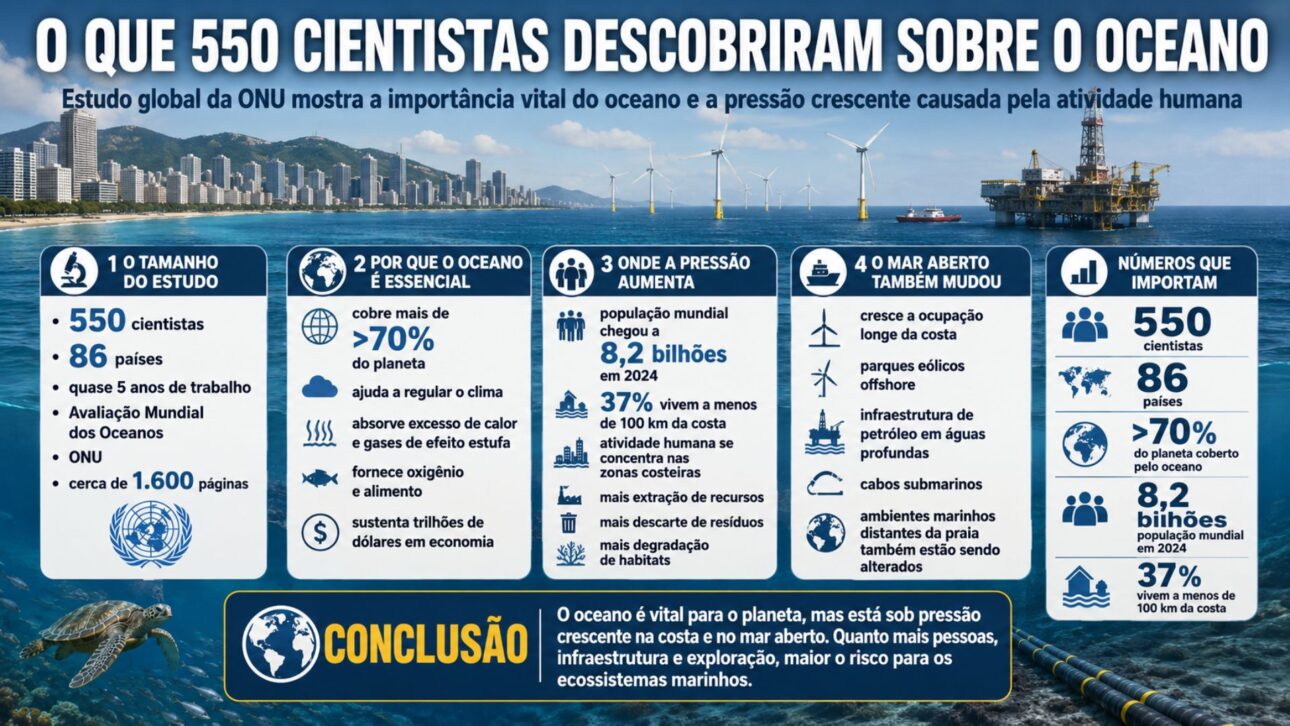
The size of the study indicates its importance. About 550 scientists from 86 countries dedicated almost five years to produce the World Ocean Assessment, released by the UN and considered the most comprehensive ever made on the subject, with about 1,600 pages. The starting point is simple: the ocean covers more than 70% of the planet, regulates the climate by absorbing much of the excess heat and greenhouse gases, provides oxygen and food, and supports trillions of dollars in the economy.
-
Kazakhstan’s Torysh Valley Holds Thousands of Giant Stone Spheres, Intriguing Scientists with Ancient Oceanic “Cannonballs”

-
Egypt Discovers 18 Ancient Tombs with Gold Tongues, Unveiling Unusual Funeral Rituals and Amulets Believed to Give Voice to the Dead

-
Nigeria Dumps 120 Million Tons of Sand into Atlantic to Build Massive City with 8.4 km Sea Wall for Protection Against Ocean Waves and Erosion
-
German Engineer Developed Diesel Engine Running on Vegetable Oil Decades Before Electric Cars Became Popular; Can This Forgotten Idea Work in 2026?



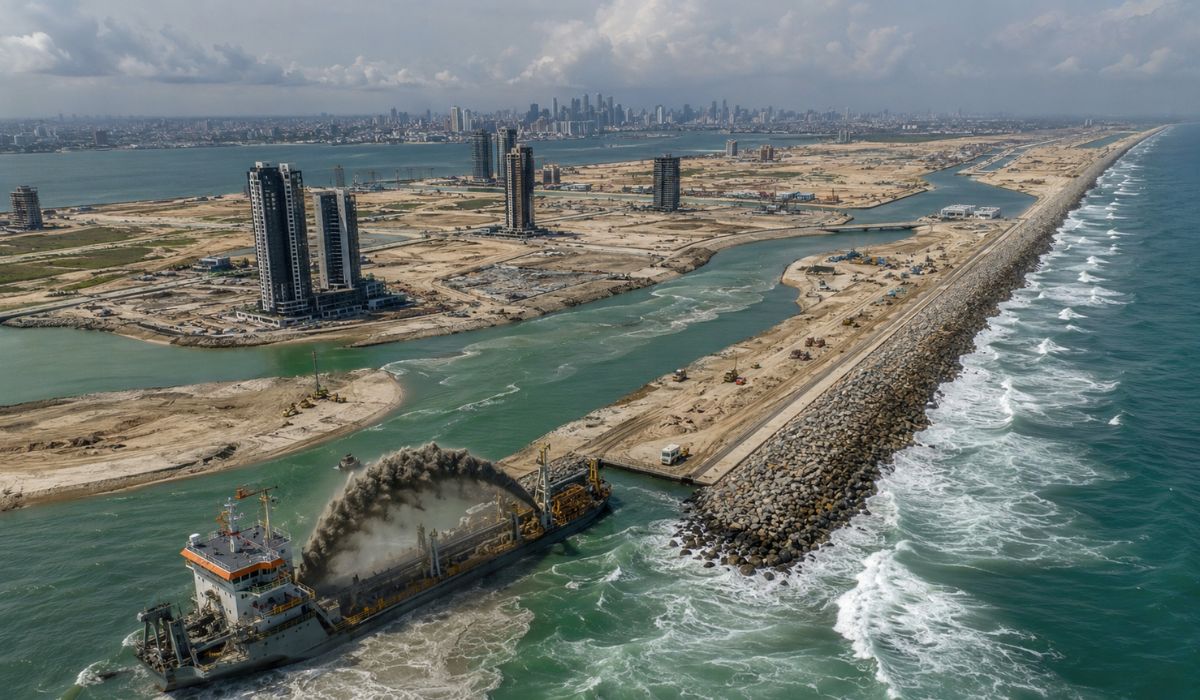

The problem is that all this structure is under increasing pressure. The world population reached 8.2 billion people in 2024, and about 37% of them live less than 100 km from the coast, which concentrates human activity in coastal zones and increases resource extraction, waste disposal, and habitat degradation. At the same time, according to the scientists, there is growing occupation in the open sea, with wind farms, deep-water oil infrastructure, and submarine cables altering environments increasingly distant from the shore.
Sea level doubled and the Arctic warms four times faster
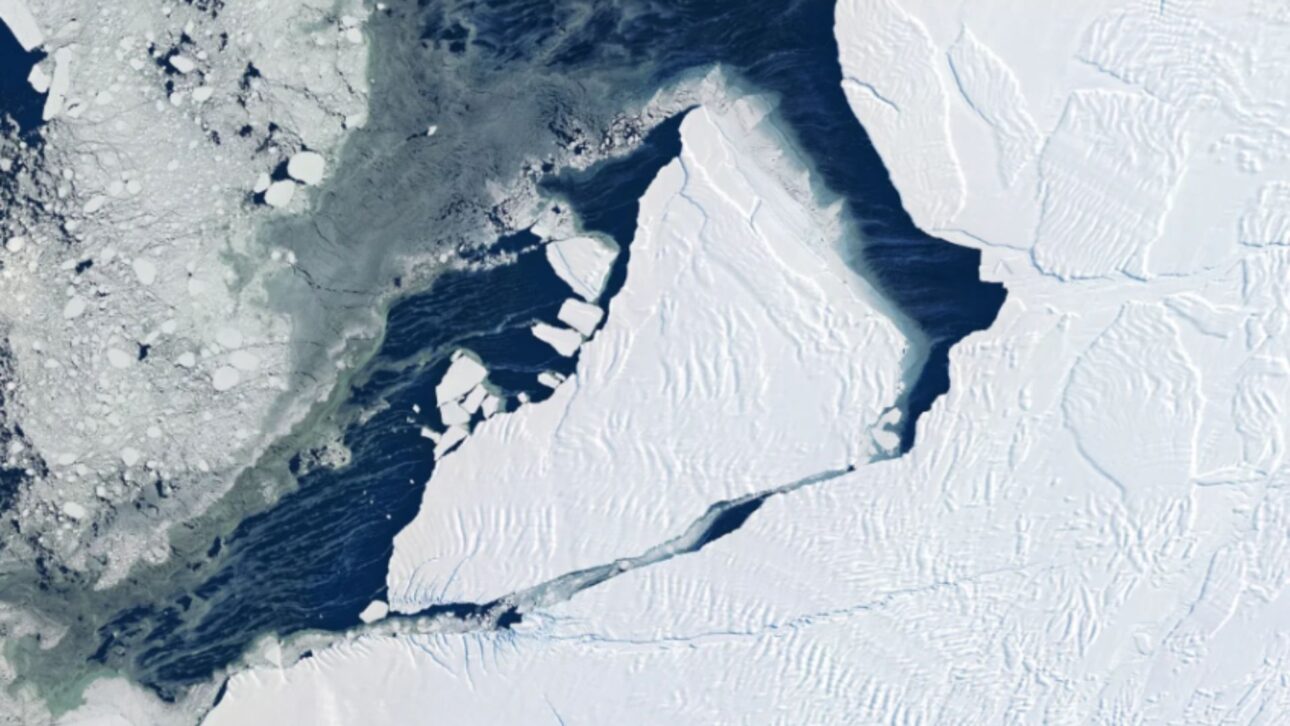
Among the most alarming data are those related to climate change. The rate of sea level rise, driven by the melting of polar ice caps and the expansion of heated water, has doubled: it was up to 1.9 millimeters per year before 2015 and reached 4.3 millimeters per year in 2023. In the Arctic, warming is advancing four times faster than the global average, a pace that alarms researchers.
The numbers remain concerning on other fronts. According to the report, 16% of all ocean temperature increase recorded since 1955 happened only after 2018, showing a recent acceleration. Meanwhile, so-called dead zones, where the oxygen level is so low that most marine life cannot survive, now total 4.5 million square kilometers. Without the cooling effect of the ocean, scientists warn, extreme weather events are likely to become more frequent.
Corals disappearing and plastic pollution on the rise
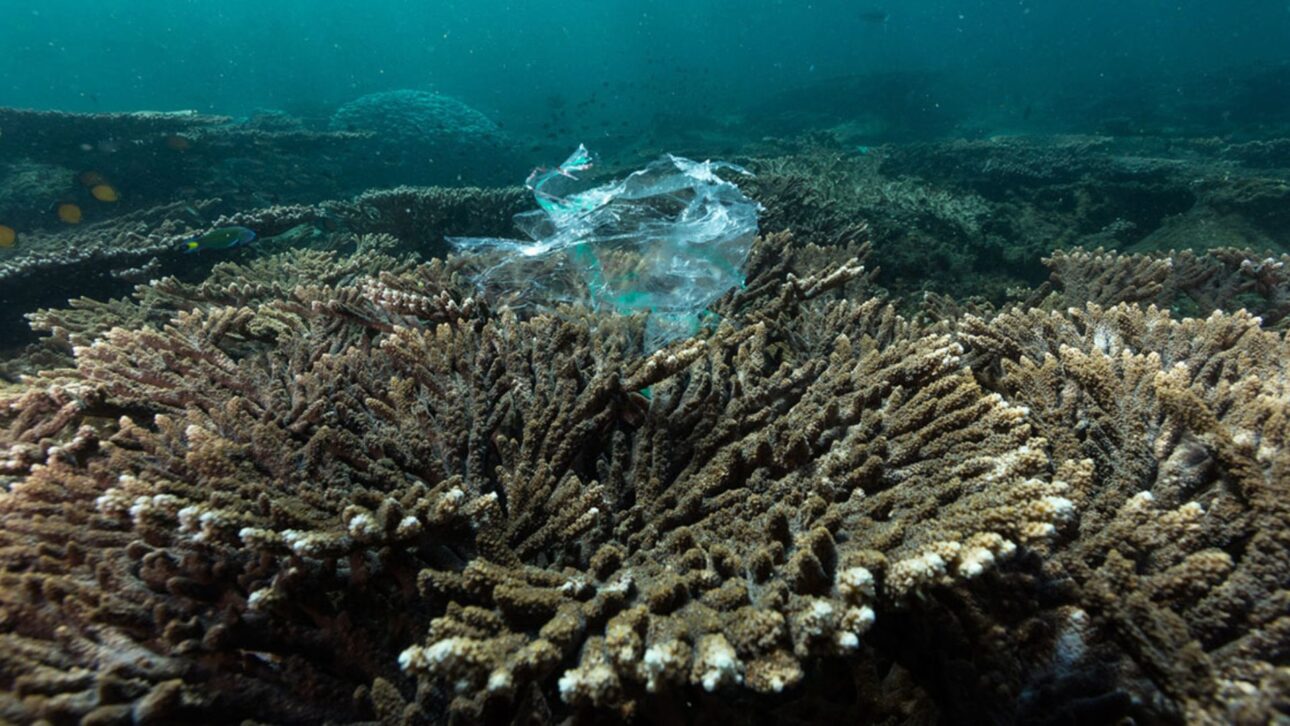
The loss of marine life is another strong warning. Caribbean coral reefs have shrunk by about 80% since the 1970s and, according to the report, up to 90% of the world’s reefs could disappear if warming exceeds 1.5°C above pre-industrial levels. Ecosystems like mangroves and seagrass meadows continue to diminish, while species ranging from plankton to marine mammals migrate towards the poles as the water warms.
The pollution, in turn, only increases. Each year, 52 million tons of plastic reach the ocean, forming an estimated total of 24 trillion microplastic particles, which already affect more than 4,000 marine species. Scientists have also detected more than 4,000 compounds from medicines and hygiene products in the waters. Amid the warnings, there is good news related to pollution: historical pollutants like mercury have decreased in some regions, showing that human action can yield results.
Fishing, economy, and the race to save the ocean
The economic weight of the ocean helps to understand the magnitude of the risk. The seas provide about 20% of all animal protein consumed in the world, marine aquaculture has become a $90 billion industry, and 121 million people engage in recreational fishing. Still, the pressure is great: in 2021, 37% of fish stocks were overfished, and illegal fishing removes 8 to 14 million tons per year, generating between $9 and $17 billion in illicit revenues. Add to this an ocean economy valued at $1.5 trillion per year, projected to exceed $3 trillion by 2030, and a tourism sector that supports 174 million jobs.
In this scenario, scientists state that there are solutions, such as nature-based solutions, emission reductions, and more protected marine areas. The warning, however, is honest: fully restoring the ocean ecosystems would help with only about 2% of the global targets for combating climate change, showing that isolated measures are not enough. With governance still fragmented, divided into 57 international treaties, and only 27% of the seabed mapped, the UN report concludes that the next decade will be decisive to prevent degradation from threatening food security and the well-being of billions of people.
Knowing that the sea level has doubled in speed and that scientists link the future of billions of people to the health of the ocean transforms a distant topic into something urgent.
Tell us in the comments if you believe the world will act in time against climate change and ocean pollution.


