





 Portuguese
  English
  Spanish
  4 min of reading
  0 comments


The pre-print study tested base editors in human embryos and showed high precision in correcting genes linked to serious diseases
A scientific research of great impact was presented by researchers from Columbia University, in the United States, attracting international attention. The study managed to edit the DNA of early-stage human embryos with unprecedented precision and, with this, opened a new discussion about the future of genetic medicine. The investigation focused on genes linked to heart diseases related to cholesterol and blood diseases, such as sickle cell anemia. The work is still in pre-print format, meaning it has not undergone formal review by other scientists, but it is already stirring specialists due to the success rate and the ethical dilemmas involved.
Technical advancement reveals new way to correct DNA
The research gained prominence because it used a different approach from the traditional CRISPR/Cas9. This more well-known technique works like a molecular scissor, as it locates the exact point of the DNA and cuts both strands of the double helix. The problem is that human embryos have difficulty repairing this total cut, which can cause serious failures, including the loss of entire chromosomes. The scientists then tested base editors, known by the acronym ABE, which promise a more precise intervention.
Base editors function as genetic corrector
Base editors do not cut the DNA structure. They locate a single wrong “letter” in the genetic code and replace it with another, without breaking the double helix. In practice, the technique works like a high-precision molecular corrector, capable of acting on a microscopic scale. This aspect made the study especially relevant, as it reduced the risks associated with cuts caused by traditional genetic editing methods.
-
Capacitor uses pure water to store electricity and surprises by surpassing 60,000 charge cycles without chemical electrolytes.

-
South Africa is investing billions of dollars to transform the desert into a green hydrogen hub, with solar plants, wind farms, and a new port, in the ambition to become one of the largest exporters of this fuel.

-
While firefighters are still putting on protective gear, an Austrian robotic dog can already be inside the danger zone sniffing out toxic substances and transmitting live images, saving precious minutes and keeping the team out of harm’s way.
-
“Lazy” DNA reveals the secret of sloths and shows how jumping genes can explain slow metabolism and surprising longevity


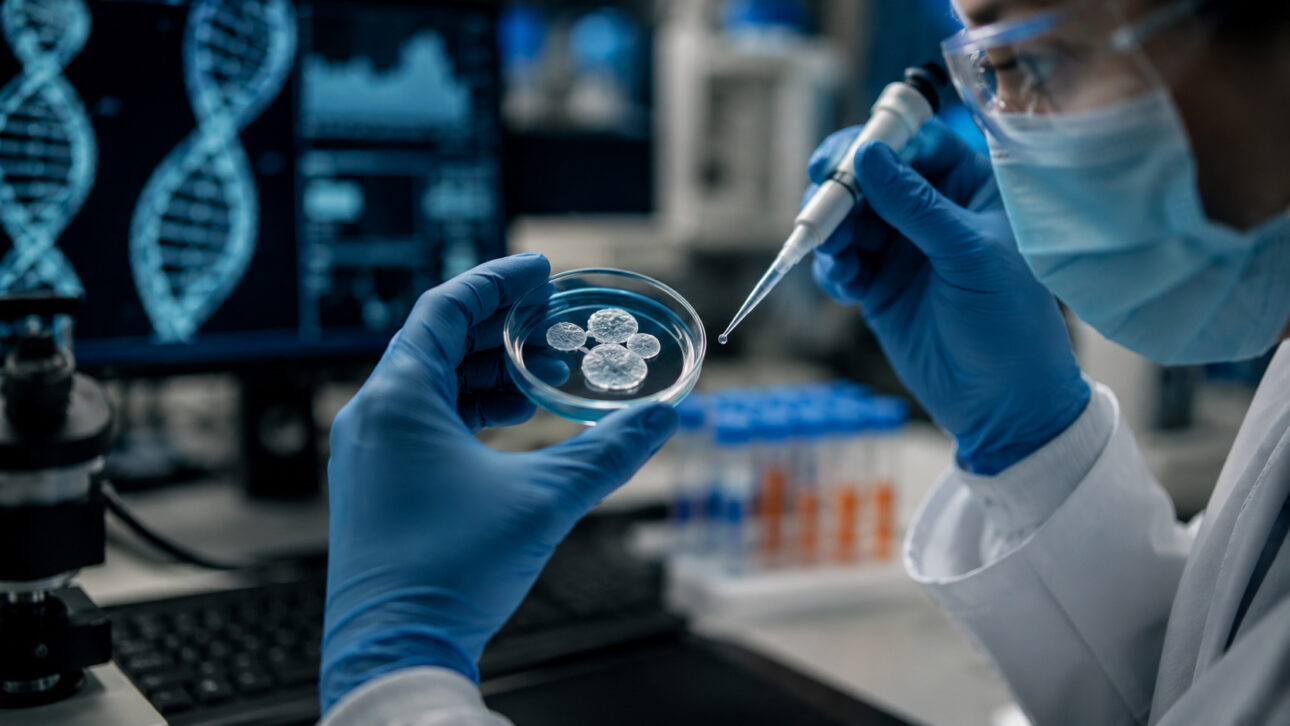
PCSK9 and HBG genes were chosen for the tests
The first target of the research was the PCSK9 gene, which controls cholesterol levels in the blood and is associated with the risk of hereditary heart diseases. This data is significant because cardiovascular problems are among the leading causes of death in Brazil. According to the Ministry of Health, heart diseases account for about 400,000 deaths per year in the country. The second target was the HBG gene, which, when strategically altered, can help in the treatment of blood diseases, such as sickle cell anemia. In Brazil, estimates indicate that between 60,000 and 100,000 people live with the disease.
Results show high success rate
In total, the study analyzed 40 embryos for the PCSK9 gene and 17 embryos for HBG1/2. The embryos were donated by patients from fertility clinics who had already completed their treatments and would be discarded. After applying the genetic editor, the researchers evaluated three main points: efficacy, chromosomal integrity, and embryonic development. The success rate ranged from 70% to 95%, depending on the gene analyzed. Unlike traditional CRISPR, the base editors did not cause structural damage identified in the study. The embryos were also monitored until the blastocyst stage, which occurs between 5 and 6 days after fertilization.
Clinical application still requires caution
Despite the promising results, the technology is still far from clinics. The research needs to undergo scientific review, independent validations, and new safety stages before any use in reproductive treatments. The researchers themselves stated that bringing this advancement to a clinical context would still be premature. Therefore, the study represents an important technical step but not an immediate authorization for medical application.

Ethical debate grows along with innovation
The discovery opens up two possibilities that divide bioethics specialists. On one hand, the technique could allow families with a history of severe genetic diseases to avoid hereditary mutations before pregnancy. On the other hand, the same mechanism could, in theory, be used to choose physical characteristics of children. This point concerns the scientific community, as it goes beyond disease prevention and enters an area considered delicate.
The future of genetic editing in embryos
Currently, the study is seen as a technical breakthrough without precedent in embryonic genetic editing. Even so, the distance between laboratory and clinic remains large. Science still needs to prove safety, efficacy, and ethical limits before any practical application. Meanwhile, the research from Columbia University already places genetic medicine before an inevitable question.
In this scenario, do you believe that genetic editing in embryos should be used only to prevent serious diseases, or does science still need to establish stricter limits before advancing?





-

1 person reacted to this.