






 Portuguese
  Spanish


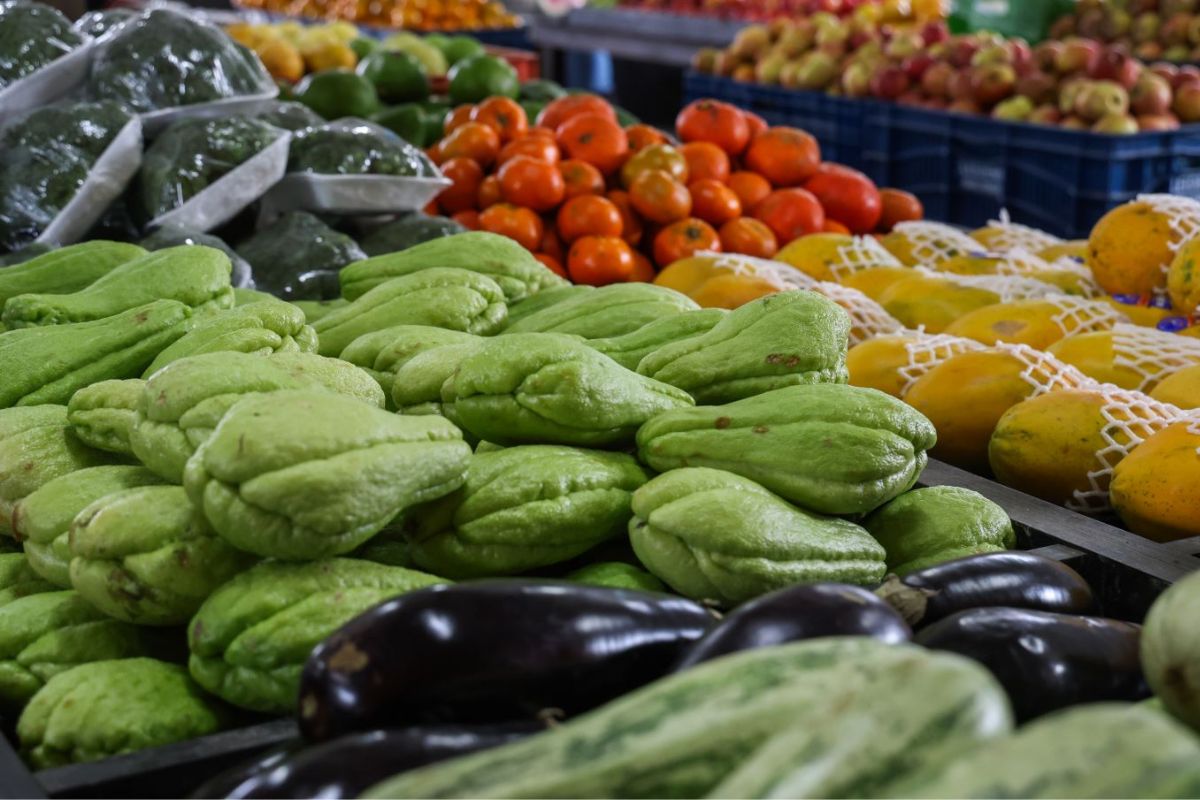


The Advancement of Food Security in Santa Catarina Reflects Integration Between Sustainable Agriculture, Public Policies, Formal Employment, and Programs That Strengthen Access to Healthy Food in the State
Food security in Santa Catarina has reached a historical milestone and established the state as a national reference in access to quality food, according to an article published.
According to the Continuous National Household Sample Survey (PNADC/A) 2024, released by IBGE, 90.6% of households in Santa Catarina are in a situation of food security.
This result places the state at the forefront of the Brazilian ranking, ahead of Espírito Santo (86.5%) and Rio Grande do Sul (85.2%). Paraná ranks fourth (84.7%), and Goiás is fifth in the ranking (82.1%).
-
Brazilian Family’s Cheese, Started with One Cow in 1984, Named Best in the World, Beating 2,700 Competitors from 30 Countries

-
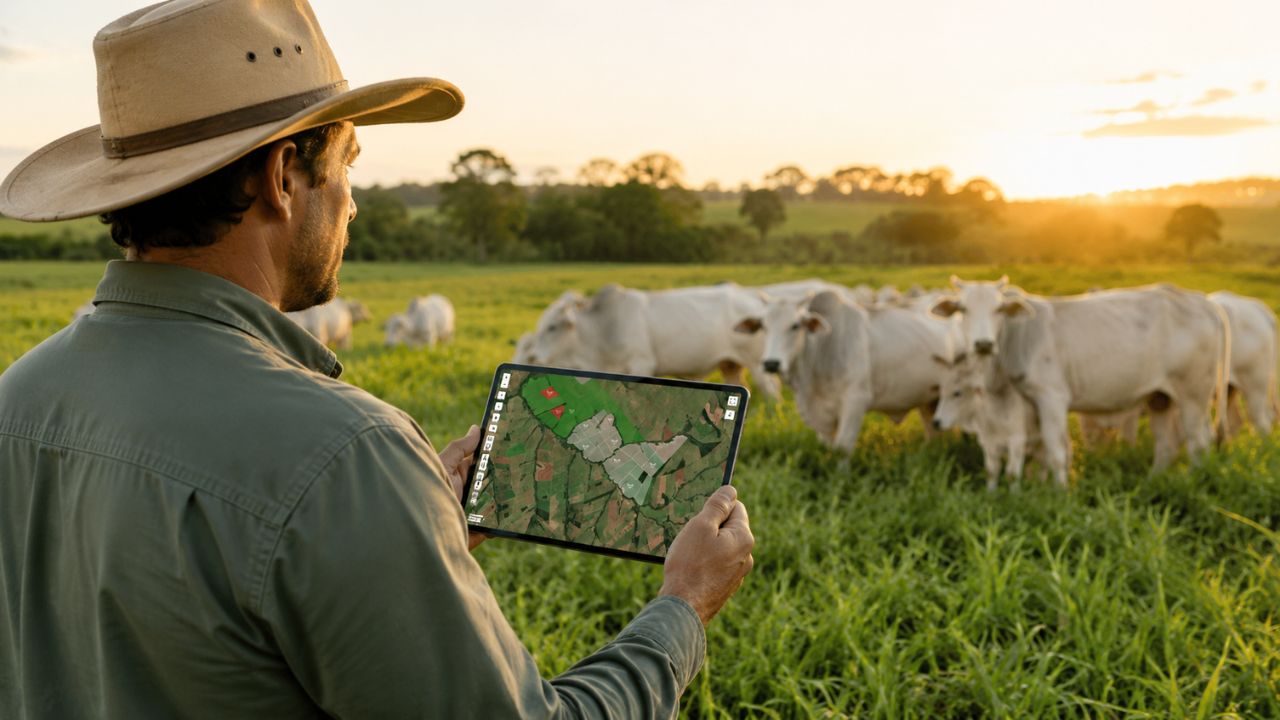
Brazilian Ranchers Use Satellites to Optimize Pasture Management and Prevent Feed Loss in Cattle Farms

-
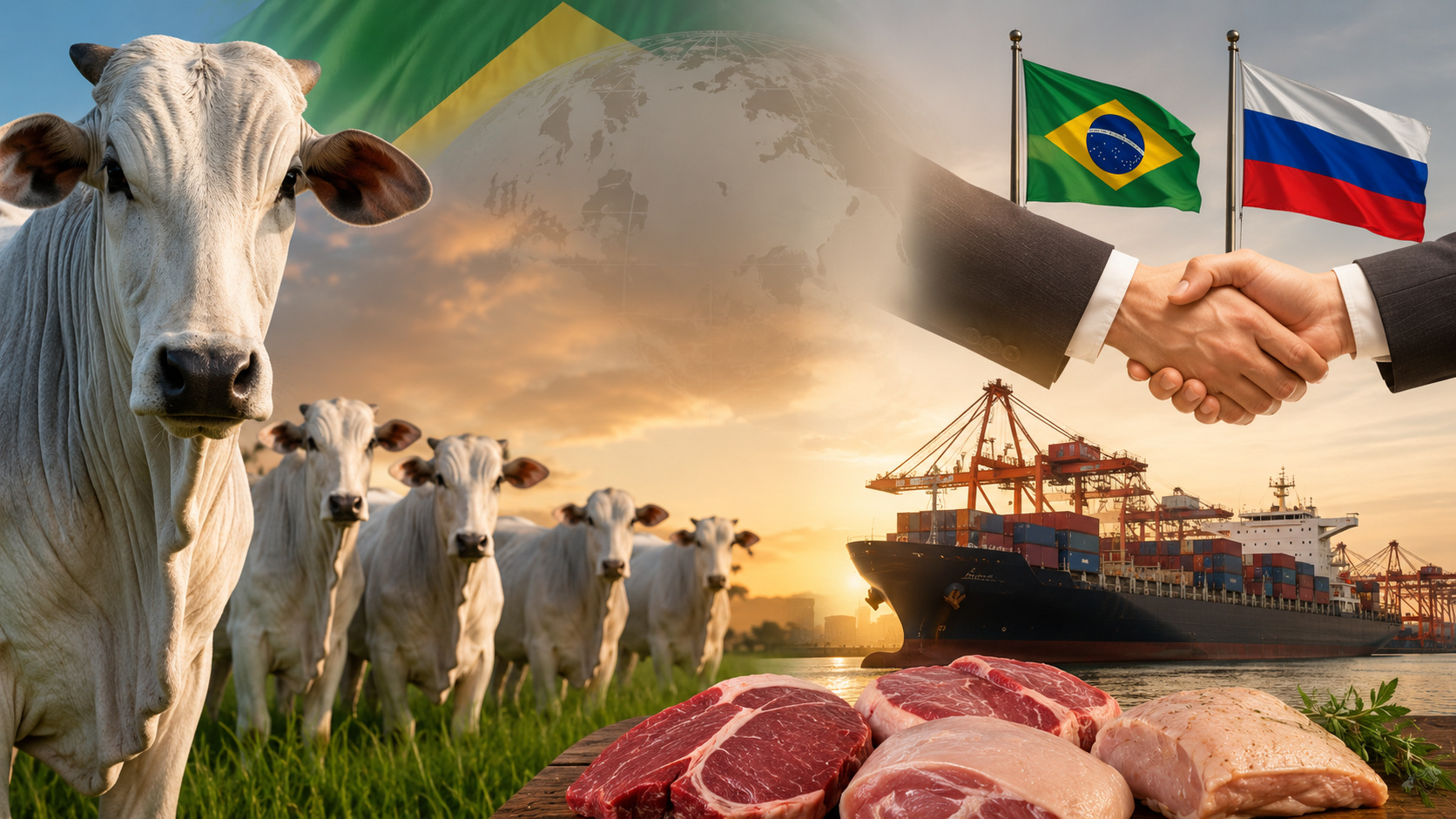
Russia Follows China in Recognizing Brazil as Free from Foot-and-Mouth Disease Without Vaccination, Boosting Meat Exports and Agribusiness Potential

-
23-Year-Old Brazilian Turns Beekeeping into College Tuition, Harvesting Honey Twice a Year from 50 Hives



More than just a statistical data point, this performance reflects a model of public and productive management that integrates social, economic, and environmental policies.
Sustainable Agriculture and Public Programs Strengthen Food Security
Food security in Santa Catarina is directly associated with agricultural diversification and the adoption of sustainable practices.
The state’s Food Security Coordinator, Juliana Rocha Pires, explains that the joint work between the sectors of Health, Education, Assistance, and Agriculture is essential to guarantee the right to quality food.
Among the highlighted actions are the reduction of pesticide use, the promotion of organic production, and the distribution of seeds to small producers.
These initiatives strengthen the rural economy and expand access to healthy food, benefiting communities and schools through meal programs with local products.
The strengthening of family farming also generates income in the countryside and stimulates regional productive chains, keeping sustainability at the center of decision-making.
The strategy has been recognized for promoting a positive cycle between responsible production and the nutritional security of the population.
Formal Employment and Stable Income Increase Access to Healthy Food
Another determining factor for the level of food security in Santa Catarina is the high level of formal employment.
According to the Secretary of Social Assistance, Women, and Family, Adeliana Dal Pont, stable income provides families with the power of choice and access to quality food.
The state has the lowest unemployment rate in the country and the second highest average income for workers, along with the lowest national inequality index.
These numbers demonstrate that economic development, when combined with social inclusion, directly impacts quality of life.
Families with formal employment and constant income can plan their food and ensure balanced meals, reducing the risk of food insecurity.
This economic and social balance is the result of integrated public policies that unite agriculture, employment, and social welfare.
Public Policies and Intersectoral Coordination Ensure Durable Results
Food security in Santa Catarina is also a result of the integration between government, producers, and civil society.
The Secretary of State Planning, Fabricio Oliveira, emphasizes that the policies implemented by Governor Jorginho Mello have boosted quality of life and socioeconomic stability.
Programs aimed at school meals, sustainable agriculture, and social development have contributed to significant results.
Furthermore, the state leads the food security ranking both in the proportion of households (90.6%) and in resident population (90.1%), surpassing the national average of 74.2%.
These data reinforce the efficiency of planning policies and demonstrate that the coordination between public and productive sectors is essential for maintaining results.
The numbers reveal that food security in Santa Catarina is not limited to access to food, but rather a set of conditions that involve income, education, health, and sustainability.
The sum of these factors transforms the state into a national example of balance between economic development and quality of life, with positive impacts across all regions of Santa Catarina.




Great article! I really appreciate the clear insights you shared – it shows true expertise. As someone working in this field, I see the importance of strong web presence every day. That’s exactly what I do at https://webdesignfreelancerhamburg.de/ where I help businesses in Hamburg with modern, conversion-focused web design. Thanks for the valuable content!
Great article! I really appreciate the clear insights you shared – it shows true expertise. As someone working in this field, I see the importance of strong web presence every day. That’s exactly what I do at https://webdesignfreelancerhamburg.de/ where I help businesses in Hamburg with modern, conversion-focused web design. Thanks for the valuable content!