






 Portuguese
  Spanish


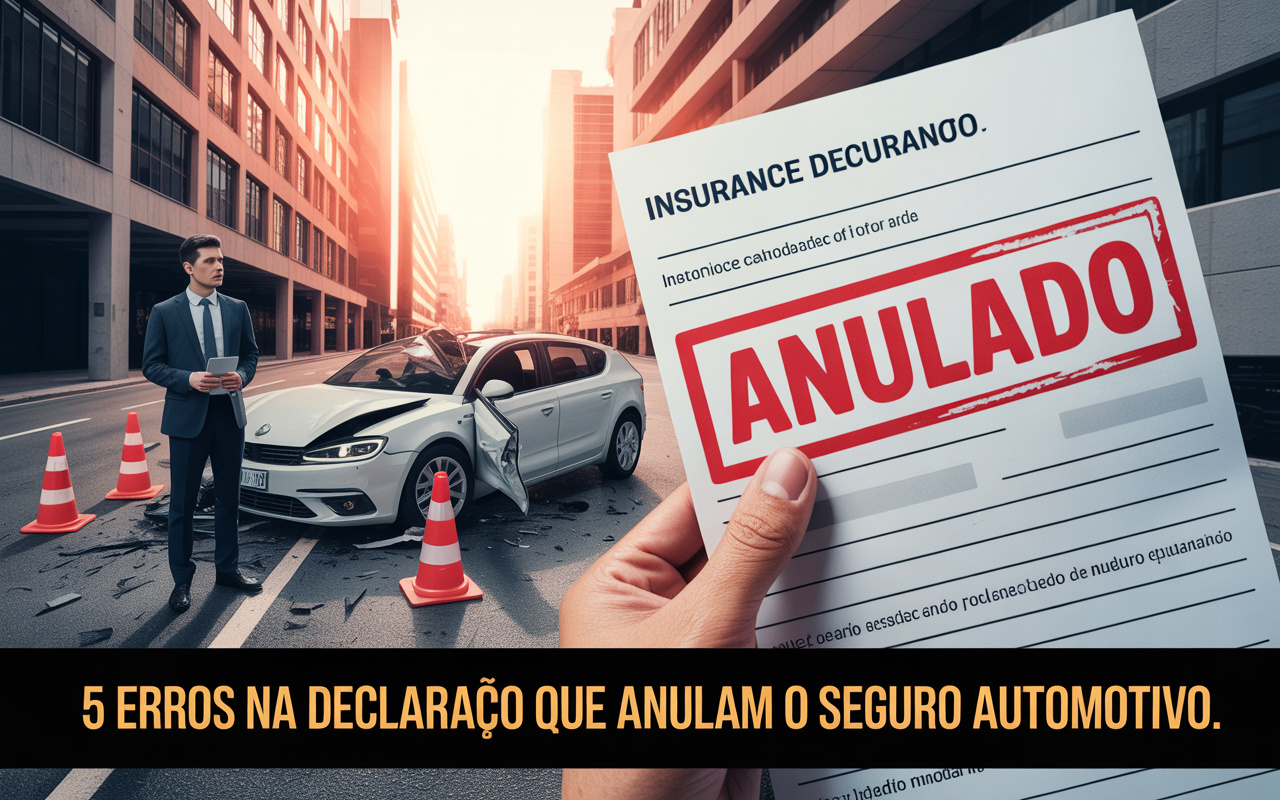
Discover The 5 Most Common Mistakes When Hiring Automotive Insurance That Can Void Your Coverage In Case Of An Accident And Learn How To Avoid Them.
Hiring car insurance is one of the most effective ways to protect your assets from theft, burglary, and accidents. However, what many drivers do not know is that coverage can be voided by mistakes made during the hiring process. Seemingly simple details, if omitted or incorrectly provided, can lead the insurer to refuse payment of compensation in the event of a claim.
Now understand the five most common mistakes that void automotive insurance coverage and how to avoid them to prevent headaches when you need it the most.
1. Providing Incorrect Or Outdated Address
The residence address directly influences the insurance premium, as areas with higher rates of theft or collisions have a higher cost. Many drivers provide an old address or that of relatives to pay less, but this practice is considered fraud.
-
Chinese Giant Uses Metal Structures and Cranes to Deliver Over 700 Electric Cars to Brazil

-
Uber Faces Shareholder Scrutiny as Board Accused of Ignoring Safety, Compliance, and Harassment Warnings Amid Over 3,500 U.S. Lawsuits

-
Ferrari’s First Electric Car Divides Fans, Priced at $630,000, Amid Concerns Over Limited Editions; Brand Clarifies It’s Not Just for Future Perks
-
BYD Dolphin Mini: The Electric Car That Defies Depreciation, Losing Only 3.58% in a Year and Becoming the Best-Selling Retail Model Under $22,000


If an accident occurs in a location inconsistent with the reported region, the insurer may refuse the compensation. Always report the actual address where the vehicle spends most of its time.
2. Omitting Who Actually Drives The Car
Another common mistake is declaring only one driver when, in practice, the vehicle is used by different family members, especially young or inexperienced drivers.
The main driver must be reported correctly, as age and length of license influence the risk calculated by the insurer. If an accident occurs with someone not declared who frequently uses the car, the coverage may be voided.
3. Reporting Incorrect Annual Mileage
Insurers request the estimated annual mileage to calculate the risk. Reporting an average that is much lower than the reality—such as 5,000 km when the car drives over 15,000 km—can reduce the insurance cost, but it also opens the door for denial in case of an accident.
The company may request maintenance history or reports to prove the actual mileage. Discrepancies can be interpreted as bad faith.
4. Not Reporting Modifications To The Vehicle
Changes such as the installation of a CNG Kit, sports wheels, lowering, power chip, or any mechanical modification must be communicated to the insurer. These changes alter the risk of accident or fire, besides influencing the replacement cost of the car.
If the modified vehicle suffers a loss and the alteration is not registered in the policy, the insurer may deny compensation or pay a reduced amount.
5. Omitting Professional Use Of The Vehicle
Many drivers use their car for ride-sharing apps (Uber, 99, InDrive) or deliveries but do not inform this condition when hiring insurance. Since professional use increases exposure to risks, insurers require specific coverage.
If an accident occurs during a ride-share and professional use is not declared, coverage may be denied. It is essential to choose plans that include this modality.
How To Avoid Problems With Car Insurance
- Carefully review all information before signing the policy.
- Immediately inform changes in usage routine or address to the insurer.
- Keep documents and receipts that can attest to the veracity of the information.
- Be wary of proposals with prices significantly below average: they may indicate a higher risk of future denial.
The rule is clear: transparency protects the driver. Automotive insurance is a contract of trust, and any omission can be costly.


-

1 person reacted to this.