





 Portuguese
  English
  Spanish
  4 min of reading
  0 comments


While Brazil Faces Paralysis in Its Space Agency, Startups and Agencies Like ESA Are Already Testing Steam-Powered Rockets — A Sustainable Revolution in the Space Race That Does Not Require Fossil Fuels and Does Not Pollute.
Imagine a rocket rising to the skies, emitting no pollutants, with no chemical explosions, using no fossil fuel. Sounds like science fiction? Well, this technology already exists — and uses just one abundant, accessible, and clean element: water. It is steam propulsion, an innovative and sustainable alternative being tested by aerospace startups and agencies like the ESA (European Space Agency). And while the concept is simple, its impacts can be profound: reducing costs, making space more accessible, and decreasing the environmental footprint of the aerospace industry.
But while the world tests eco-friendly rockets, Brazil is still crawling. The Brazilian Space Agency (AEB), created with high ambitions, now suffers from shutdowns, budget cuts, and few relevant launches.
Understand How a Steam-Powered Rocket Works
Unlike conventional rockets, which use violent chemical reactions between liquid or solid fuels, the steam rocket heats water until it turns into high-pressure gas. This pressure is then released through a nozzle, creating the thrust needed for the rocket to move.
-
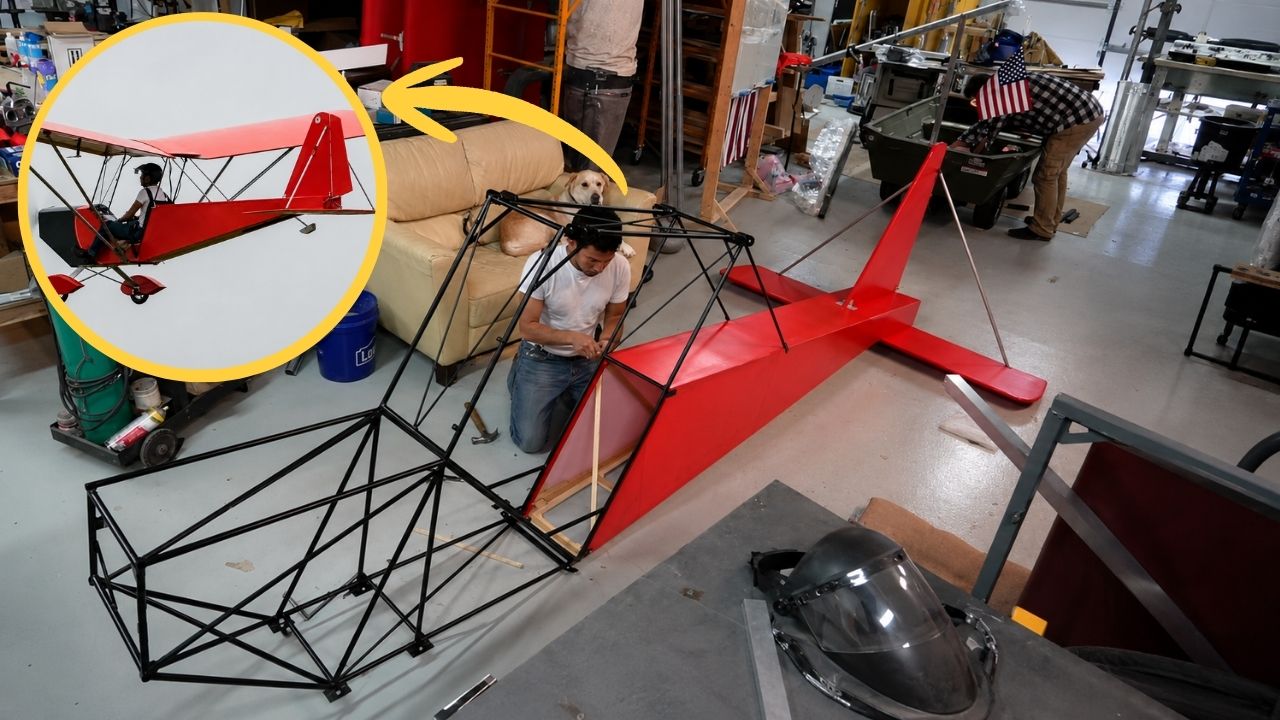
An American built a plane at home using styrofoam, plywood, and drone motors for less than $5,000, and the electric aircraft assembled in the garage can actually take off and fly like a conventional plane.

-
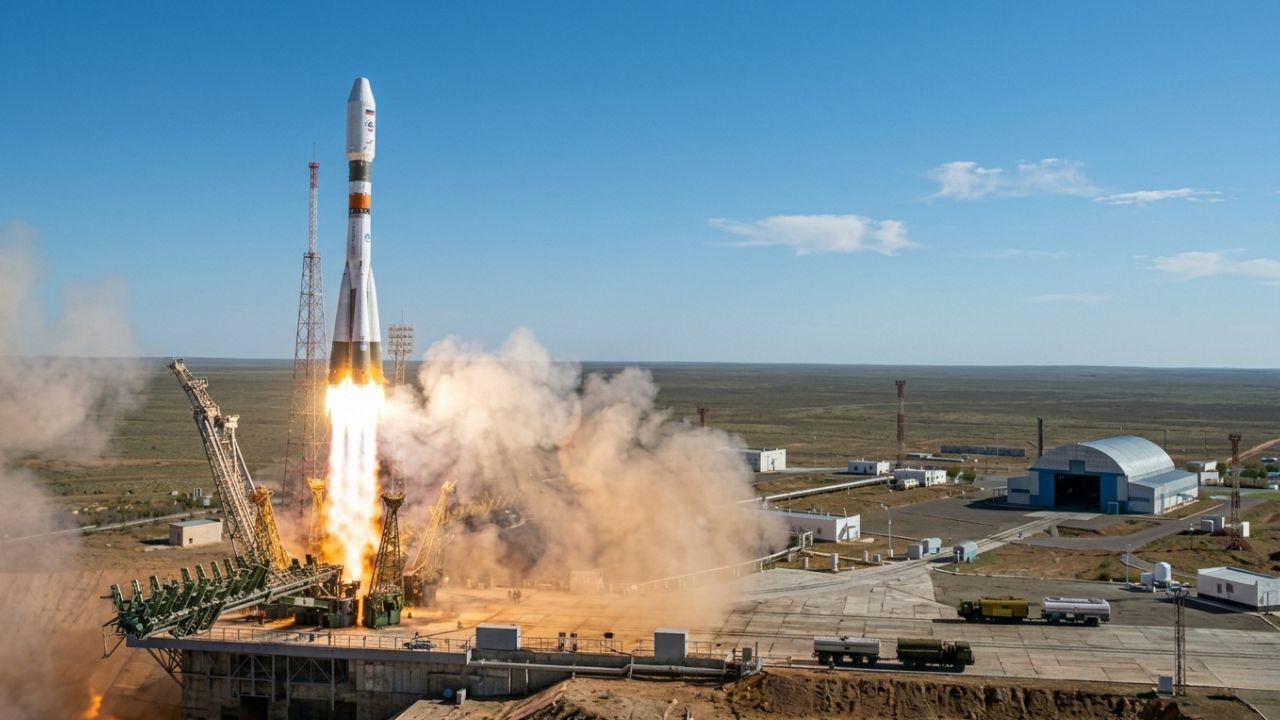
The Soviet rocket N1 had 30 engines, was created to beat the USA to the Moon, and exploded four times in a row: the second detonation destroyed the platform, scattered debris over 10 km, and exposed the secret failure that the USSR denied.
-
Material created at MIT absorbs 99.995% of light and has become ten times darker than Vantablack by engulfing a 16.78-carat diamond valued at 2 million dollars, turning it into pure shadow.

-
Four times faster than sound and reused twice in 90 minutes, General Hypersonics’ rocketless system surpassed Mach 4 with impact accelerator, a milestone that promises to reduce the cost of hypersonic tests and bring repeatable suborbital missions closer.


The system may seem rudimentary, but it offers unique advantages:
- Zero Carbon Emission
- Inexpensive and Non-Flammable Fuel
- Simple and Lightweight System
- Ideal for Small Satellites and Suborbital Flights
It is a perfect solution for microsatellites, short-range probes, or test missions.
Prototypes Already Tested by Agencies and Startups
ESA tested a steam micro rocket prototype in 2018 in the LUMIO project, which simulated orbital correction maneuvers for lunar probes. The idea was to use vapor generated from ice harvested from asteroids or the Moon itself — creating a “self-sustaining” propulsion system for deep space.
The American startup Momentus Space developed a vessel with propulsion based on water vapor for repositioning satellites in low orbit. Named “Vigoride,” the vessel received authorization from the NASA and is being refined for commercial missions.

Other names, such as SteamJet Space Systems (United Kingdom) and Aqua Space Propulsion (Sweden), are also investing in similar projects aimed primarily at low-cost sustainable missions.
In Brazil: We Lost the Steam Rocket and the Launch Window
While the world seeks cleaner technologies to reach space, Brazil remains stuck in the past. The Brazilian Space Agency (AEB), created in 1994 with the ambition of placing the country at the top of the space race, suffers from:
- Insufficient Budget
- Lack of Continuity in Projects
- Low Integration with the Private Sector
- Very Few Launches in Recent Years
Even with the inauguration of the Alcântara Launch Center (MA), considered one of the best geographical sites in the world for launches, the country has still not developed any functional rocket platform in the last 10 years.
Brazil Has Potential — But Lacks Vision
Ironically, Brazil has all the natural and industrial conditions to lead a revolution with water-powered rockets:
- Abundance of Water Resources
- Know-How in Renewable Energy
- Research Centers Such as INPE and ITA
- Emerging Private Companies in Aerospace Technology
But it lacks what other countries already have: initiative, incentives, and real investment in true innovation.
Water Vapor in Space? Yes, and with Scientific Logic
Although it may seem simplistic, water vapor has enormous potential as a form of propulsion in the vacuum of space. The absence of atmospheric resistance allows even small amounts of thrust to generate significant displacements over time — ideal for probes, small satellites, and vehicles that do not need to reach high initial speeds.
Moreover, since water can be collected from asteroids, moons, and even produced from the reaction of hydrogen with oxygen, it can be used in interplanetary missions as in situ fuel — something impossible with traditional fuels.
The Future Is Clean, Silent — and Powered by Steam?
The race for sustainable rockets is far from being a fantasy. With the increasing number of launches, the pressure to reduce costs and environmental impacts grows every day. The explosion of the microsatellite market, the interest in lunar missions, and the multiplication of aerospace startups are paving the way for new forms of propulsion — and steam is one of the most promising.
We may not see an entire SpaceX powered by water, but we will see:
- Satellites Adjusting in Orbit with Steam
- Probes Exploring Moons Using Vapor Extracted from Ice
- Small Rockets Using Water as Safe Fuel for Testing in Urban Environments
While the world seeks cleaner ways to reach the skies, Brazil remains fixated on the past, hindered by bureaucracy and a lack of ambition. Steam propulsion may not be the technology that takes us to Mars — but it is certainly the most promising bridge to democratize space with less environmental impact.
And with centers like ITA, emerging companies, and one of the best launch sites on the planet, Brazil could be a protagonist.
But for that, it will take more than ideas — it will require action, boldness, and real investment in science and technology.


-

1 person reacted to this.