Portuguese
  Spanish


China Highlights The Need To Reduce Excess Capacity To Strengthen The Solar Energy Sector And Ensure Sustainable Growth.
The solar energy sector in China has stood out in recent decades as one of the largest and most influential in the world.
Moreover, the country has become a global leader in the production of solar panels, polysilicon, and other essential components for clean energy generation.
However, the rapid growth of the industry has brought significant challenges, including excess capacity, disorderly competition, and pressure on prices.
Historically, China began investing more heavily in solar energy in the early 2000s.
With government incentive programs, subsidies, and ambitious clean energy matrix expansion goals, the country quickly transformed into a hub of innovation and large-scale production.
Thus, the combination of public policies and private investments allowed the solar energy sector to reach a level of production that now represents approximately half of the global market.
This accelerated growth, however, has brought unexpected consequences, such as excess capacity and falling prices.
Furthermore, technological advancements and reductions in the manufacturing costs of solar panels have stimulated the expansion of solar energy in homes, businesses, and large infrastructure projects.
-
Solar energy reaches 55 GW, becoming the second largest power source in Brazil’s energy mix

-
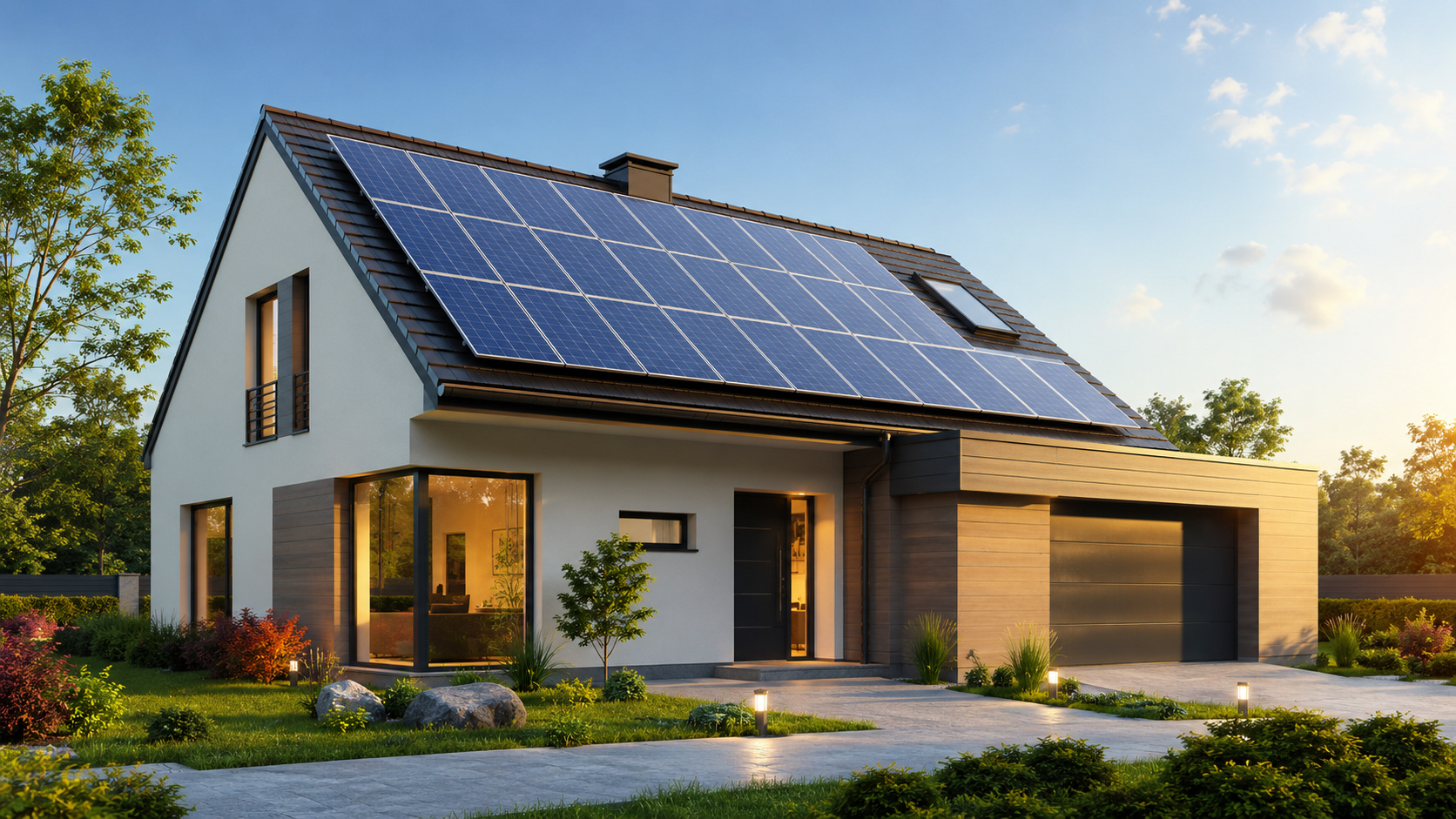
Solar energy can increase property value by up to 10% and become a selling point.
-
Solar and wind energy surpass natural gas for the first time in the world and accelerate energy revolution

-
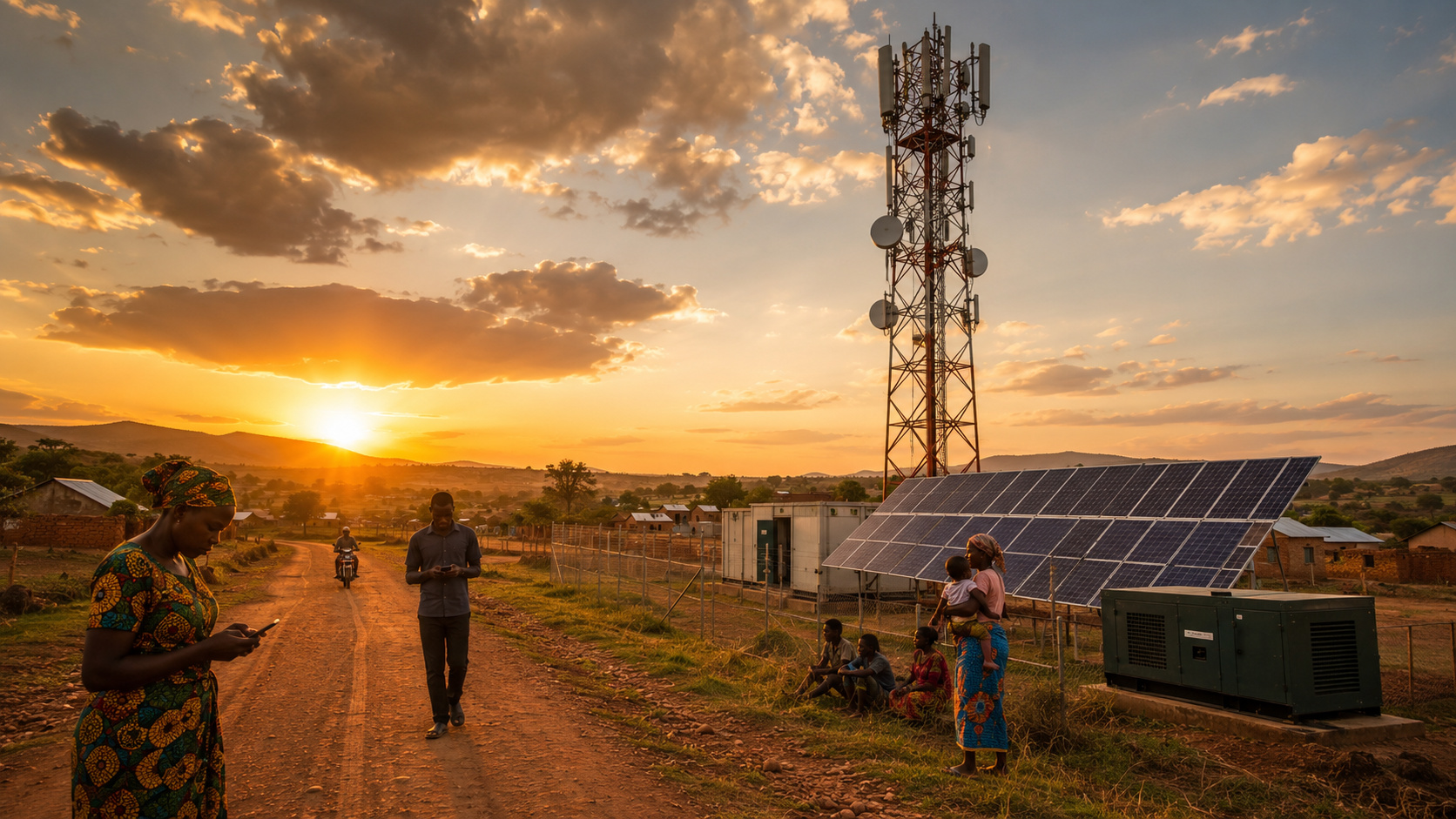
Africa has about 500,000 cell towers and most still burn diesel to operate, while companies rush to cover antennas with solar energy and avoid signal blackouts.
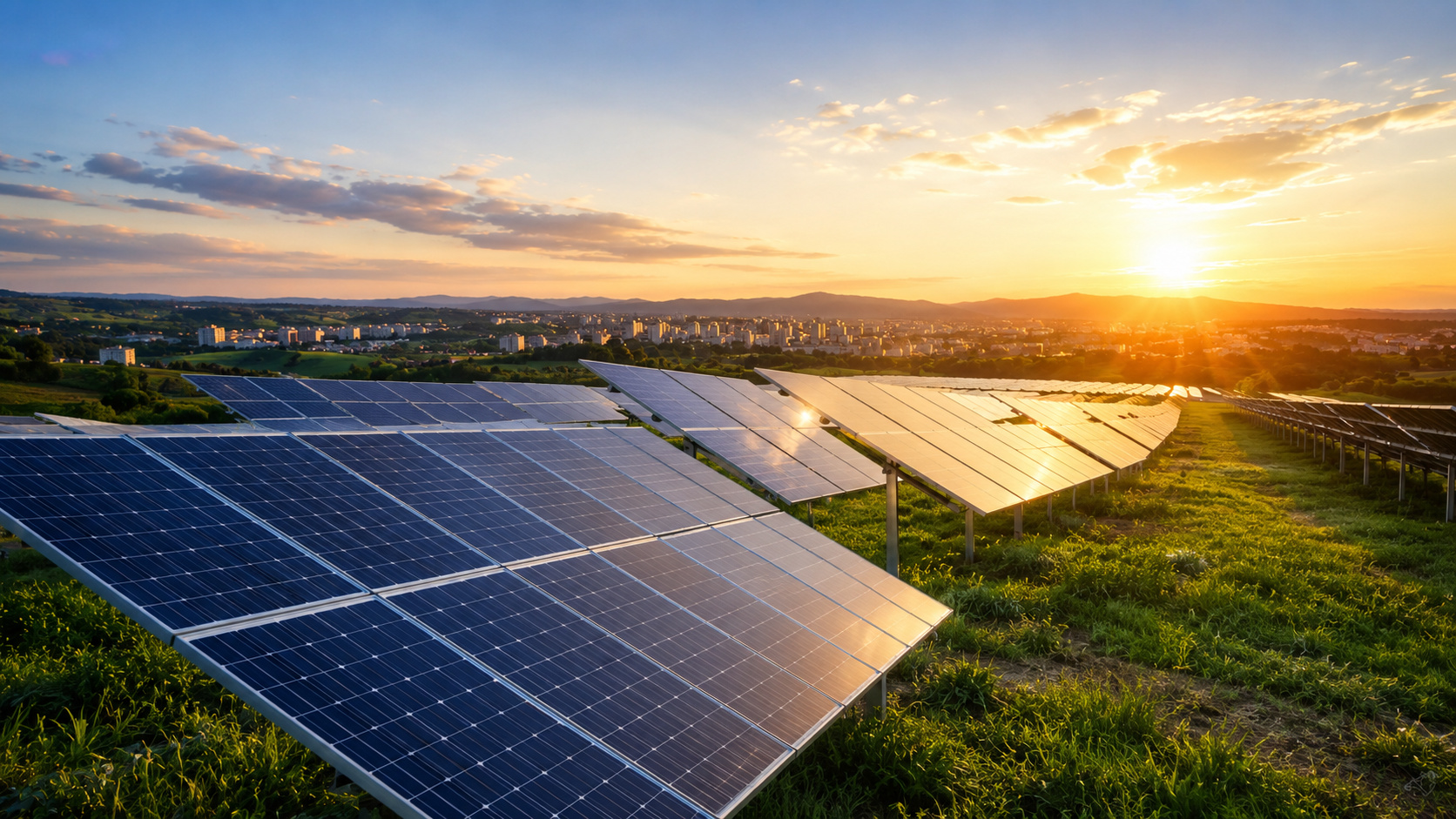

Thus, the popularization of this clean energy source has turned the sector into a strategic component of the Chinese economy, with a direct impact on job creation and technology exports.
Despite this, the rapid pace of growth has highlighted the need for more precise regulatory policies to avoid market imbalances.
Need For Adjustments And Regulations
In recent years, it has become evident that the sector needed adjustments. Therefore, the Ministry of Industry of China intensified meetings and discussions with key industry representatives, emphasizing the importance of reducing excessive production and stabilizing the market.
The Chinese government recognizes that the solar energy sector needs to balance sustainable growth and healthy competitiveness.
If not managed, excess capacity can lead to bankruptcies, unemployment, and distortions in the international market.
The current state of the sector reflects a historic challenge faced by rapidly growing industries: production capacity often exceeds actual market demand.
In 2024, the largest solar energy companies reduced nearly one-third of their workforce due to significant losses in the manufacturing chain, estimated at approximately US$ 40 billion the previous year.
Consequently, the industry needs strategic regulation and policies that encourage sustainability and balance between supply and demand.
At the same time, rapidly applied incentive policies can create market distortions.
Therefore, China needs to learn from past experiences, both national and international, to create measures that promote efficient production and technological innovation without generating excess capacity that jeopardizes the sector’s stability.
Polysilicon And Strategic Challenges
Polysilicon, an essential component in the production of solar panels, is a critical point for the sector’s future.
Major producers have launched ambitious plans to purchase and deactivate about one-third of the existing production capacity.
However, smaller producers and local governments still resist fully adhering to the plan. Thus, the adjustment in the solar energy sector involves economic, political, and strategic issues, with multiple stakeholders and divergent interests.
Additionally, the global context influences the domestic market. China produces approximately twice the number of solar panels than the world consumes annually.
On the other hand, this excess production creates pressure on prices and requires some of the manufacturing capacity to be eliminated to recover profitability.
Analysts indicate that between 20% and 30% of total capacity needs to be reduced, a move that could redefine the country’s industrial landscape in the coming decades.
Another challenge is integrating solar energy into the national power grid. The sector’s rapid growth demands that the transmission and energy storage infrastructure keeps pace with the installation of new panels.
Without this advancement, the energy generated risks being underutilized, causing losses and hindering return on investment. Therefore, modernizing the power grid becomes essential for the sector’s sustainability.
Impacts Of Demand And Price Reforms
Recent price reforms have created fluctuations in domestic demand. Many producers built new solar plants in the first half of the year, before the new policies took effect.
Thus, this behavior led to a drastic decline in demand during the second half, despite expectations that, by the end of 2025, the country could still register a historical record of installations.
These movements reinforce the need for strategic planning and long-term policies for the solar energy sector.
Price volatility also affects the international market. As China dominates global production, any internal adjustments directly impact the costs of importing and exporting solar panels.
Thus, countries relying on Chinese technology need to closely monitor changes in supply and government efforts to reduce excess capacity, ensuring stability in the global solar energy chain.
Furthermore, the growing domestic demand for clean energy, driven by targets for emission reduction and increased energy efficiency, creates opportunities for innovation in storage, panel efficiency, and integration with other renewable energy sources, such as wind and hydropower.
In this sense, these solutions can increase the sector’s resilience and open new markets for Chinese companies.
Clean Energy And Sustainable Development
The sustainable development of the solar energy sector also aligns with global goals of reducing emissions and combating climate change.
Solar energy represents a clean and renewable alternative to fossil fuels, contributing to the diversification of the energy matrix and strengthening energy security.
In this sense, China, by adjusting its production capacity, regulates the domestic market and positively influences the international renewable energy market.
Historical experiences show that sectors that adjusted excessive capacity benefited from smart regulation and strategic planning, ensuring longevity and global competitiveness.
Therefore, for China, the challenge is to balance growth and sustainability, ensuring that the solar energy sector continues to generate jobs, technological innovation, and global leadership.
Moreover, continuous investment in research and development becomes vital. Improvements in solar conversion efficiency, reduced manufacturing costs, and energy storage solutions allow the sector to become more competitive and resilient.
Thus, stricter environmental regulations help minimize negative impacts and ensure that expansion is sustainable in the long term.
Future Scenario And Perspectives
The solar energy sector in China faces a decisive moment. Reducing excess capacity, implementing effective regulations, and promoting healthy competition are essential actions to maintain economic stability and global relevance.
With appropriate policies and cooperation between companies, government, and institutions, the sector can overcome current challenges and consolidate its role as a global leader in clean energy, maintaining a path of sustainable and timeless growth.
Finally, the future of the sector also depends on integration with urbanization and regional development policies.
Cities and regions that adopt solar solutions in energy and infrastructure projects contribute to a more balanced energy matrix and local economic development.
Thus, the solar energy sector not only meets the demand for clean energy but also strengthens socioeconomic development.