






 Portuguese
  Spanish
  2 min of reading
  0 comments



Economic Impact of the Oil and Gas Sector in Brazil
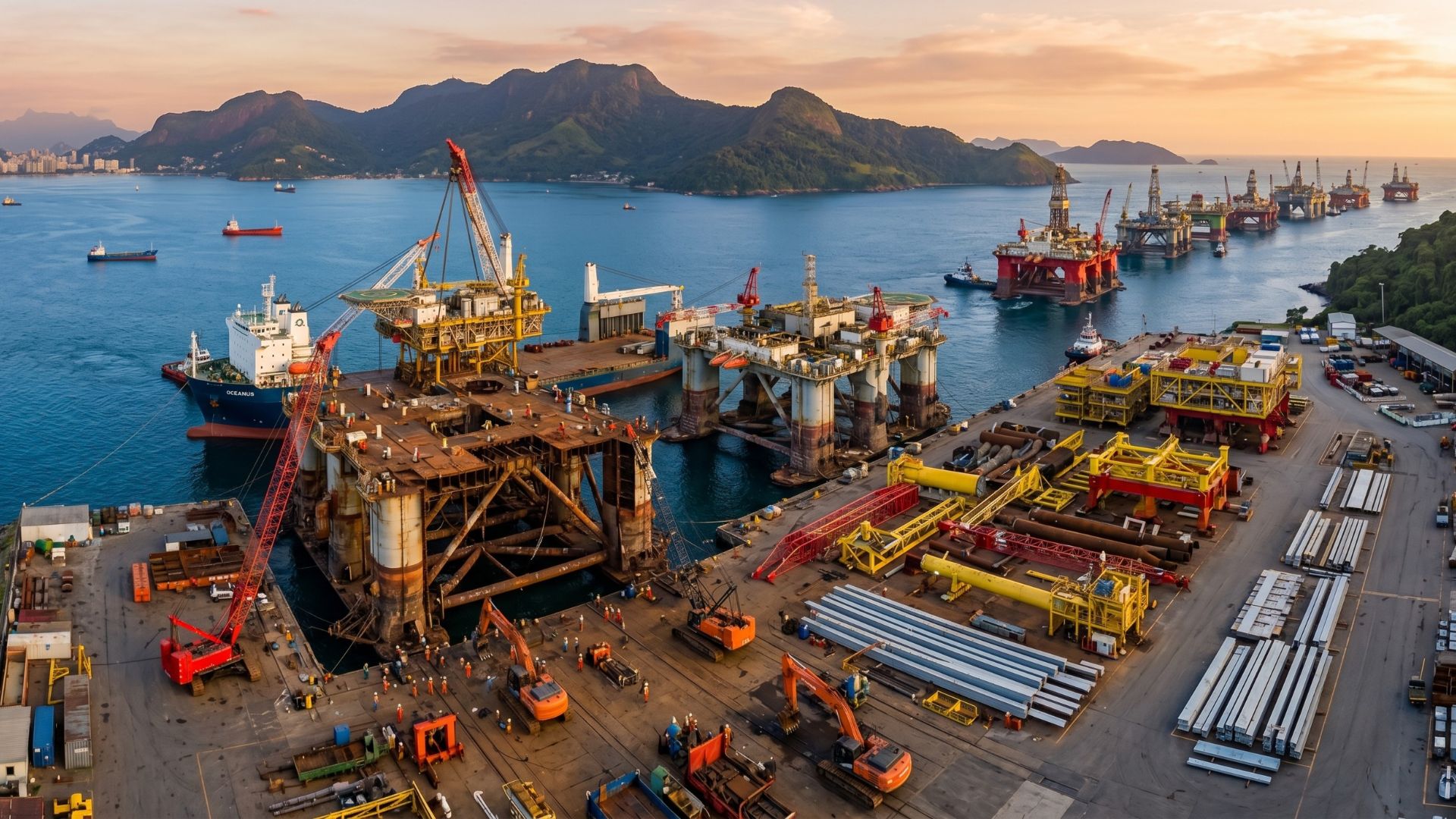
The Oil and Gas (O&G) sector, one of the pillars of the Brazilian economy, faces challenges with the introduction of new taxes. The Brazilian Institute of Oil and Gas (IBP), representing the sector, emphasizes the relevance of the oil industry in generating jobs, income, and significant fiscal contributions through taxes, royalties, and special participations. In 2023, the oil and gas industry in Brazil contributed R$ 92.2 billion in payments, including R$ 53.6 billion in royalties and R$ 38.6 billion in special participation, according to data from ANP. These resources are essential for meeting fiscal targets and developing public policies by the Union, States, and Municipalities.
The sector was responsible for 10% of the country’s industrial GDP in 2020, according to CNI, and exports of oil and derivatives generated a surplus of US$ 80 billion over the past four years. The segment plans to invest US$ 183 billion in exploration and production between 2022 and 2031, sustaining an average of 445 thousand jobs per year.
Challenges with New Tax Burdens
Despite the high tax burden on the sector, around 70%, which already provides significant revenue, Governments have been promoting increases in this burden. The Control, Monitoring, and Inspection Fee for Oil and Gas Exploration and Production Activities (TFPG), approved by the government of the State of Rio de Janeiro in December 2023, and the Selective Tax, introduced in the Tax Reform, pose significant risks for the sector and society.
-
IEA reduces forecast for global oil demand in 2026 after impacts of the Middle East crisis

-
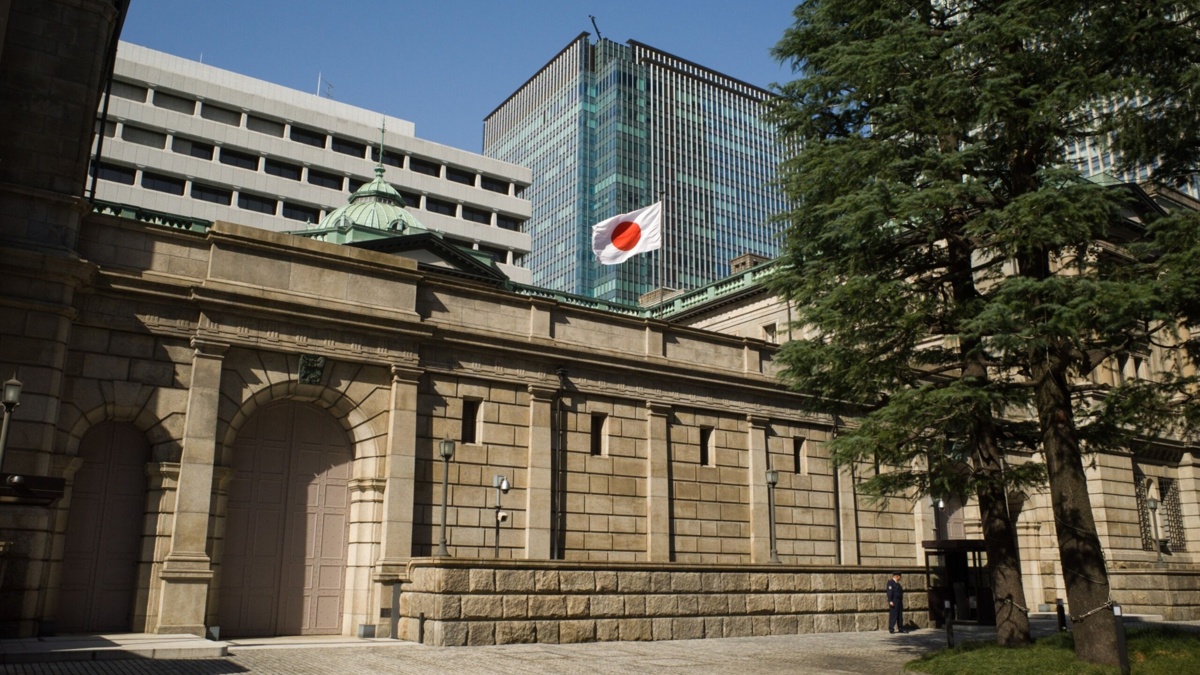
Bank of Japan raises interest rates to 1%, reaching the highest level in over three decades

-
ANP halts LPG reform, and Sindigás sees technical caution as a decisive point for safety, investments, and the future of the cylinder in Brazil.
-
Oil spill in the Caribbean raises environmental alert and increases tension between Venezuela and Trinidad and Tobago




The new charges may negatively impact investment decisions of companies and potential investors, affecting the attractiveness of the oil and gas sector in Brazil. This could undermine the country’s competitiveness compared to other regions of the world vying for investments in oil and gas projects.
Moreover, new taxes on exploration, production, and commercialization activities of oil and gas may affect legal security and the confidence of agents and investors in the Brazilian market, with negative medium- and long-term impacts on the industry.
IBP Vision and the Future of the Sector
The IBP and its associates believe that the sustainable and continuous development of the Brazilian oil and gas industry depends on a business environment that values rule stability, dialogue between public and private agents, and actions that continuously attract investments to the sector. The entity emphasizes the need for balance in tax decisions to ensure the growth and competitiveness of the sector in the global scenario.
Source: Rodrigo Dutra – dutra@fsb.









Be the first to react!