






 Portuguese
  Spanish
 3 min of reading
  0 comments



Multinational Shell Cancels Solar Power Plant Projects in Brasilândia de Minas, Minas Gerais. Projects Would Amount to 150 MW of Installed Capacity.
The energy giant Shell Brasil requested the National Electric Energy Agency (Aneel) to revoke the authorization for the implementation of Solar Plants Aquarii 1 to 3, which would be built in the municipality of Brasilândia de Minas, Minas Gerais.
With a total capacity of 150 megawatts (MW), the projects were canceled due to technical and economic infeasibility for the transmission of the generated energy. The decision reinforces the strategic repositioning of the company, which has been discontinuing its solar and wind projects in Brazil.
Logistical Impasse Made Solar Power Plants Infeasible in Minas Gerais
According to information released by Shell, the main difficulty encountered was the lack of a viable solution for connecting the power plants to the electrical grid.
-
Solar and wind energy surpass natural gas for the first time in the world and accelerate energy revolution

-
Africa has about 500,000 cell towers and most still burn diesel to operate, while companies rush to cover antennas with solar energy and avoid signal blackouts.

-
Farmers swapped diesel for solar panels in Pakistan, powered irrigation pumps almost cost-free, expanded rice fields, and now groundwater has become a red alert in the countryside.
-
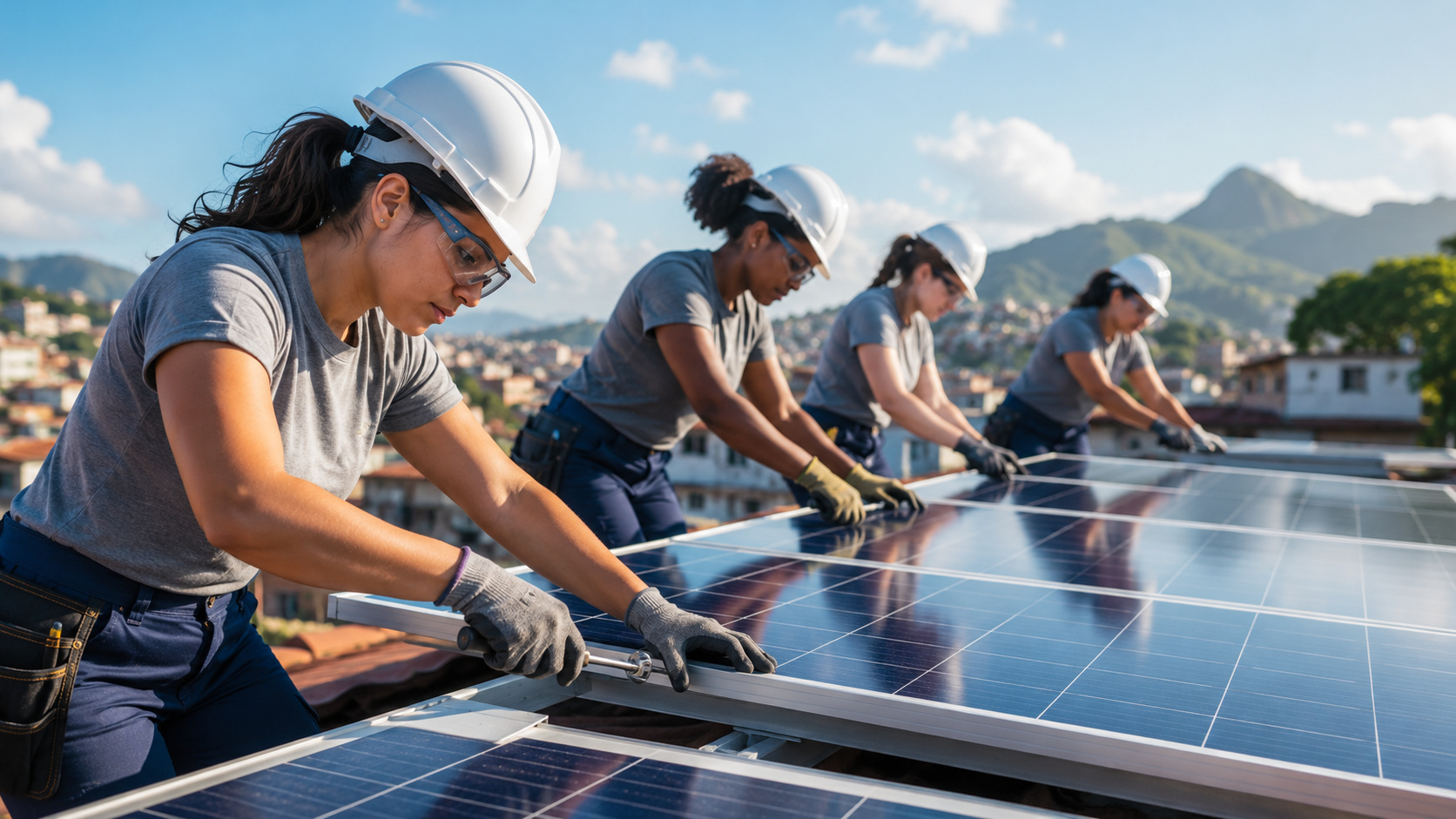
NGO opens slots for free solar energy course exclusively for women in São Gonçalo



The alternative considered most economical by the Electric Energy Company of Minas Gerais (Cemig) involved connecting to the 138 kV Paracatu 04 basic network substation.
However, this option would require the construction of a 115-kilometer transmission line — a cost that Shell deemed prohibitive for the continuation of the project.
The company highlighted that, given these limitations, it chose not to proceed with the solar energy ventures in Minas Gerais, formally requesting the revocation of the grants to Aneel.
Shell’s Strategy Prioritizes Energy Commercialization
In addition to the technical challenges faced in the solar energy projects in Minas Gerais, Shell Brasil has been reviewing its strategy in the renewable energy sector across the country.
According to the company itself, there are currently more advantages in negotiating energy from other generators than maintaining its own generation projects.
Shell Energy Brasil, its trading unit, has concentrated efforts on this business model. This allows for greater flexibility and efficiency in operations, avoiding the high costs of implementing new structures.
Revocations Extend to Projects in Other States
The withdrawal of the Solar Plants Aquarii 1 to 3 was not an isolated case. Shell also requested the revocation of grants for the Gatria Solar 1 to 13 and Gatria Solar 15 projects, which would be installed in Goiás and would amount to 700 MW of installed capacity.
Another canceled project was the Canis 1 to 7 plants, planned for the municipality of São João do Rio do Peixe, in Paraíba, with a total capacity of 315 MW.
Additionally, the company requested in 2024 the transfer of ownership of the grants for the solar plants Draco 1 to 11 to Atlas, a move that is still under analysis by Aneel.
Tax Exemptions and Lack of Contracts Minimized Impact
Since the solar plants in Minas Gerais never began commercial operations, Shell was not penalized with regulatory charges.
The company was exempt from paying the Electric Energy Services Supervision Fee (TFSEE) and from the obligation to invest in research and development (R&D), considering that the source was solar and the projects were still in the planning phase.
With information from MegaWhat






Be the first to react!