Portuguese
  Spanish



Energy Transition as a Strategic Pillar. In recent years, the automotive and energy sectors have undergone profound transformations driven by the global quest for cleaner solutions.
Now, according to an article published by Valor, Shell has taken another decisive step by signing a long-term contract to supply renewable energy to Ferrari until the end of 2034.
The agreement marks a new phase for both companies. While Shell accelerates its expansion in green energy and reinforces its environmental commitment, Ferrari is advancing in the decarbonization of its operations, aligned with global emission reduction goals.
In recent years, both the automotive and fuel sectors have seen decarbonization shift from being a trend to becoming a requirement. Thus, strategic partnerships like this one show that the energy transition is becoming a central element in global competitiveness.
-
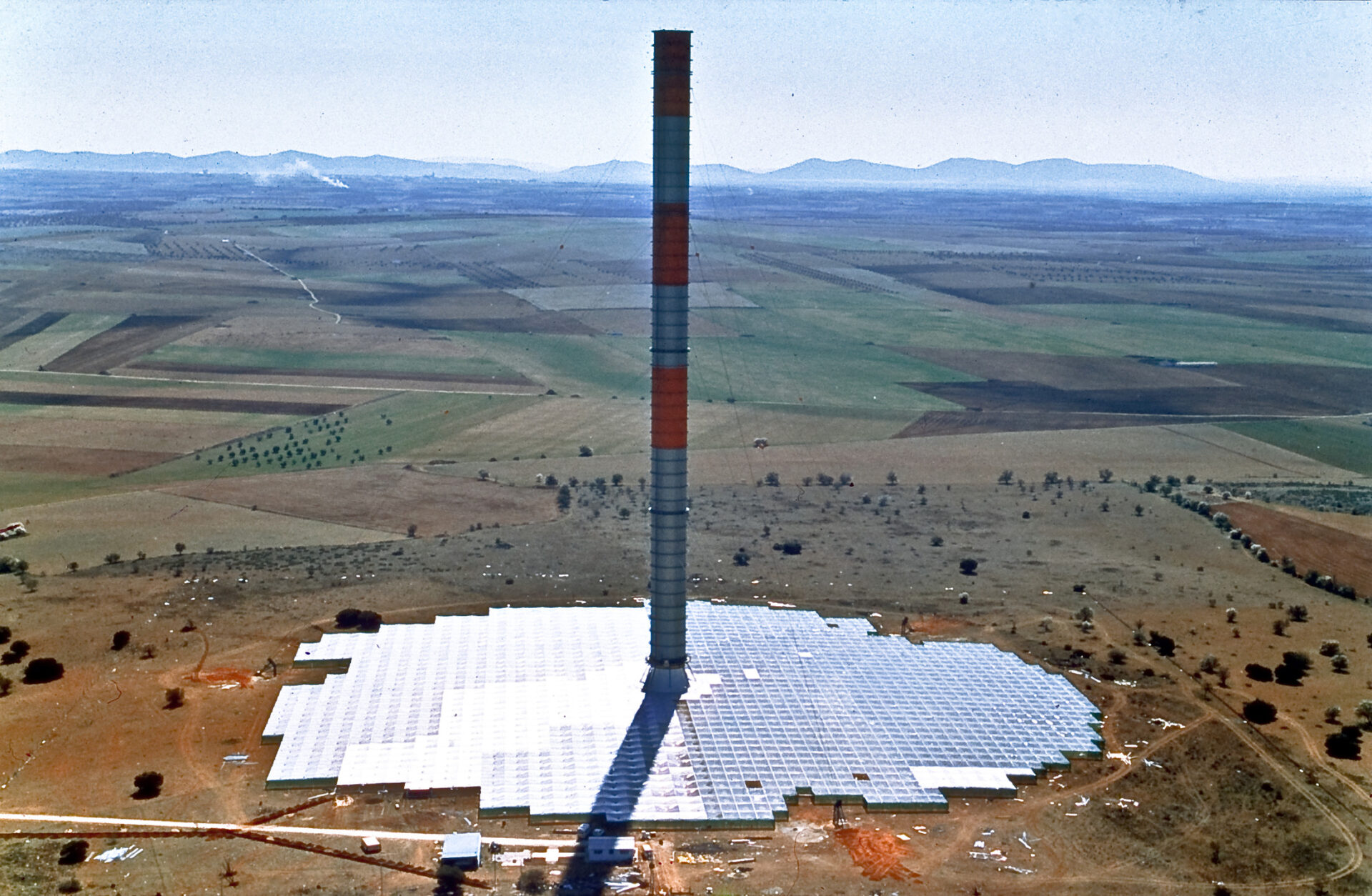
Solar Chimney in Spain Harnessed Sun to Generate Electricity for 7 Years Without Burning Fuel

-
Solar energy reaches 55 GW, becoming the second largest power source in Brazil’s energy mix

-
Solar energy can increase property value by up to 10% and become a selling point.
-
Solar and wind energy surpass natural gas for the first time in the world and accelerate energy revolution




Clean Energy as a Competitive Advantage
Moreover, experts highlight that large-scale renewable supply agreements are becoming essential for companies seeking to operate efficiently and meet international regulatory requirements.
According to data published by Valor, the partnership stipulates that Shell will supply 100% renewable energy to various Ferrari facilities, directly contributing to the automaker’s plans to reduce its carbon footprint in the production and development of vehicles.
Consequently, green energy becomes not only an environmental pillar but also a strategic one. This is because consumers, investors, and governments are pressing for real emission reductions and for operations aligned with global climate goals.
The Energy Transition in the Automotive Sector
The movement of the two companies reinforces a broader scenario. Globally, traditional automakers are revising structures, supply chains, and industrial processes to reduce environmental impacts.
Additionally, stricter European policies require prestigious brands, such as Ferrari, to accelerate the adoption of clean energy and lower-impact technologies.
Thus, the contract with Shell becomes a strategic piece to reconcile performance, innovation, and sustainability.
Still, experts emphasize that the journey toward climate neutrality requires time and robust investments. For this reason, companies are entering into long-term contracts to ensure energy predictability and cost stability.
Shell Expands Its Presence in the Renewable Energy Market
Although Shell is globally recognized as an oil giant, its involvement in clean energy has grown rapidly over the past decade.
According to Valor, the partnership with Ferrari is part of a broader portfolio of the company’s investments in renewable alternatives, expanding its presence in solar, wind, and green hydrogen energy.
Furthermore, industry sources state that long-term agreements provide greater security for new infrastructure projects, allowing Shell to plan expansions and reduce operational risks.
Expected Impacts by 2034
Therefore, the contract between Shell and Ferrari is considered a landmark in the industrial transition. Among the main expected effects are:
- Significant reduction of the carbon footprint in Ferrari’s operations;
- Encouragement for the development of new renewable sources by Shell;
- Increased international competitiveness for companies committed to sustainability;
- Improvement of corporate emission targets by the beginning of the next decade.
Additionally, when large companies make solid and public commitments, they influence entire supply chains. In this way, suppliers, partners, and investors are pressured to keep up with the evolution.


An Agreement That Symbolizes the Future of Energy
Although there is still a long way to go for global industries to achieve climate neutrality, contracts like this reveal that the market is changing structurally.
Ferrari seeks to preserve its tradition of performance combined with modern and sustainable practices.
Shell, in turn, reinforces that its strategy for the coming years inevitably involves the expansion of green energy.
Consequently, the partnership sets a new standard for the sector and shows that the combination of high technology and sustainability will be the foundation of competitiveness until – and beyond – 2034.