Portuguese
  Spanish


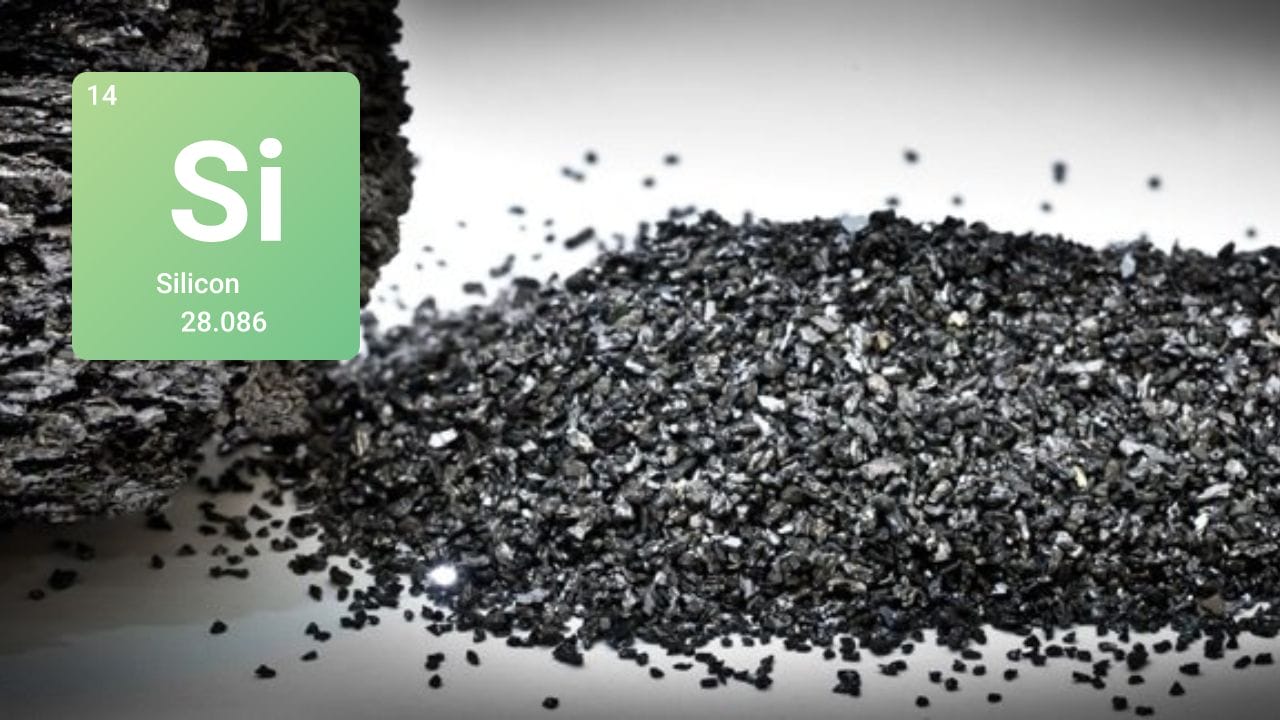

Fundamental In The Periodic Table, Silicon Is A Key Component For The Microprocessor Industry, Playing A Crucial Role In The Evolution Of Digital Technology.
Silicon, positioned critically in the periodic table, is indispensable for the microprocessor industry. This element, widely available and known as “digital gold“, is the foundation of many technologies that define the current era.
Silicon has the ability to form strong bonds with other atoms, resulting in complex structures. This characteristic is widely used in various applications, including the manufacturing of Portland cement, hardened ceramics, and the production of most types of glass. However, it is in the semiconductor industry that silicon truly stands out, enabling the control of electrical currents in devices such as transistors.
Silicon In The Semiconductor Industry
Silicon semiconductors are produced from silica sand, a process that involves the removal of oxygen and the combination with carbon. These semiconductors are essential in the manufacturing of MOSFET transistors, which are ideal components for processing chips due to their energy efficiency, high-frequency switching capability, and low electromagnetic interference. The natural insulating properties of silicon are also advantageous, allowing engineers to add impurities like boron or phosphorus to alter its conductive properties.
-
Scientists Develop Method to Store Wind and Solar Energy by Liquefying Air for On-Demand Power Generation

-
Brazilian Engineer Who Grew Up Without Electricity Develops Software, Expands AltoQi to 67,000 Clients, Aiming for $21 Million by Digitizing Brazil’s Construction Industry

-
Spain Launches World’s Largest Floating Dry Dock: 56-Meter Giant Produces Massive Concrete Structures in A Coruña Using Technology Proven in Brazil

-
AI-powered toys that talk, recognize faces, and collect data face scrutiny from Brazilian government over children’s privacy concerns





Impact And Technological Advances Due To Silicon
Since the introduction of the first commercial silicon transistor in 1954, the tech world has relied heavily on silicon. This material has enabled the miniaturization of transistors and previously unimaginable technological advancements. In 2021, the total surface area of silicon wafers produced worldwide was 9.14 square kilometers, highlighting the magnitude of the semiconductor industry. Currently, China is the largest producer of silicon in the world, followed by Russia.
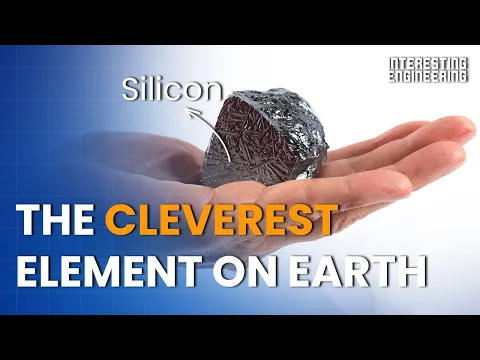

Silicon In Solar Energy And Manufacturing Of Photovoltaic Cells
In the solar energy industry, silicon plays a crucial role as the primary material used in the manufacturing of photovoltaic cells, the key components of solar panels. This application of silicon is essential for the advancement of renewable energy technologies and for the fight against climate change. Let’s explore more about how silicon is used in solar energy and why it is so important:
Silicon Is Used To Create Photovoltaic Cells, which are responsible for converting sunlight into electricity. The efficiency of solar cells largely depends on the purity of the silicon used. The silicon used in solar panels is often of the “solar grade silicon”, which is less pure than the silicon used in semiconductors, but still highly efficient.
There are mainly two types of silicon cells used in solar panels: monocrystalline and polycrystalline. Monocrystalline Cells: Made from a single crystal of silicon, they are more efficient and more expensive. They have a uniform color and a smoother appearance. Polycrystalline Cells: Made from melted silicon fragments, they are less efficient but cheaper. They exhibit a bluish color and a “mosaic” pattern.
Advantages Of Silicon In Solar Panels
Silicon Is Abundant And Relatively Cheap, making it an ideal material for the mass production of solar panels. Silicon solar panels are known for their durability and can generate electricity efficiently for many years, typically with warranties of over 20 years. Although there are materials with higher efficiencies, silicon offers an ideal balance between efficiency, cost, and reliability.
Despite its importance in technology, the COVID-19 pandemic highlighted the risks of excessive dependence on silicon, evidenced by the global chip shortage. Researchers are exploring alternatives to silicon to reduce this dependency and foster new technological innovations.
Silicon, a crucial element in the periodic table and the tech industry, is fundamental to human progress. Its application in semiconductors has been essential for technological advancement, enabling significant innovations in computing, communications, and other areas. While the future may require the exploration of new materials, silicon will continue to be one of the most impactful and essential elements on Earth.